
Dubai is set to welcome driverless taxis on its roads, with the first vehicles expected to arrive by the end of 2025. The emirate has ambitious plans to make 25% of all public transport journeys autonomous by 2030, aiming to enhance road safety and improve productivity.
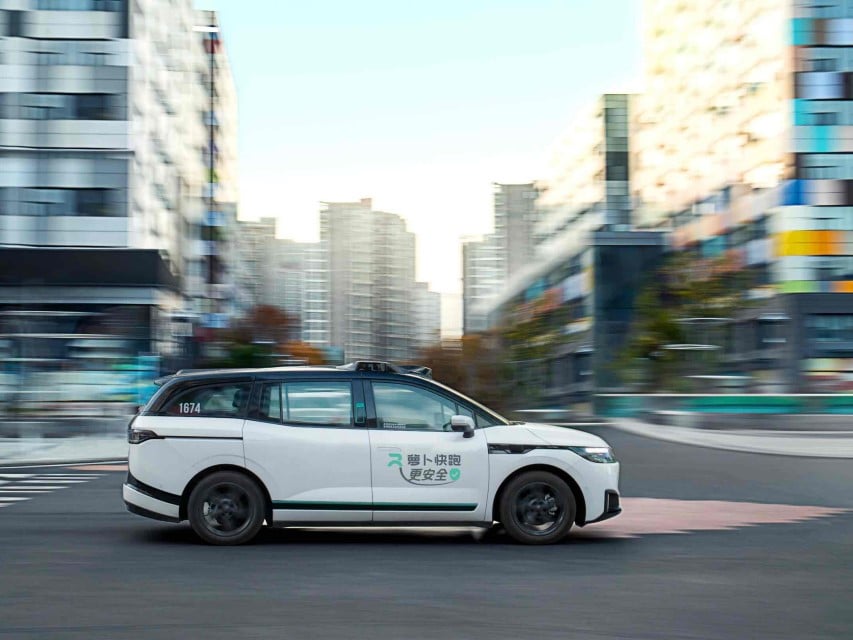
The initial phase of this project will see more than 60 vehicles deployed for road mapping, data collection, and route scanning. This preparation is crucial to ensure the driverless taxis are familiar with Dubai’s road network, similar to the training required for traditional taxi drivers in London. After this mapping phase, pilot operations will take place in up to 65 designated zones across the emirate, with a strong emphasis on meeting the high safety standards set by the Roads and Transport Authority (RTA).
To facilitate the launch of self-driving taxis, the RTA has partnered with three prominent international companies specializing in autonomous operations. American ride-hailing company Uber and Chinese firm WeRide are collaborating to provide vehicles in Dubai, while another Chinese company, Baidu, is set to introduce driverless taxis as well. Baidu plans to introduce 50 self-driving cabs by the end of 2025, with a goal of deploying 1 000 such vehicles within the next three years. Baidu’s Apollo Go service has already achieved over 150 million kilometers of safe autonomous driving across ten cities in China.
The official rollout of driverless taxis is anticipated as early as the first quarter of 2026. During the pilot phase, the latest generation of driverless taxis, the RT6, will operate in Dubai, equipped with 40 sensors to ensure high standards of safety and automation.
While the specific operating locations for the driverless taxis have not yet been confirmed, the initial pilot phase will occur in designated zones. By 2027, the aim is to have 1 000 self-driving taxis available, which may be fewer than traditional cabs.

This initiative is part of the UAE government’s Dubai Autonomous Transportation Strategy, which aims to reduce traffic accidents by 12% and increase productivity by 13%. The strategy is projected to generate Dhs22 billion in revenue through reduced transportation costs and enhanced efficiency, including an estimated Dhs900 million in savings and Dhs1.5 billion in lower environmental pollution.
Leave a Reply