
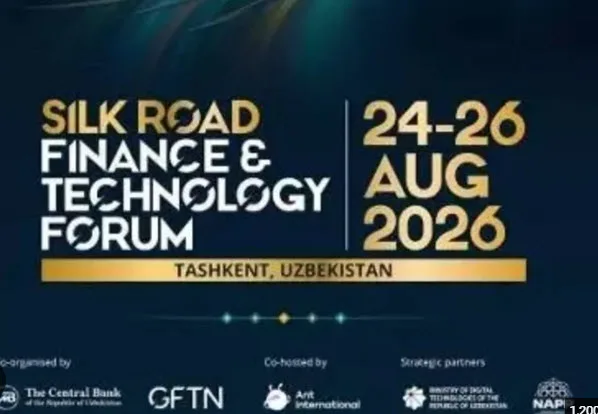
Tashkent is positioning itself as a potential leader in the Islamic fintech landscape, aiming to become Central Asia’s key financial technology hub. This ambition was unveiled during the recently concluded Silk Road Finance & Technology Forum, where Uzbekistan outlined its strategic vision to link the burgeoning fintech domain with the expansive $6 trillion global Islamic finance market.
This initiative from Tashkent comes at a time when the Islamic finance sector is experiencing rapid growth, particularly in the Gulf region where cities like Dubai and Riyadh have emerged as major players. It raises the question of whether Tashkent can genuinely carve out a space for itself or if it is merely another city aspiring to be a financial center in an already competitive financial environment.
The geographical proximity of Tashkent to major markets in Asia and the Middle East offers logistical advantages. The city has strategic access to promising markets in both Central Asia and beyond, making it an attractive location for investors and technology innovators. Additionally, the Uzbekistan government has pledged support for fintech development, ensuring a conducive regulatory framework to attract businesses.
By targeting the Islamic finance segment specifically, Tashkent could potentially leverage the lucrative market of Sharia-compliant finance products that are gaining traction worldwide. This is particularly significant as numerous investors seek ethical investment avenues, making Islamic finance an attractive option. Establishing Tashkent as a gateway could thus offer a unique value proposition that sets it apart from traditional financial hubs.
However, challenges persist. Cities like Dubai, with its advanced financial infrastructure and global recognition, and Riyadh, which is undergoing significant economic transformation, have a seasoned advantage. These established centers not only have substantial funding access but also a considerable network of financial institutions and technology firms, making it difficult for newcomers to infiltrate.
For investors and firms, the rise of Tashkent as a contender in the fintech arena could mean new opportunities, albeit with a degree of risk involved. As Tashkent pushes forward with its ambitions, establishing partnerships with existing players in the Islamic finance sector will be crucial. The successful integration of local fintech startups within the global Islamic finance network could yield fruitful results in the long term.
In conclusion, while Tashkent’s aspirations to become a key player in the Islamic fintech market are commendable, the path forward will require substantial investment, strategic partnerships, and an unwavering commitment to innovation. As the landscape continues to evolve, the effectiveness of Tashkent’s strategy will be tested against the formidable competition from established financial hubs in the region.
Leave a Reply