
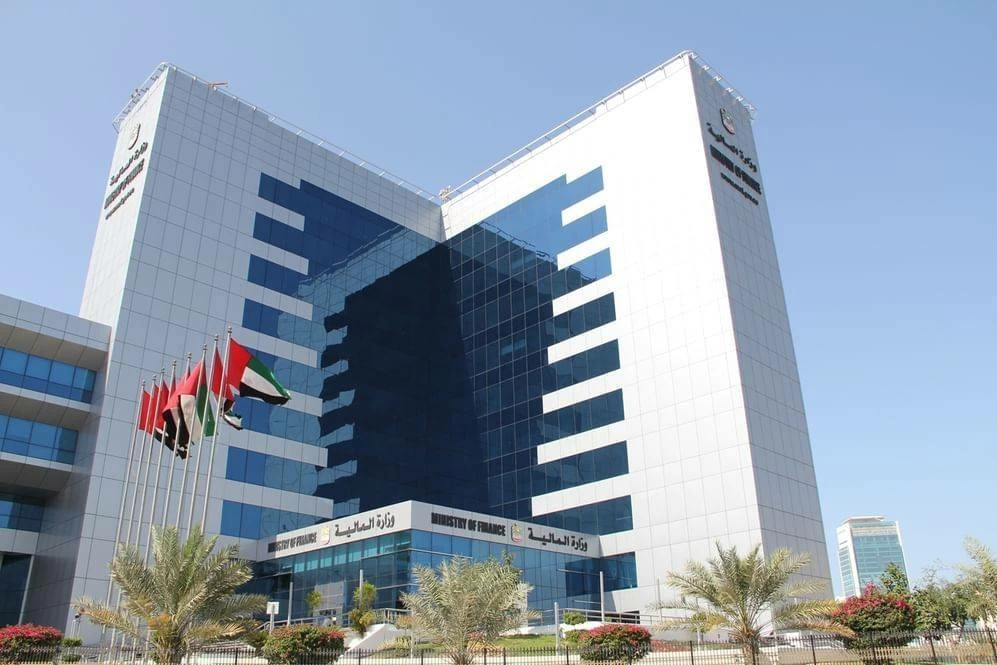
The Ministry of Finance in the United Arab Emirates has announced new regulations requiring multinational companies operating within the country to submit a Pillar Two Information Return, as outlined in Ministerial Resolution No. (133) of 2026. This move is a significant step in enforcing a top-up tax on multinational enterprises in alignment with the OECD/G20 Global Anti-Base Erosion (GloBE) Rules, commonly referred to as Pillar Two. Set to take effect for financial years beginning on or after January 1, 2025, these regulations underscore the UAE’s commitment to tax transparency and enhanced compliance standards for international businesses.
Under the new regulations, the entities obligated to file the Pillar Two Information Return include all constituent entities based in the UAE, barring investment entities, along with joint ventures and their subsidiaries. Additionally, any stateless constituent entities recognized as reverse hybrid entities under local laws must also comply. This broad scope indicates the UAE’s intent to capture a wide range of multinational operations, ensuring that all pertinent enterprises adhere to the new tax law.
The regulations allow various parties to submit the Pillar Two Information Return, such as the constituent entity itself, a joint venture or subsidiary, or a designated local representative acting on their behalf. This flexibility is designed to simplify compliance processes for multinational groups and align reporting obligations with international tax norms established by the OECD and G20. By setting these clear guidelines, the UAE aims to foster an environment of tax accountability and build investor confidence.
As the UAE continues to align its tax framework with global standards, this initiative represents a significant shift in its approach to taxation for multinational corporations. The implementation of the global minimum tax signifies a response to increasing international pressure to curb tax avoidance tactics employed by large companies. Countries worldwide, including EU nations and the US, have been adopting similar measures to ensure that multinational enterprises contribute fairly to the economies in which they operate. This positions the UAE as both a competitive and compliant player in the global market.
For investors and businesses operating in the region, these changes may bring about a recalibration of tax planning strategies. The new reporting obligations will require firms to maintain robust documentation and compliance systems to avoid potential penalties for non-compliance. Furthermore, presenting clear tax structures and obligations can enhance the attractiveness of the UAE as a base for operations, provided companies can navigate the complexities of the new regulations.
As the enforcement date approaches, it will be crucial for businesses to stay informed about the evolving landscape of tax regulations in the UAE and the broader Gulf region. The Ministry of Finance’s efforts to refine its tax policies should encourage multinational companies to engage proactively with compliance processes and perhaps even reconsider how they structure their operations in the UAE. The growing alignment with international tax frameworks signifies a commitment to maintaining the UAE’s position as a leading global business hub.
Leave a Reply