
The Comprehensive Economic Partnership Agreement (CEPA) between the UAE and India has significantly boosted bilateral trade, which has nearly doubled since the agreement came into effect in 2022. The UAE is now the third-largest trading partner for India, following the US and China, and is responsible for 3 percent of India’s total foreign direct investment (FDI). In contrast, India has invested $15 billion in the UAE, representing 5 percent of its overseas direct investment, as reported by India’s Press Information Bureau.
Recently, Abu Dhabi’s International Holding Company (IHC) and a US institutional investor acquired a 6 percent minority stake in Indian snack maker Haldiram’s, valuing the company at $10 billion. This investment further solidifies the UAE’s position as a key foreign investor in India.
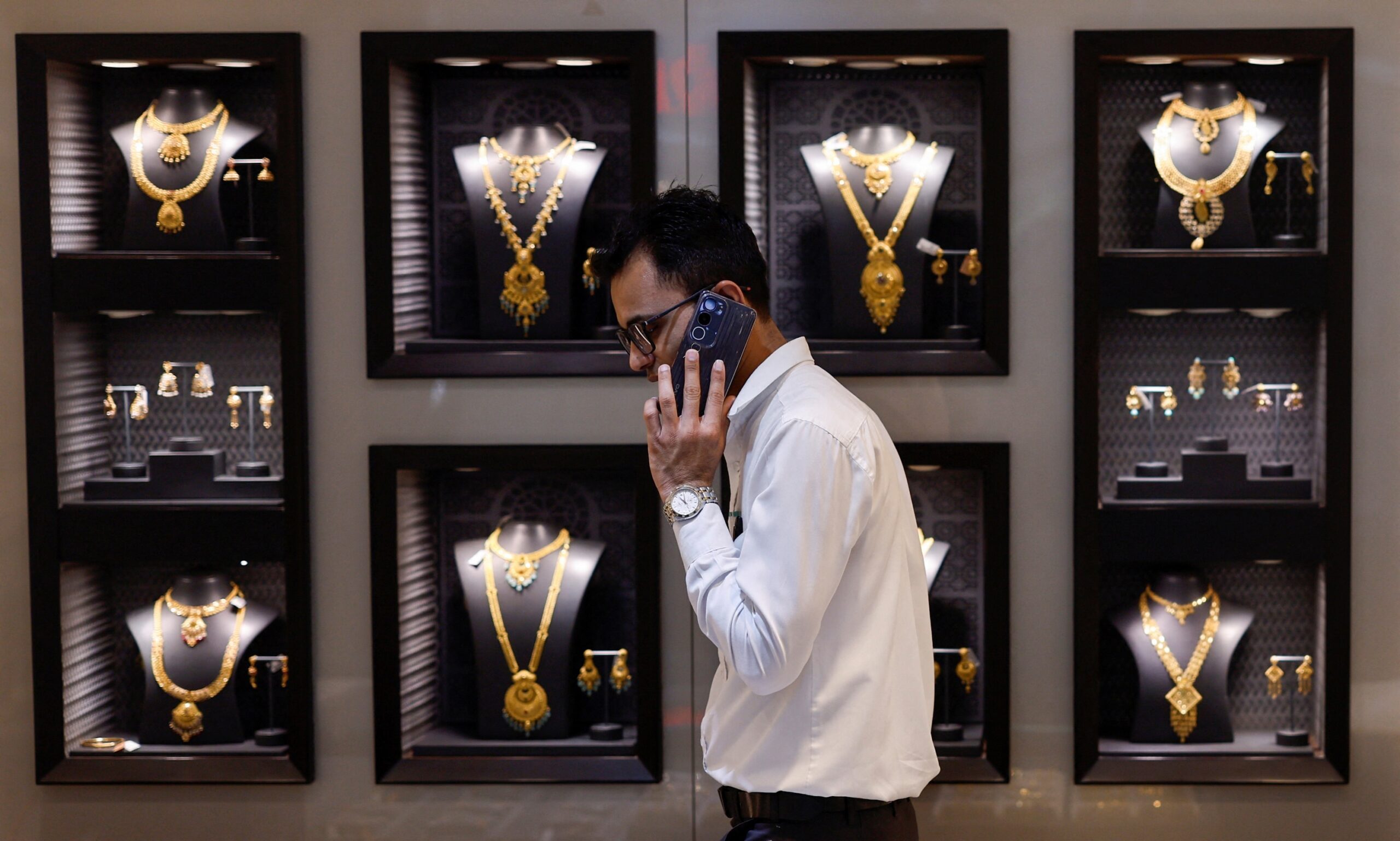
Despite these developments, there have been rising concerns regarding compliance with the rules of origin (ROO) under the CEPA, particularly related to the import of precious metals. Reports indicated a dramatic increase in India’s imports of gold, silver, and platinum from the UAE, with silver imports alone soaring from $29 million in 2023 to $1.7 billion in 2024. In response, India requested the UAE to verify adherence to the ROO requirements stipulated in the CEPA.
Analysts view this increase in imports as a necessary adjustment rather than a fundamental issue with the CEPA. The concerns primarily arise from tariff concessions: a 1 percent duty on gold and 7 percent on silver, contingent on at least 3 percent value addition occurring in the UAE. Pramod Mohan, co-founder and director of FinMet Group, noted that the complexities of such agreements often require ongoing negotiations.
Initially, Indian importers had to provide a Certificate of Origin to demonstrate that silver refined in the UAE met the value addition requirement. However, after India reduced the import duty on silver from 15 percent to 6 percent in July 2024, imports under the CEPA became less competitive, leading to a complete halt in such imports. Mohan explained that this change effectively eliminated the tariff advantage previously enjoyed by silver imports under the CEPA.
The surge in gold imports is attributed to advancements in trading technology and domestic initiatives in India. The UAE’s status as a major gold trading hub, coupled with its lower tax rates and relaxed regulations, has attracted gold traders and refiners. A Dubai-based bullion analyst highlighted that gold bars certified under UAE Good Delivery (GD) standards carry a 5 percent duty under the CEPA, compared to a 6 percent normal import duty, creating a slight cost advantage.
Additionally, the introduction of the India International Bullion Exchange (IIBX) in July 2022 has streamlined access to UAE-certified gold bars for Indian jewelers. Over the past year, nearly 100 tonnes of these bars have been traded on the IIBX, indicating a shift in trading dynamics rather than an exploitation of CEPA provisions.
Experts agree that despite initial concerns, the CEPA has been transformative for economic relations between the UAE and India. Vijay Valecha, chief investment officer at Dubai-based Century Financial, stated that both governments are actively working to address issues related to ROO compliance and value addition requirements through high-level discussions.

He further noted that the CEPA is set to expand into eight additional sectors, including artificial intelligence and financial services, with an ambitious goal of reaching $100 billion in annual trade. Projects like the Bharat Mart in Dubai, designed as a one-window facility for Indian manufacturers, are expected to enhance exports and strengthen economic ties between the two nations.
Leave a Reply