
The electric vehicle (EV) market in the Middle East was valued at approximately USD 2.8 billion in 2024 and is projected to reach USD 10.9 billion by 2032. This significant growth underscores the strong potential for EVs in the region, propelled by proactive government policies and a growing awareness of environmental issues.
In the UAE, it is anticipated that by 2030, EVs will represent over 15% of new passenger car and light commercial vehicle sales, equating to around 58 000 vehicles. By 2035, this figure could increase to about 110 500 vehicles. In 2024 alone, the UAE’s EV market generated USD 2.2 billion in revenue and is expected to grow at a compound annual growth rate of 24.2% from 2022 to 2028.
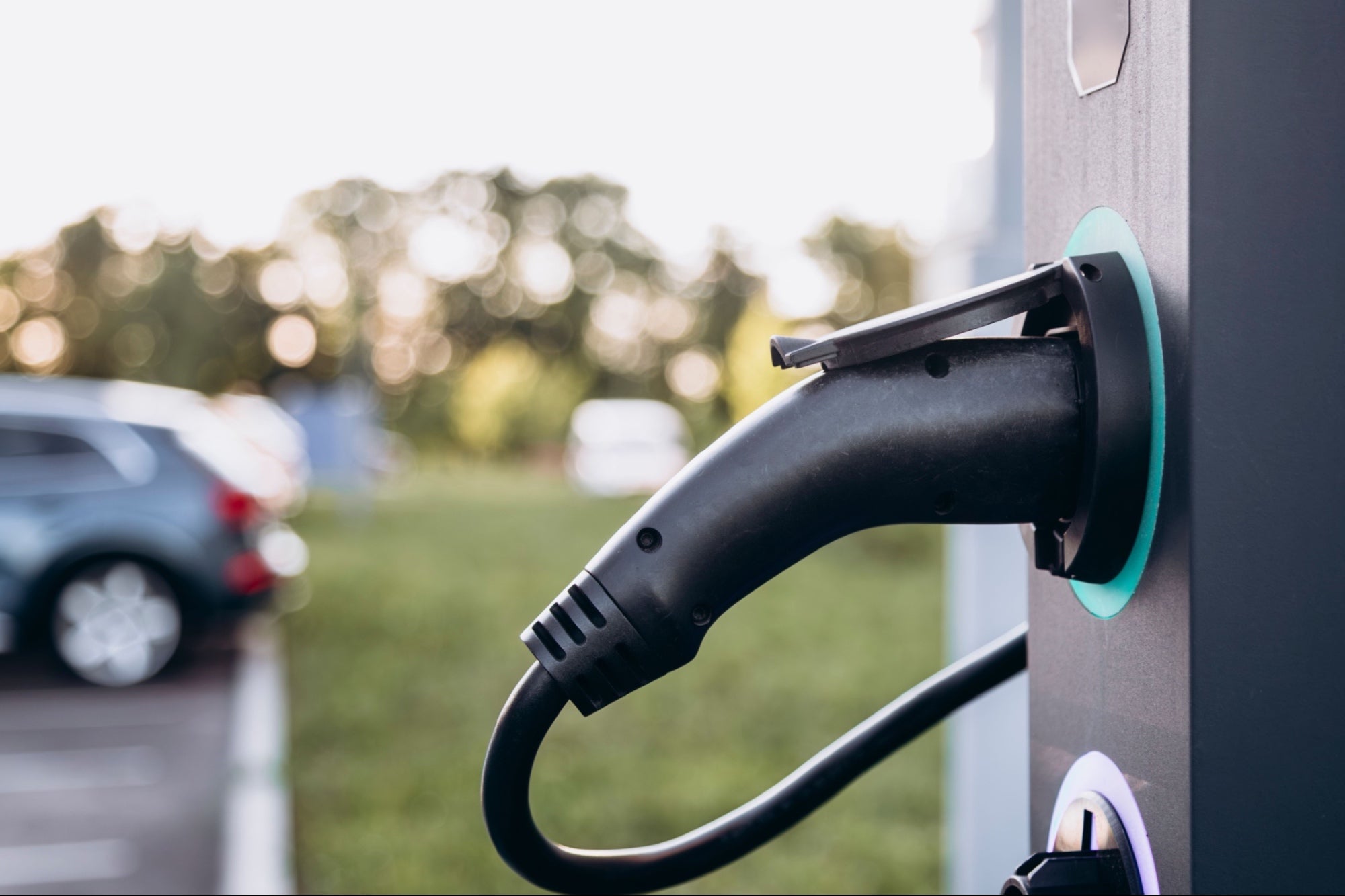
However, this momentum relies on a solid foundation of infrastructure, policies, and public understanding. Without these critical elements, the push toward electrification could falter. A common misconception in the UAE is the supposed lack of charging stations; in fact, the country is actively enhancing its EV infrastructure. As of the end of 2023, there were approximately 950 charging stations with 2 470 charge points, although projections suggest that up to 70,000 charge points may be necessary by 2030 to meet demand.
Government initiatives have been vital in fostering an environment where consumers increasingly view EVs as a viable option. Yet, public perception remains a challenge. Many drivers still believe that EV batteries require replacement every five years, a myth that needs to be dispelled. Addressing these knowledge gaps is just as crucial as expanding the charging infrastructure.
The 2023 Global Electric Mobility Readiness Index ranks the UAE 7th globally, reflecting its significant readiness in areas such as infrastructure, policy, and market development. To overcome existing hurdles, lessons from more established EV markets can be adapted to suit the Gulf region. A key insight is that success in retail involves not just sales, but also education and advocacy.
Europe’s decade-long journey in EV development can serve as a model for the Gulf, focusing on several priorities: establishing a unified charging plug and roaming protocol, enhancing charger density in urban areas before expanding to highway networks, and electrifying corporate and government fleets to create a strong resale market.
Achieving this level of acceleration requires collaboration among vehicle manufacturers, energy providers, tech platforms, and regulators. Essentially, the adoption of EVs is a collective effort, and the region is uniquely positioned to lead due to its existing infrastructure, influential players, and ambitious goals.
Looking ahead, sustaining this momentum will necessitate clear leadership and purpose. While technology can quickly address issues, policy and consensus-building must keep pace. The translation of international best practices into localized actions is crucial, and every stakeholder—from regulators and planners to educators and drivers—must take ownership of this journey.

The next three years are pivotal for the UAE’s EV landscape. It is essential to form bold partnerships, invest ahead of demand, and recognize that effective leadership today is about guiding the entire ecosystem toward a sustainable future.
Leave a Reply