
The United Arab Emirates has announced a significant commitment of US$40 billion to invest in Italy across various strategic sectors. This announcement occurred during an official visit aimed at enhancing bilateral relations and outlining future cooperation between the two nations.
The investment will support a wide range of initiatives, including those in the economy, defense, energy, space, and cultural heritage promotion. Other areas of mutual interest include connectivity, advanced technologies, artificial intelligence, water solutions, ICT, small and medium enterprises (SMEs), startups, agriculture, civil aviation, education, culture, healthcare, and infrastructure.
Tourism and luxury are highlighted as the primary drivers of the Italian economy. In 2023, the travel and tourism sector generated €215 billion, accounting for 10.5% of Italy’s GDP, with further growth expected in 2024. Italy is also recognized globally for its luxury market, featuring iconic brands such as Ferrari and Salvatore Ferragamo.
In 2024, Italy set a record by welcoming 65 million international visitors, with the luxury tourism segment alone generating €9 billion in direct spending. This contributed to 12.8 million overnight stays and 4.5 million arrivals. By 2025, luxury tourism is projected to see 4.6 million arrivals and over 12.9 million overnight stays.
Italy attracts high-net-worth individuals (HNWIs) seeking exclusive real estate and second homes, thanks to favorable tax policies, transparent markets, cultural richness, safety, and a premium lifestyle. The UAE, already a significant player in luxury real estate, hospitality, and high-end retail, is now positioned to expand its influence in Europe through strategic infrastructure and high-end development projects.
Establishing a long-term presence in the Mediterranean could enhance engagement with the European Union. Strong economic partnerships with countries like Italy may play a crucial role in advancing broader trade and investment frameworks between the UAE and the EU.
This strategic alignment is more than just economic; it also aims to enhance cultural ties, lead the luxury market in Europe, and support sustainability and heritage efforts, reinforcing the UAE’s role as a visionary global investor.
Italy is recognized as a cultural superpower with significant investment potential. While it may lack a financial capital like London, its rich heritage and lifestyle appeal provide a unique edge that is hard to replicate. Cities such as Rome, Florence, and Milan are famous for their art, design, and architectural beauty.
The demand for immersive luxury experiences has fueled the success of projects like Hotel Romeo Roma, designed by Zaha Hadid Architects within the historic Palazzo Capponi, where room rates start at €2 600 per night. Moreover, Italy’s 5-star hotel segment is projected to grow from 682 properties in 2024 to 712 in 2025.
In addition to urban areas, rural Italy, particularly regions like Umbria, offers tranquil landscapes ideal for wellness tourism and high-end living. These locations have gained popularity among HNWIs, especially post-pandemic, as remote working becomes more prevalent.
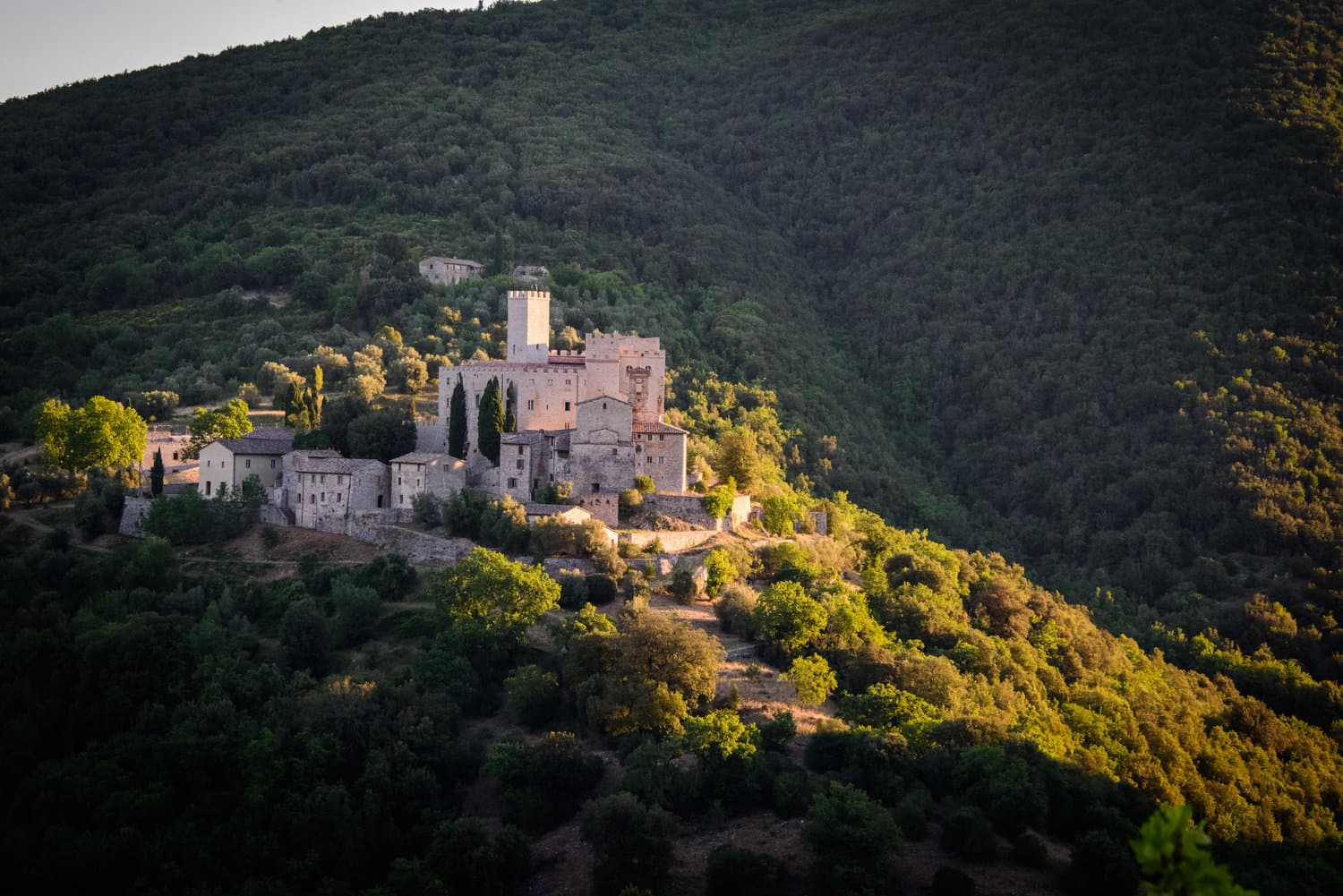
A notable project is the Antognolla Resort and Residences, situated on a 560-hectare estate. Upon completion, it will feature a restored 12th-century castle, luxury residences, a high-end hotel, a wellness center, and an award-winning golf course. The development adheres to LEED principles, emphasizing high-end living alongside environmental responsibility.
This model of sustainable luxury rural development is increasingly appealing to international investors. The UAE, which is enhancing its leadership in sustainable architecture and infrastructure, is well-positioned to support and expand similar ventures throughout Europe.
Growing interest from globally mobile wealth supports this trend. In 2024, 134 000 HNWIs relocated globally, with significant inflows to the UAE, USA, and Italy. By 2025, this number is expected to rise to 142 000.
Italy’s allure is not only in its quality of life but also in its attractive fiscal framework. The country features a flat tax regime and favorable visa options, including investor, digital nomad, and passive income visas, making it the third most diverse destination for foreign property ownership worldwide.
The demand for Italian luxury real estate is anticipated to increase, driven by a combination of lifestyle choices and economic factors. While other sectors, such as automotive and AI, present substantial opportunities, allocating a portion of the UAE’s US$40 billion investment into high-end infrastructure and real estate could provide enduring returns, both financially and strategically.
Leave a Reply