
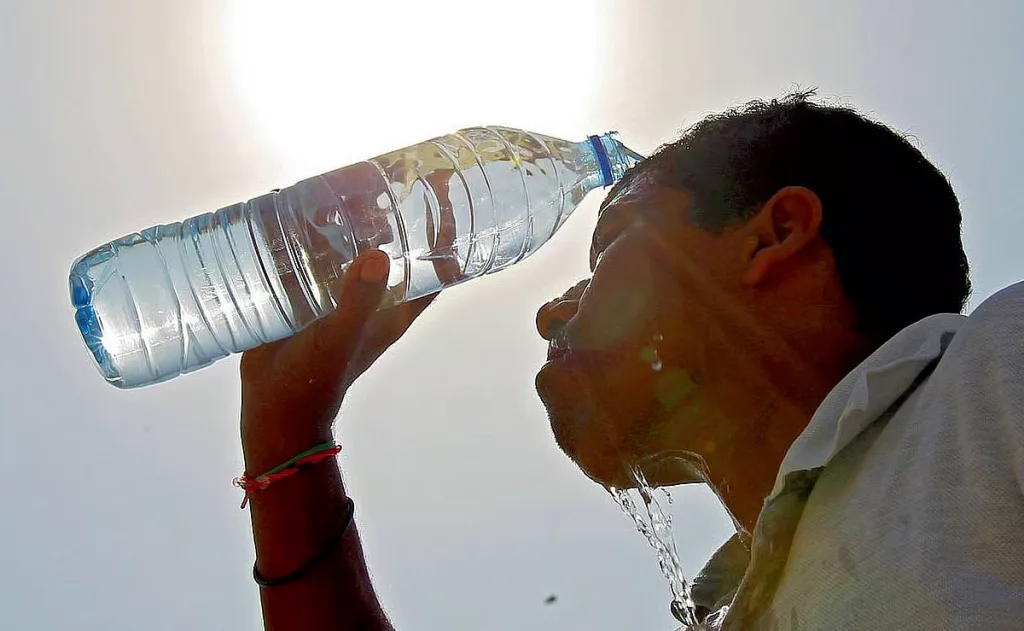
As extreme summer temperatures continue to rise in the UAE, health experts are warning that soaring heat can trigger various medical conditions, especially for those with pre-existing health issues. Beyond sunstroke and dehydration, intense heat can exacerbate dormant health problems, leading to neurological flare-ups and cardiovascular strain. Doctors emphasize that many individuals may not even realize they are at risk until symptoms manifest during periods of extreme heat.
Individuals with multiple sclerosis (MS), a neurological condition that affects the central nervous system and has no known cure, are particularly vulnerable. In the UAE, it is estimated that 19 out of every 100 000 people live with MS. Professor Anu Jacob, Director of Multiple Sclerosis and Autoimmune Neurology at Cleveland Clinic Abu Dhabi and member of the National Multiple Sclerosis Society Medical Advisory Committee, noted that research indicates that between 60 and 80 percent of those with MS experience worsening symptoms like fatigue, mobility issues, and visual disturbances when body temperature increases.
This worsening of symptoms is referred to as Uhthoff’s phenomenon, where elevated body temperature slows signal transmission in already damaged nerves. Professor Jacob clarified that while these symptoms are not permanent, they can significantly affect daily functioning and well-being. Symptoms typically improve with cooling and rest, which is crucial to distinguish from a true flare-up that lasts more than 24 hours. To counter these effects, experts advise individuals to stay hydrated, use cooling aids such as vests and fans, avoid outdoor activities during peak heat hours, and incorporate rest periods into their routines.
Hydration is particularly important for individuals with MS, as it supports the body’s natural cooling system, regulates internal temperature, and reduces the risk of heat-induced flare-ups. Professor Jacob emphasized that hydration also helps manage bladder function and cognitive performance. The UAE has made progress in creating accessible environments for individuals with chronic conditions, with features like shaded public spaces and indoor cooling zones playing a critical role in protecting those with MS.
To further enhance accessibility, the National MS Society has launched the Universal Design for Inclusion Programme. This initiative collaborates with six leading UAE universities to engage students and faculty in developing accessibility-first solutions across campuses.
Emergency physicians are also witnessing the broader health impacts of the heatwave. Dr. Pradeep, an Emergency Medicine Specialist at Medcare Royal Specialty Hospital in Al Qusais, reported a noticeable increase in heat-related cases in emergency departments, including dehydration, heat exhaustion, and in severe cases, heat stroke and acute kidney injury. Patients with chronic illnesses such as MS, heart disease, and kidney disease are at heightened risk, as heat exacerbates fatigue and neurological symptoms in MS and puts additional strain on the heart in cardiac patients.
Dr. Pradeep advised the public to avoid outdoor activities between 11 AM and 4 PM, wear breathable clothing, and maintain a cool indoor environment. In cases of heat-related emergencies, such as confusion, fainting, rapid heartbeat, or cessation of sweating, it is crucial to seek immediate medical attention.
While public health alerts often focus on adults, children with chronic neurological conditions are also at significant risk. Layla, a mother of a 10-year-old boy with epilepsy, shared her strategy of planning summer activities around avoiding the extreme heat of the Gulf. She remarked that her son’s seizures worsen when he overheats, prompting her family to travel to cooler locations every July or August so he can enjoy outdoor activities without constant worry.

Experts stress that early intervention and preventive measures are vital for vulnerable groups. As climate-related health challenges continue to escalate globally, they argue that public awareness and inclusive city planning may become as important as medical solutions themselves.
Leave a Reply