
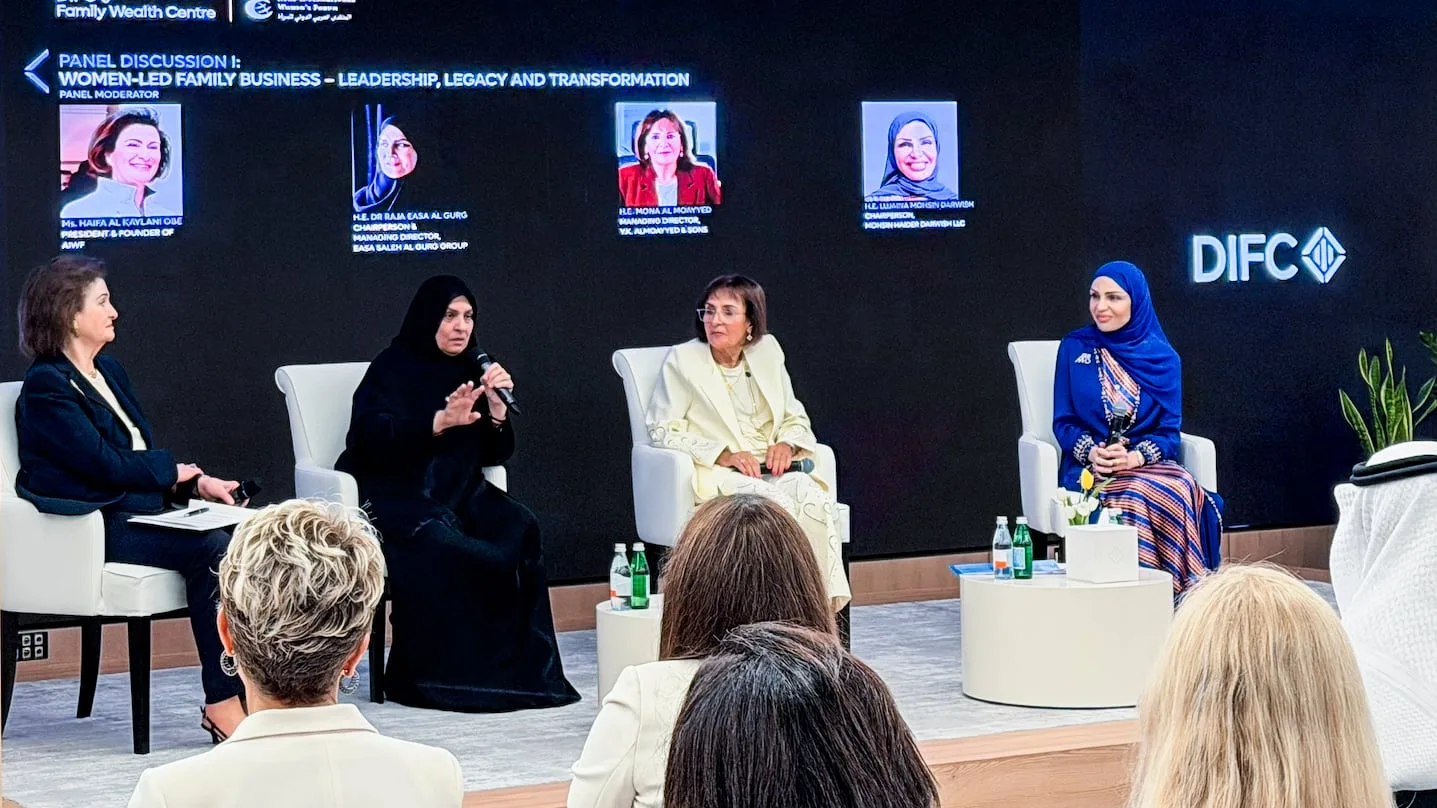
The landscape of Gulf family businesses is undergoing a significant shift as women are increasingly stepping into leadership roles, expected to drive generational change. This transition comes in response to contemporary challenges such as digital transformation and the integration of artificial intelligence into business practices.
Traditionally, family-owned enterprises in the Gulf region have been male-dominated, often passing control from father to son. However, with changing societal norms and a push for gender equality, women are now preparing to break these barriers. Initiatives aimed at empowering women in business are being promoted across the United Arab Emirates and its neighbors, which aligns with broader efforts to diversify economies and foster inclusive growth.
The growing influence of women in leadership not only highlights progress in gender equality but also positions these businesses to compete more effectively in a rapidly evolving marketplace. As family-owned businesses grapple with succession planning, integrating the insights and perspectives of women can be a critical strategic advantage, particularly in sectors that are highly dependent on innovation.
Furthermore, the emphasis on leadership in the context of artificial intelligence cannot be overstated. AI technologies are reshaping industries, creating new business models, and altering consumer behavior. Therefore, female executives are expected to leverage AI tools effectively to enhance operational efficiency and make data-driven decisions, positioning their companies at the forefront of the digital era.
This trend is reflective of a broader shift observed globally, where women are beginning to claim leadership positions in various sectors. For instance, studies have illustrated that diverse leadership teams often outperform their counterparts, suggesting that integrating women into senior management can lead to improved business performance and resilience.
As this evolution continues, it is essential for family businesses in the Gulf region to establish formal mechanisms to support women’s advancement. This includes mentorship programs, leadership training, and creating inclusive corporate cultures. In doing so, they will not only prepare the next generation for leadership but also enhance their attractiveness to investors looking for progressive and sustainable companies.
In conclusion, the ascent of women in leadership roles within Gulf family businesses represents an opportunity for profound transformation. As the region embraces these changes, the implications could be far-reaching—yielding enhanced competitiveness, better decision-making, and a more sustainable economic future.
Leave a Reply