
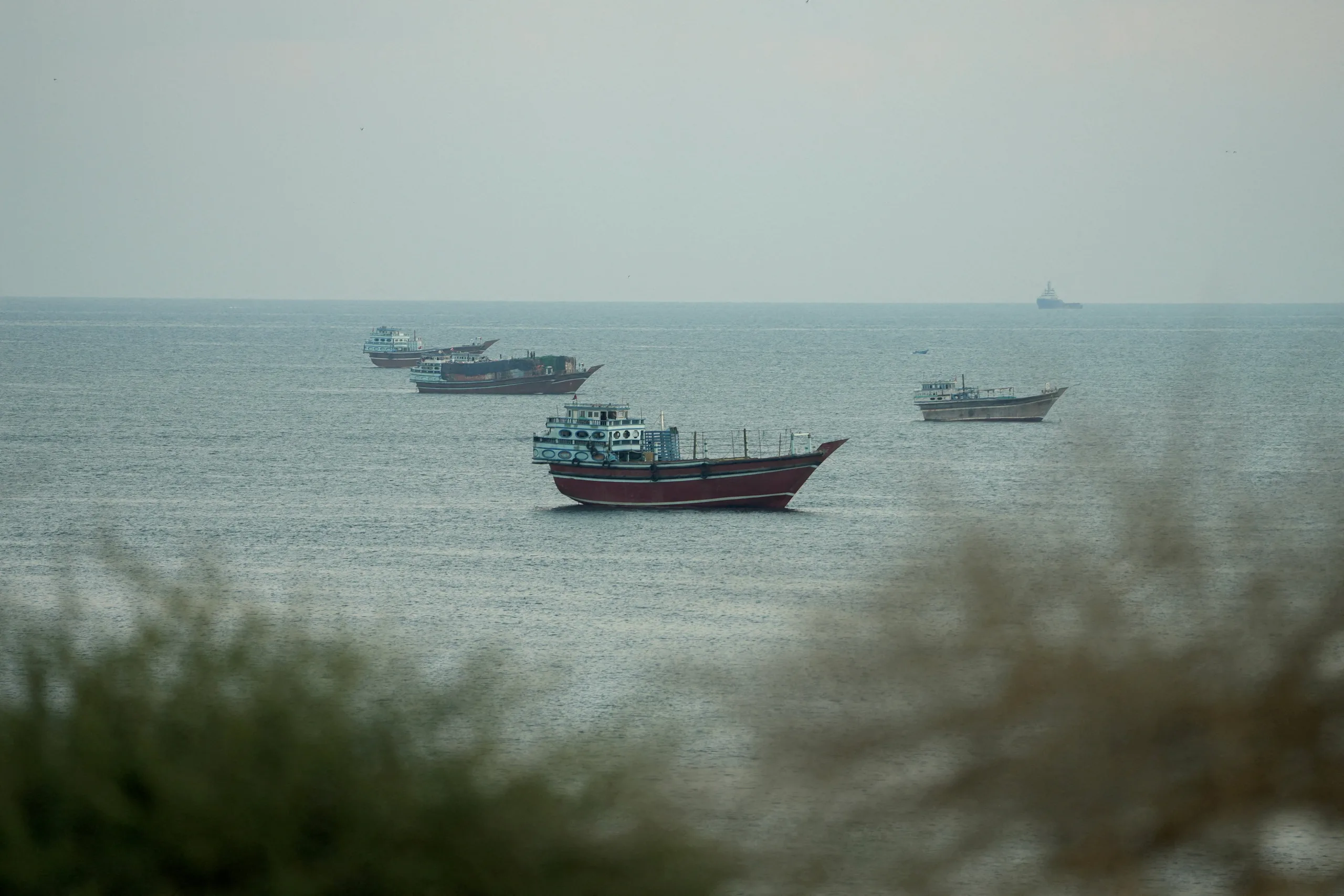
The International Energy Agency (IEA) has recently issued a report highlighting that despite significant investments in pipeline infrastructures, the Gulf region’s reliance on the Strait of Hormuz for oil transport remains unchanged. The agency noted that an estimated $40 billion has been allocated to develop alternative export routes, which could potentially increase oil export capacity by up to seven million barrels per day (bpd).
While the construction of these pipelines symbolizes a proactive step toward diversifying supply routes, the IEA emphasized that the inherent geopolitical tensions in the Middle East continue to pose a substantial risk to oil and gas exports. These tensions often translate into market volatility, which can have profound implications for energy prices and trade stability.
The Gulf region, particularly countries like the United Arab Emirates, Saudi Arabia, and Kuwait, significantly relies on the Strait of Hormuz, through which around 20% of the world’s oil passes. The continued overdependence on this maritime chokepoint raises concerns, especially in light of rising regional instability fueled by political disagreements and conflicts. As such, even with enhanced pipeline capacity, the vulnerability related to regional disruptions remains a pressing issue for energy markets.
Comparatively, other global oil producers have also sought to mitigate similar risks through infrastructure investments. For instance, the United States has expanded its own export capabilities through enhanced pipeline systems and the development of alternative export routes via rail. However, the geopolitical landscape significantly differs, with American productions less susceptible to regional threats compared to those in the Gulf.
The investment in new pipeline infrastructures indicates a long-term strategy by Gulf nations to not only enhance capacity but also to potentially lower their dependence on maritime transport routes, which are frequently targeted by hostile actions or threats. However, until regional stability improves, the IEA’s warning serves as a crucial reminder that infrastructure investments alone may not suffice to safeguard the continuity of oil exports.
In conclusion, while the Gulf region is taking commendable steps toward diversifying its energy transport options, the concerns raised by the IEA underscore a broader narrative of uncertainty. Investors and businesses in the region must remain keenly aware of these geopolitical dynamics, as they continue to influence market confidence and investment strategies in the oil and gas sector. A focus on building resilient, alternative routes must be complemented by efforts to bolster regional stability if the Gulf’s energy markets are to thrive in the long term.
Leave a Reply