
The UAE is making significant advancements in regional transportation with the Etihad Rail high-speed passenger network. This ambitious project aims to connect all seven emirates and key Middle Eastern cities through a 900 km rail system that can reach speeds of up to 350 km/h (217 mph). Once completed, travel between major hubs, such as Abu Dhabi to Al Ruwais, will take just over an hour, while the trip from Abu Dhabi to Fujairah will take approximately 1 hour and 40 minutes, resulting in a reduction of commute times by 30-40%. The initial high-speed link between Abu Dhabi and Dubai is expected to offer a travel time of just 30 minutes, with passenger services projected to begin in the 2026-2027 timeframe.
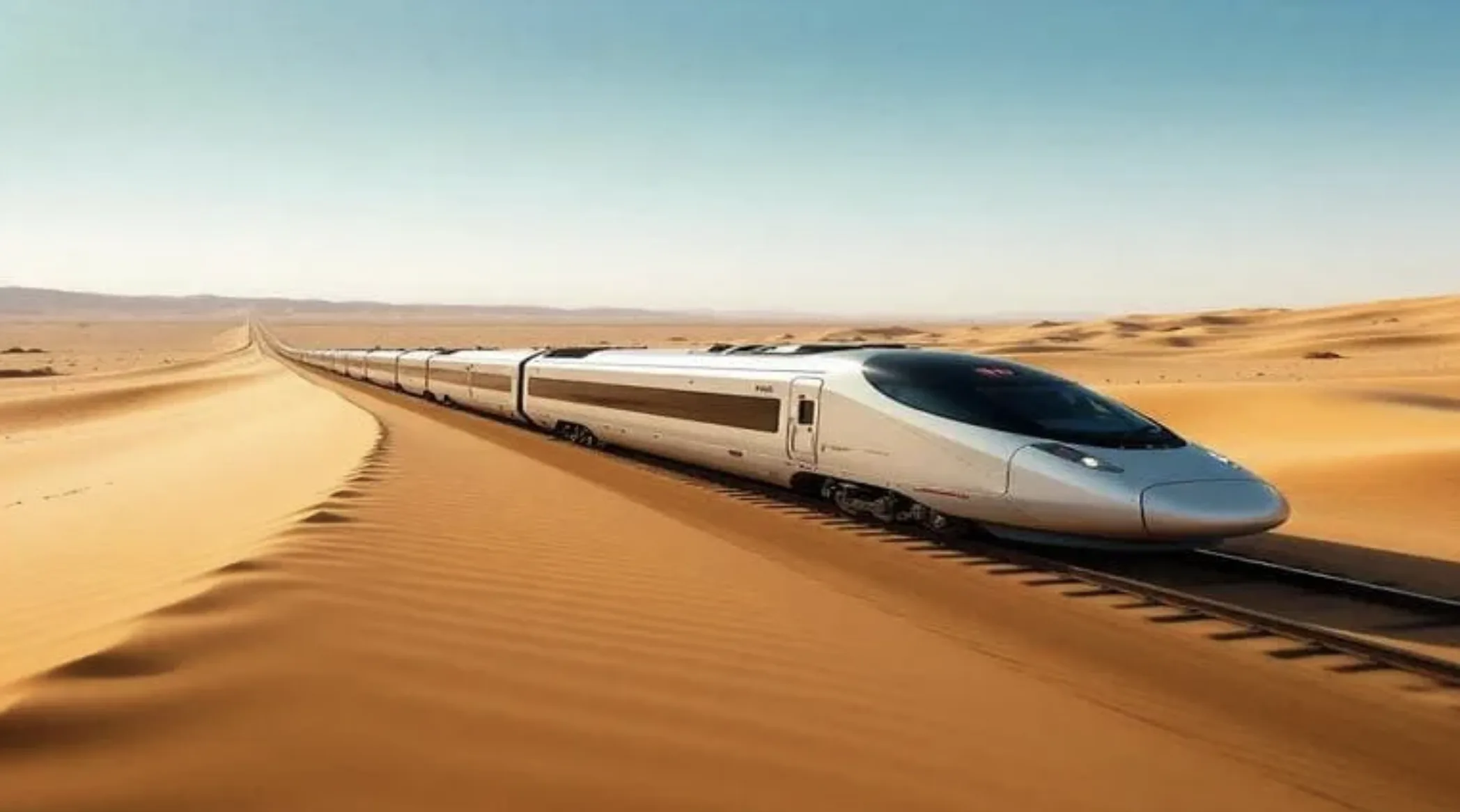
Construction is actively progressing, with new stations being built in Sakamkam (Fujairah), Fujairah Port, and essential bridge structures designed to accommodate trains traveling over 200 mph. Once operational, the rail system will connect 11 cities and regions—including Al Sila, Al Mirfa, Sharjah, and Al Dhaid—enhancing links between economic, industrial, and tourism centers. The Etihad Rail project is forecasted to transport approximately 36 million passengers annually by 2030, with each train capable of carrying around 400 passengers.
This high-speed rail initiative is not just focused on speed; it aims to enhance the quality of life, promote economic diversification, and foster regional connectivity. By providing world-class infrastructure and seamless inter-emirate travel, Etihad Rail is set to transform how individuals and goods move across the UAE and beyond. The project promises to redefine mobility in the Middle East, offering a glimpse into the future of transportation in the region.
Leave a Reply