
Saudi Arabia, the UAE, Qatar, Bahrain, Kuwait, Oman, and Jordan have significantly boosted the Middle East tourism industry, achieving a remarkable increase of over 44% in international arrivals compared to pre-pandemic levels in the first quarter of 2025. Despite this impressive surge, the year-over-year growth appeared modest at just 1%. This paradox raises questions about the underlying dynamics of the region’s tourism success.
While the 1% growth figure might seem unimpressive at first glance, it underscores a more substantial narrative. This figure reflects the region’s sustained demand and strategic maturity after two years of explosive growth. The Middle East is not slowing down; instead, it is stabilizing at a new peak, indicating a solid foundation for future tourism developments.
The standout statistic of a 44% rise in tourist arrivals compared to pre-pandemic levels highlights that the Middle East is not only recovering but also expanding its tourism market. This significant leap indicates that no other region has managed to surpass pre-pandemic benchmarks so decisively, establishing the Middle East as a formidable player on the global tourism stage.
Several factors are fueling this remarkable growth. Key infrastructure investments across the region have greatly enhanced the travel experience, with major airport expansions in cities such as Riyadh, Doha, and Dubai improving capacity and reducing delays. Furthermore, the introduction of modern hotels, digital visa policies, and a diverse array of entertainment and cultural events have attracted global travelers.
Airline strategies have also played a crucial role in this tourism boom. Airlines like Emirates, Qatar Airways, and Saudia have increased their operations to meet rising demand, while budget carriers have expanded their services, making Middle Eastern destinations more accessible than ever.
Additionally, high-profile events and mega projects, including Saudi Arabia’s NEOM and Qatar’s developments after the World Cup, are generating ongoing interest. Events such as the Dubai Shopping Festival and the Abu Dhabi Grand Prix continue to draw millions, fostering repeat visitation and long-term loyalty among travelers.
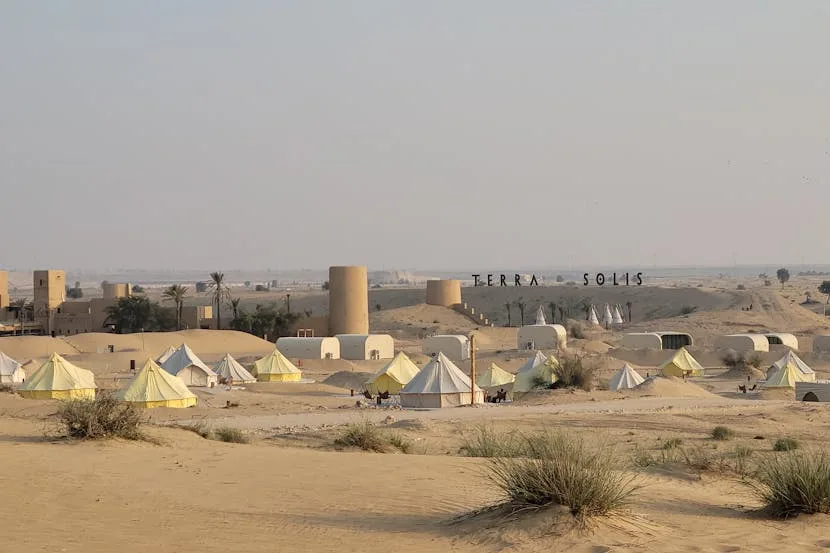
In this evolving landscape, travelers are increasingly seeking authentic and prestigious experiences. The Middle East excels at offering immersive activities, such as desert safaris and unique dining experiences, that resonate emotionally with visitors. The region’s hospitality sector has successfully blended luxury with cultural traditions, catering to a market hungry for both comfort and rich experiences.
Looking ahead, the challenge lies in maintaining this momentum. Stakeholders in the tourism sector must adapt to rising expectations by investing in digital transformation and sustainable practices. Governments also need to be vigilant against potential over-tourism and infrastructure strain to ensure the region can sustain its leading position in global tourism.
In conclusion, the Middle East has transformed from an underdog in global tourism recovery to a frontrunner. The 44% surge over pre-pandemic levels is not merely a statistic; it marks a significant milestone in reshaping the travel landscape, with the region poised to lead and innovate as the year progresses.
Leave a Reply