
Cyprus will soon receive a mobile desalination unit from the United Arab Emirates to help meet its water needs, as announced by President Nikos Christodoulides on Wednesday night. The President confirmed that the unit will be provided “free of charge,” highlighting its significance in both foreign policy and internal affairs.
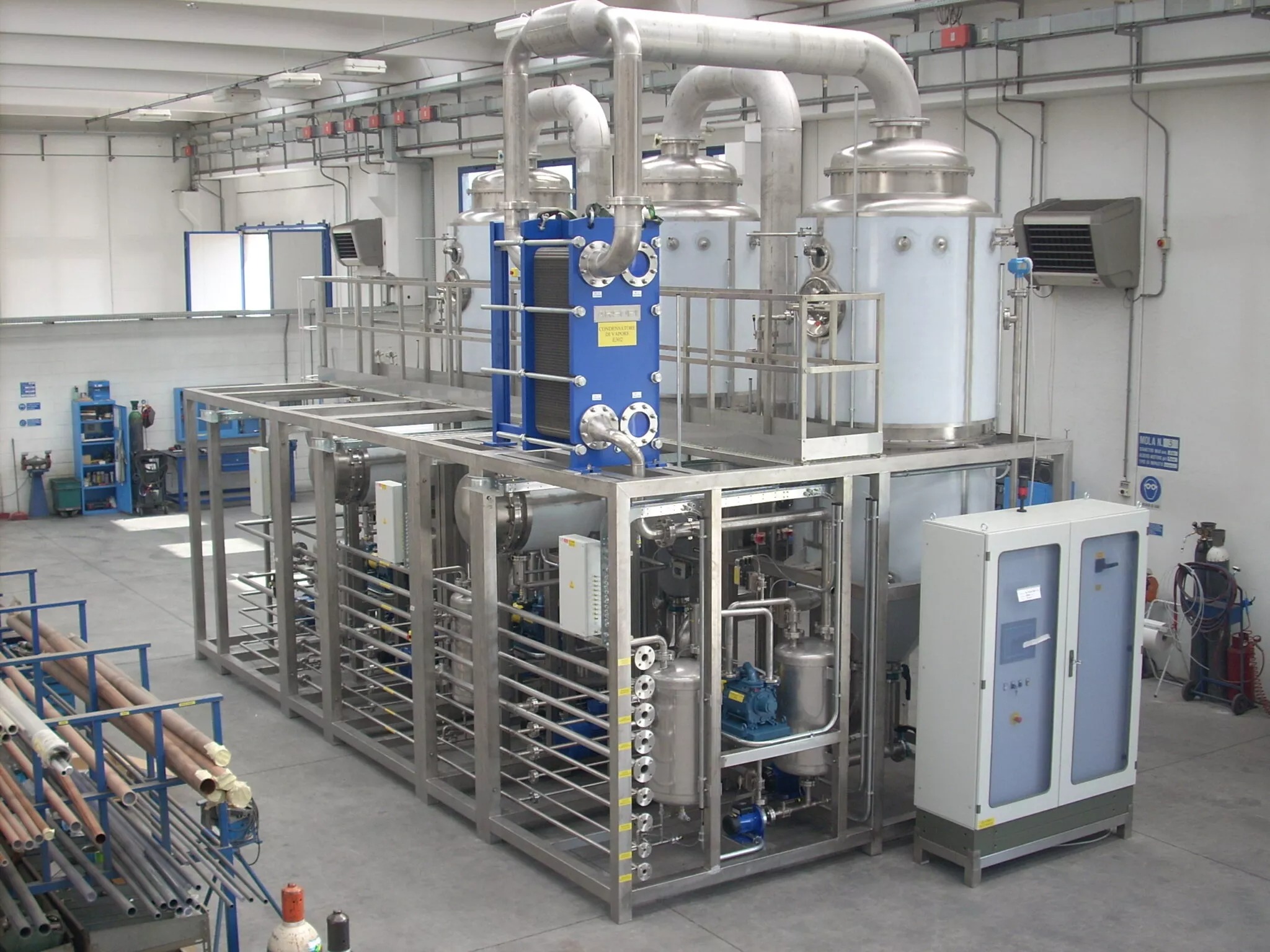
In his remarks to television channel Ant1, Christodoulides shared that he had submitted a request to the UAE, and President Mohamed bin Zayed Al Nahyan decided to provide the unit at no cost due to the strong political relations between the two countries. The mobile desalination unit is expected to be delivered immediately to address Cyprus’ water requirements for 2025.
The announcement of the desalination unit comes amid growing concerns over Cyprus’ dwindling domestic water supply, which is facing pressure from unusually low rainfall and rising consumption. Current reports indicate that the island’s reservoirs are only 23.5 percent full, with a total of 68.3 million cubic metres of water available, significantly less than the 132.6 million cubic metres recorded at the same time last year.
Reservoirs linked to the southern conveyor are currently at just 23.3 percent capacity, down from 41.5 percent a year ago. In the Paphos area, reservoirs are only 23.5 percent full, compared to 53.5 percent last year. The Mavrokolympos reservoir was completely emptied earlier this year due to a corroded vent in the dam.
The situation is particularly dire in the Nicosia district, where reservoirs are at a mere 19.8 percent capacity, which is more than a third less than last year’s 52.5 percent. The Vyzakia reservoir in Nicosia holds just 48,000 cubic metres of water, equating to only 2.8 percent of its capacity, compared to almost 13 times more water a year ago.
Farmers have described the ongoing water shortages as “tragic.” Panicos Hambas, chairman of the farmers’ union, warned that without measures to ensure water security, Cyprus could face serious food insecurity. Many farmers producing hay for animal feed are seeing their crops wilt before they can mature, forcing them to harvest early and resulting in significantly reduced yields.
Hambas emphasized that the government should focus on making farmers less dependent on weather conditions. He called for increased investment in reservoir maintenance and for farmers to be prioritized during water shortages, stating, “You cannot cut water off from farmers and give it to golf courses.”
In addition to these challenges, Nicosia’s Turkish Cypriot mayor, Mehmet Harmanci, mentioned plans to construct two new reservoirs in the divided capital, working alongside the European Union. Both he and his Greek Cypriot counterpart, Charalambos Prountzos, support the initiative, but it requires approval from President Christodoulides and Turkish Cypriot leader Ersin Tatar.

Paphos district governor Charalambos Pittokopitis also indicated a need for two additional reservoirs in his district, one on the Diarizos River and another on the Ezousa River.
Leave a Reply