
Dubai-based Arabic.AI has introduced an innovative autonomous AI platform designed specifically for the Arabic language. Founded by the accomplished entrepreneur Nour Al Hassan, who previously established the language technology company Tarjama, Arabic.AI has developed a proprietary large language model named Pronoia. Benchmarks indicate that Pronoia outperforms notable AI systems, including GPT-4, Deepseek, and Cohere, in tasks related to the Arabic language.
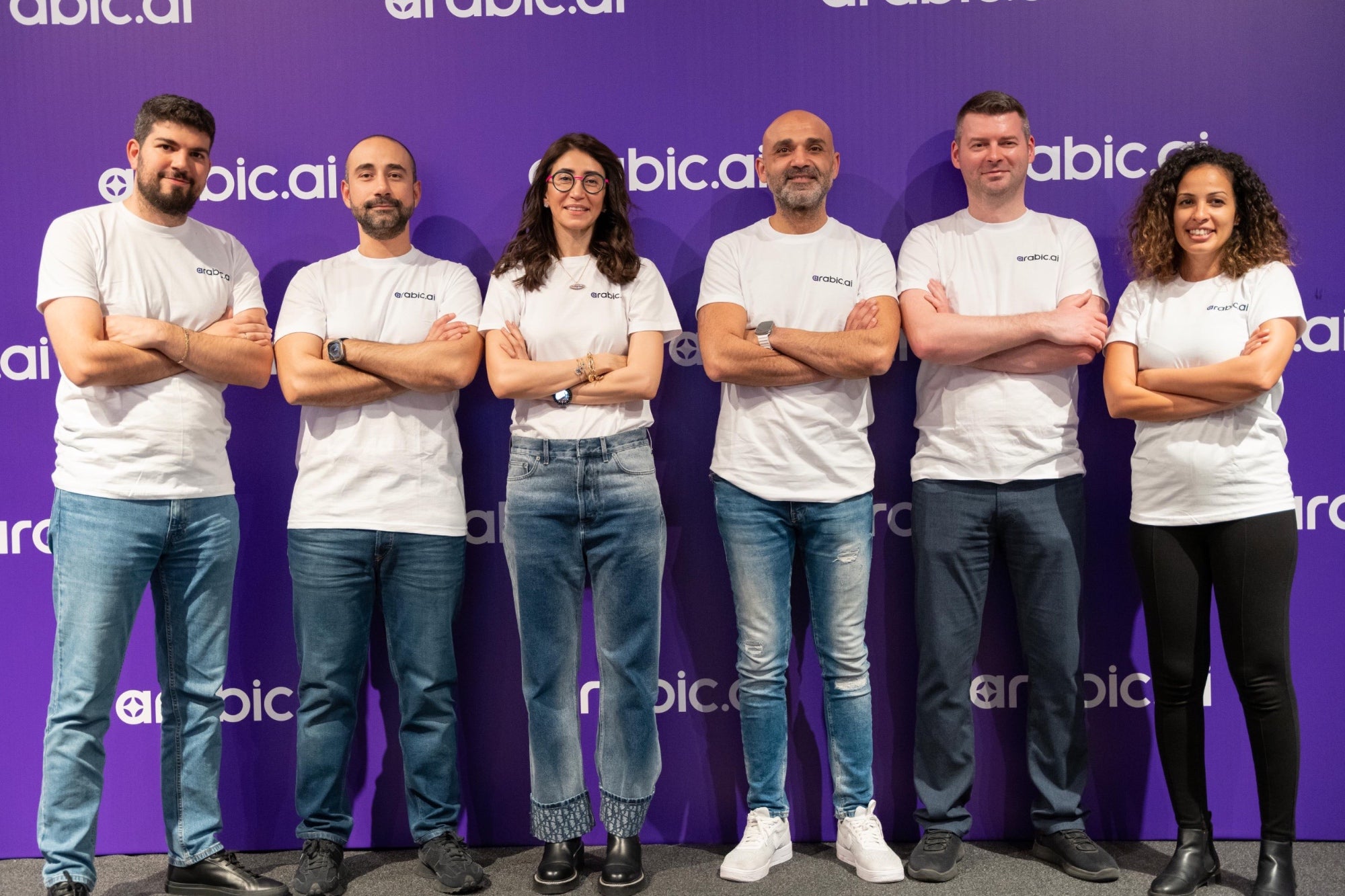
During the launch event, Al Hassan emphasized the importance of Arabic in the AI landscape, stating, “For too long, Arabic has remained an afterthought in the global AI landscape.” He indicated that Pronoia is a fundamentally different system that comprehensively understands the complexities of Arabic, including its various dialects and contexts.
The agentic platform developed by Arabic.AI enables AI systems to perform complex tasks autonomously, managing multi-step workflows without requiring constant human oversight. Early enterprise users have successfully implemented this technology in sectors such as financial services, healthcare, legal, and media operations.
Arabic.AI provides enterprises with three different methods to utilize its powerful Pronoia engine, catering to various business needs. Clients have the option to license Pronoia to integrate it into their own software, access the platform as a standalone solution, or request fully customized AI solutions tailored to specific requirements.
This adaptable approach allows organizations across diverse industries to capitalize on cutting-edge Arabic AI, whether through straightforward tools, integration into existing systems, or bespoke deployments. Several Fortune 500 companies are currently testing Arabic.AI in production environments after engaging in pilot programs, as confirmed by company officials.

The technology relies on a vast dataset that has been compiled over 16 years, which enhances its understanding of Arabic context that generic models typically lack. Arabic.AI also offers flexible deployment options, including cloud-based, on-premises, and API access.
Leave a Reply