
Dubai’s Roads and Transport Authority (RTA) has announced a significant overhaul for Al Wasl, one of the city’s busiest neighborhoods. This initiative aims to reduce traffic and travel times across the emirate, enhancing the overall urban landscape.
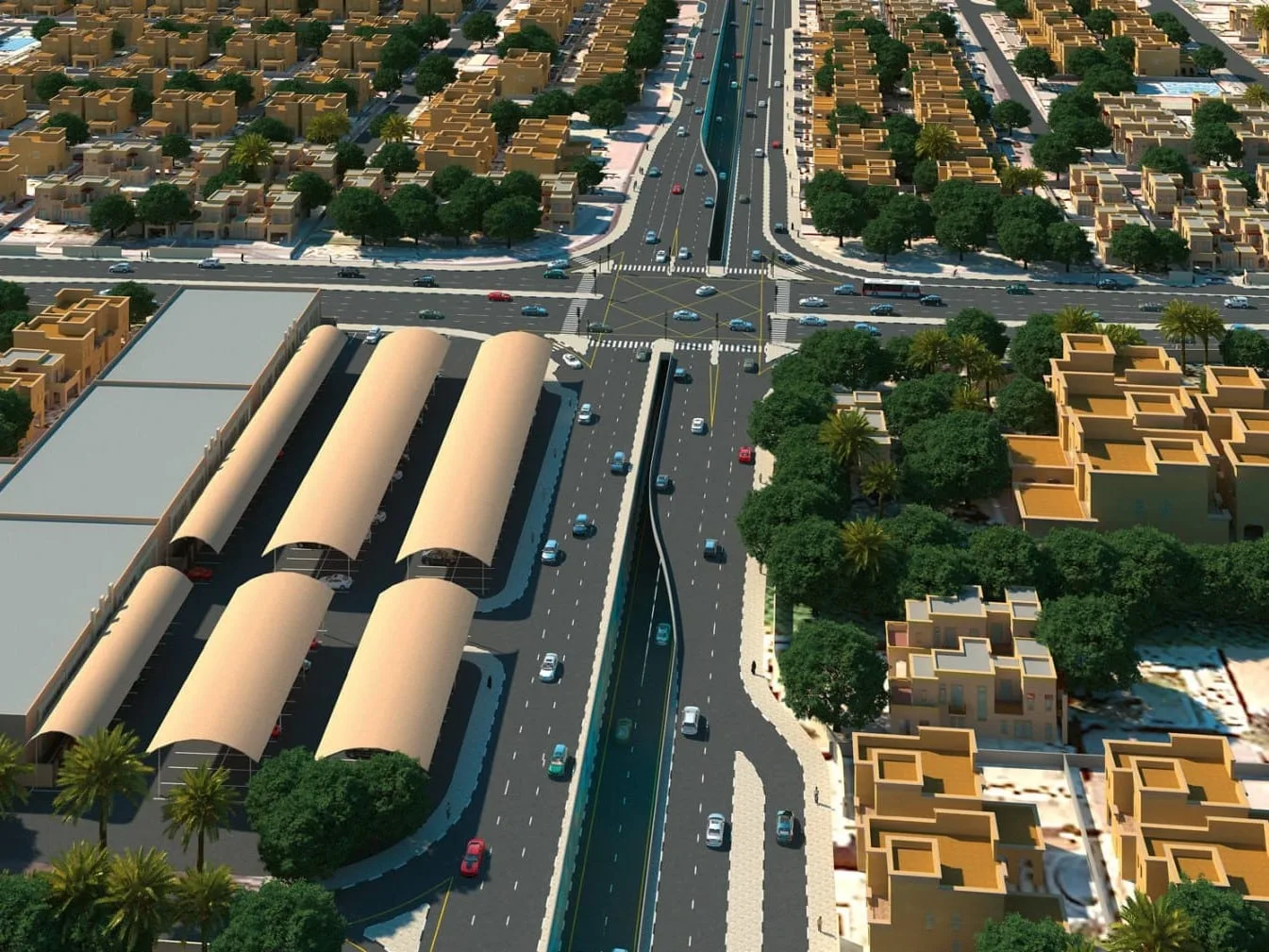
The project follows similar plans introduced earlier in June for Umm Suqeim Street and Jumeirah, focusing on urban development enhancements. Residents and visitors can look forward to improvements such as pedestrian walkways, dedicated cycling tracks, boulevards, and urban spaces, all designed to create a more vibrant community.
In addition to lifestyle upgrades, the RTA plans to construct five tunnels that will span a total of 3 850 meters. Extra lanes will also be added to Al Wasl Road, with the entire project extending from the intersection of Al Wasl Road with Umm Suqeim Street to its junction with 2nd December Street, covering a total of 15 kilometers.
This development is projected to boost the street’s capacity from 8 000 vehicles per hour to an impressive 12 000 vehicles per hour in both directions. It is also expected to cut travel times along the corridor by 50 percent. RTA highlighted that this is part of their master plan to upgrade Dubai’s road network.
Al Wasl is renowned for its vibrant atmosphere, housing over one million residents along with premier dining venues, beaches, and luxury hotels. The RTA’s project will also enhance six intersections, including Al Thanya, Al Manara, Umm Al Sheif, Umm Amara, Al Orouba, and Al Safa Streets, facilitating easier navigation throughout Al Wasl.
At the intersection with Al Manara Street, a unidirectional tunnel will be developed, featuring three lanes that will diverge into two routes. This will allow for two lanes from Sheikh Zayed Road to Jumeirah Street and two lanes from Sheikh Zayed Road to Umm Suqeim Street, accommodating a total of 4 500 vehicles per hour.
Moreover, a 750-meter-long tunnel at Umm Al Sheif Street will be constructed, capable of handling up to 3,200 vehicles per hour, with two lanes directed from Sheikh Zayed Road to Jumeirah Street. Other tunnels will also be built at various intersections, including one spanning 700 meters with a capacity of 6 400 vehicles per hour at the intersection of Al Wasl Road and Umm Amara Street.
Additionally, another unidirectional tunnel with a capacity of 1 400 vehicles per hour will be built at the intersection of Al Wasl Road with Al Orouba Street, directed towards Jumeirah Street. Lastly, a tunnel with the capacity for 6,400 vehicles per hour will be constructed at the intersection of Al Wasl Road and Al Safa Street, featuring two lanes in each direction. The Al Satwa roundabout will be transformed into a signalized junction, accompanied by surface-level enhancements at five intersections along Jumeirah Street.
Leave a Reply