
Saudi Arabia has launched a series of water and sewerage projects valued at $533 million in the Riyadh region. This initiative is part of the Kingdom’s broader efforts to expand public utility services and address the increasing demand for essential resources.
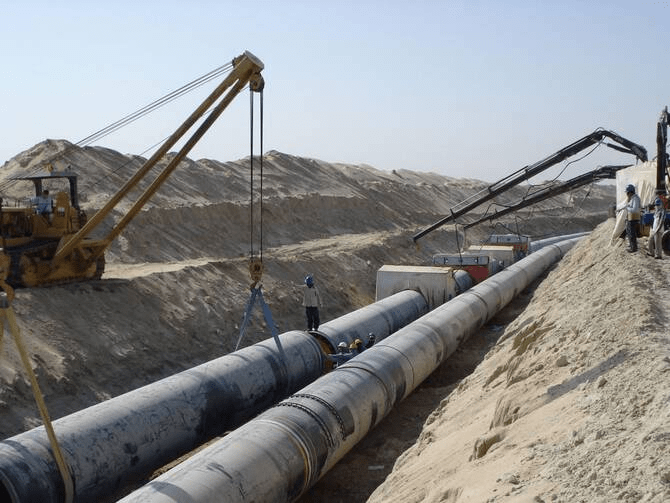
According to a press release from the National Water Co., the projects encompass 30 initiatives that will cover nearly 2,000 kilometers across Riyadh city and its surrounding governorates. The primary objectives are to expand service coverage and enhance the efficiency of the water distribution system.
This initiative is aligned with the government’s Vision 2030 plan, which aims to bolster infrastructure investment and improve the quality of life amidst rising population and economic activity. Notably, of the 30 projects, 16 are dedicated to expanding water services and are valued at over SR1 billion ($266 million).
These water service projects include the construction of 18 reservoirs with a total storage capacity of 85 000 cubic meters and the installation of more than 1 192 kilometers of new pipelines. Additionally, they will feature the development of pumping stations capable of handling a daily capacity of 247 000 cubic meters.
The projects will serve various neighborhoods in Riyadh, including parts of Al-Taawun, Al-Janadriyah, and Al-Diriyah, as well as areas like Al-Quway’iyah, Afif, and Al-Dawadmi. The sewerage projects, which consist of 14 initiatives valued at SR902 million, will add 763 kilometers of pipelines and lift stations designed to handle a total daily capacity of 117 000 cubic meters.
This latest package of projects follows previous announcements, including 46 projects worth SR1.6 billion in May and 20 projects costing nearly SR1 billion in August of the previous year. These ongoing investments in the water and sewerage sector aim to strengthen water distribution systems, tackle environmental challenges, and enhance sustainability efforts in line with Vision 2030 objectives.

In March, the Saudi Water Authority and National Water Co. entered an agreement to construct and operate 16 decentralized purification plants throughout the Kingdom. This partnership aims to improve access to drinking water and promote sustainable groundwater desalination technologies. The new plants are projected to produce over 18,000 cubic meters of water daily, as reported by the Saudi Press Agency.
Currently, Saudi Arabia treats and reuses 21 percent of its wastewater, with ambitions to increase this figure to 70 percent by 2030. The new facilities will contribute significantly to environmental sustainability while improving service delivery. The purification plants are intended to serve over 80 000 people and will be supported by integrated water treatment and distribution systems to enhance supply reliability in resource-limited regions.
Given the Kingdom’s ongoing challenges with water scarcity due to its arid climate and limited natural resources, these initiatives are vital for fostering innovative solutions in water production, management, and distribution.
Leave a Reply