
As young people increasingly seek mental health support from artificial intelligence, the advantages and disadvantages of this technology are being discussed by medical professionals. A recent survey by the Oliver Wyman Forum indicated that 36 percent of Generation Z and millennials would consider using AI for mental health assistance.
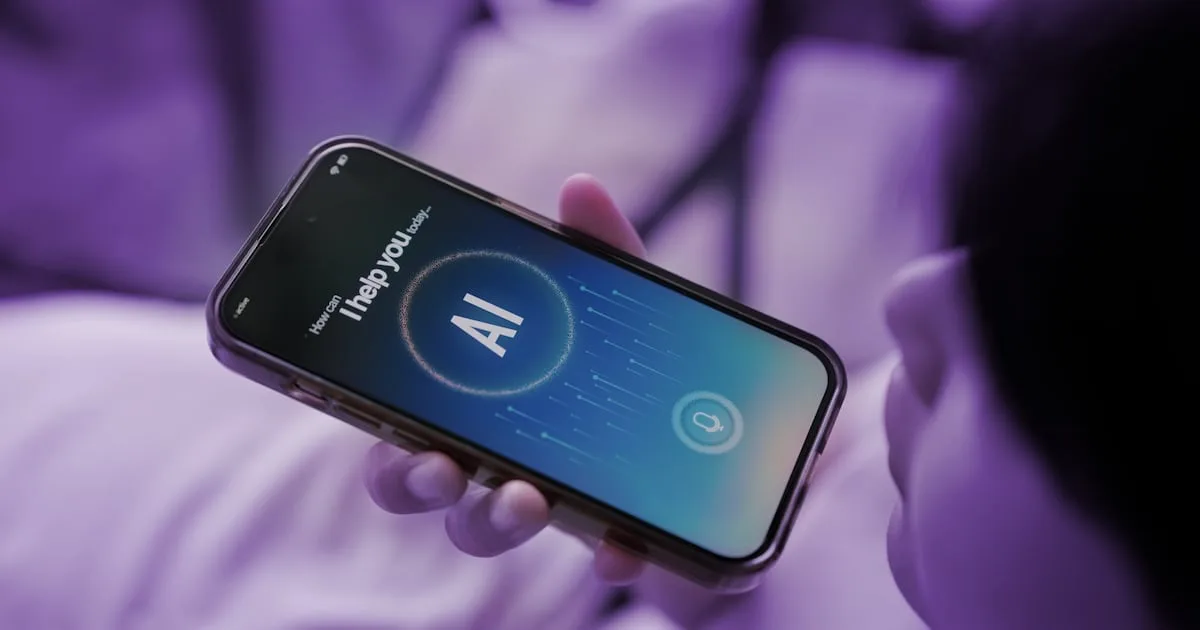
One individual shared that she views ChatGPT as a “friend” and has found it beneficial in managing daily tasks, from creating tailored meal plans to finding holiday deals. Furthermore, she utilizes ChatGPT as a space to explore her innermost thoughts and process difficult past experiences.
Maria Young, a freelance psychologist based in Abu Dhabi, notes that some of her clients are turning to ChatGPT and even TikTok for insights into their mental health issues. She observes that this trend is especially common among her younger clients, primarily those under 40, who are using AI as a substitute for traditional therapy. Young emphasizes the importance of finding a human therapist but acknowledges that AI can serve as a valuable tool in instances where access to therapy is limited.
Living in a city with many immigrants, Young frequently encounters loneliness among her clients. She believes that AI could help bridge the therapy gap for individuals who have recently moved and need to navigate new surroundings. She encourages the use of AI as a resource for those facing barriers to accessing mental health services.
One client, identified as Nenah to protect her privacy, turned to ChatGPT after the cost of therapy became prohibitive due to a change in her financial situation. She uses the chatbot about four times a week, finding it effective in helping her process her thoughts and emotions. “Unlike an actual therapist, the chatbot remembers everything I say, asks questions, and offers various options to consider,” she states.
Young discusses the various obstacles that prevent people from seeking mental health help, including shame, fear, financial constraints, and time limitations. Both she and Nenah highlight the significance of AI for men, noting that 40 percent of men surveyed by British mental health provider Priory in 2025 had never spoken to anyone about their mental health, despite a high prevalence of anxiety and depression.
However, not all professionals share a positive outlook on AI’s role in mental health. London psychotherapist Alice Sinclair argues that therapy is fundamentally about connection, which AI cannot replicate. She warns that using ChatGPT may lead to disconnection from oneself and potentially slow the healing process, as trained therapists can pick up on subtle cues through body language that AI cannot.

Despite her concerns, Sinclair acknowledges that she has tested ChatGPT, asking it for advice on handling suicidal thoughts. She was impressed by the response, which provided a comprehensive answer and contact information for immediate help. This highlights a potential place for AI in the evolving conversation around mental health, though the first step remains for individuals to pursue the professional support they need.
Leave a Reply