
Thailand and the United Arab Emirates (UAE) have advanced their global health cooperation with the launch of the Thailand-Dubai Wellness Initiative. Dr. Tanupol Virunhagarun, also known as Dr. Amp, who is the Chief Executive Officer of BDMS Wellness Clinic and BDMS Wellness Resort under Bangkok Dusit Medical Services Public Company Limited, represented Thailand at an event hosted by the Royal Thai Consulate-General in Dubai. He shared his insights into preventive healthcare.
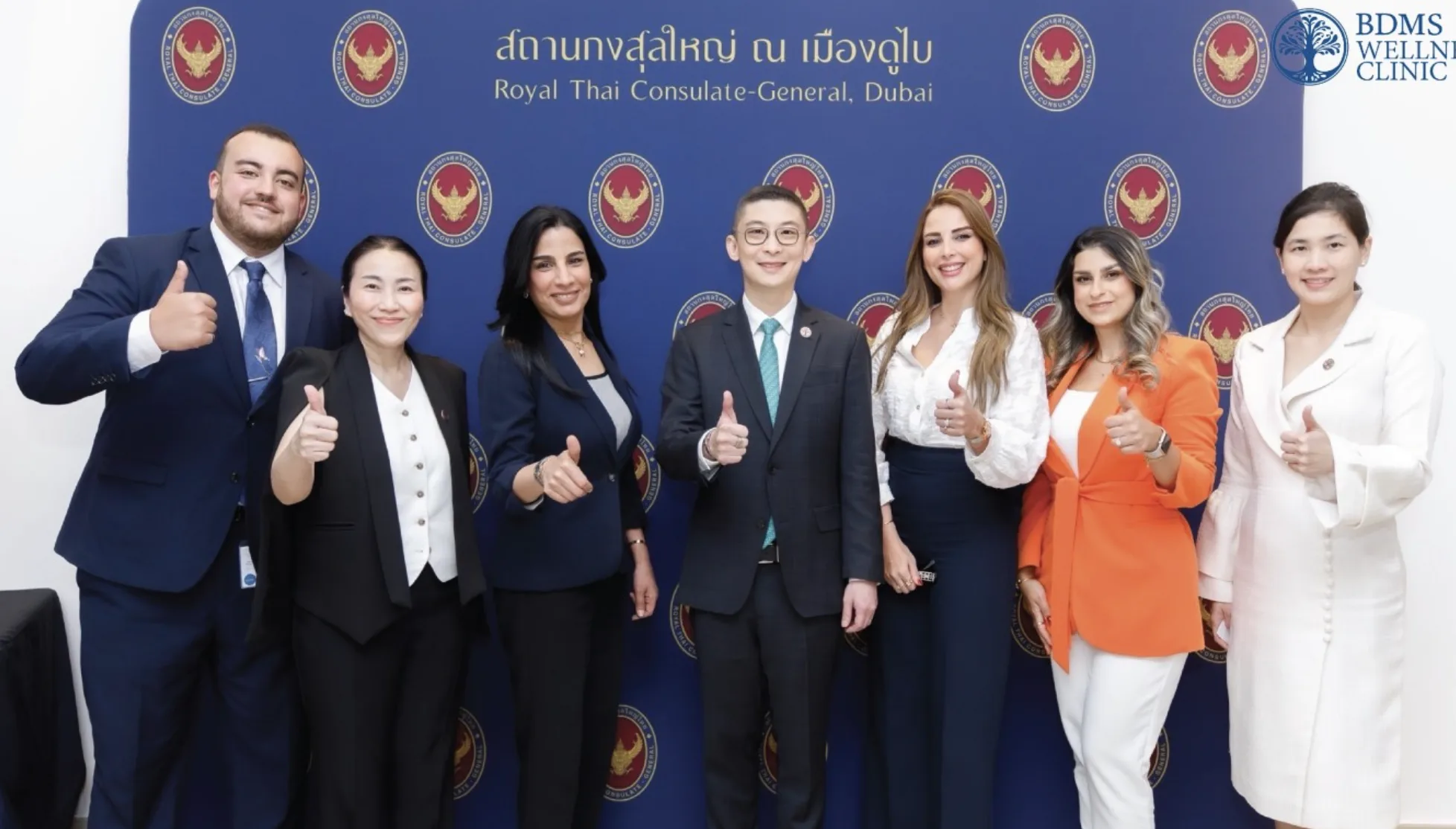
The event, organized by Ms. Nipa Nirannoot, the Consul-General of Thailand to Dubai and the Northern Emirates, welcomed prominent guests from various sectors in the UAE. This gathering underscored the commitment of both nations to enhance international health cooperation.
Dubai’s health strategy aligns with Thailand’s vision for global wellness. The Dubai Health Strategy 2026 focuses on improving public health and lifestyles, enhancing healthcare quality, embracing smart health technologies, and ensuring sustainable system management. This strategy resonates with Dr. Amp’s goal of establishing Thailand as a global wellness hub, where modern medicine meets holistic practices, thereby addressing evolving global health needs.
Dr. Amp was invited to present at a seminar themed “Wellness Hub Thailand: The Future of Global Wellness.” This event aimed to facilitate knowledge exchange and global dialogue on preventive healthcare. During his presentation, he emphasized the importance of positioning Thailand as a global center for preventive and holistic care. He noted that wellness initiatives could drive economic development and enhance quality of life worldwide.
In the UAE, increasing life expectancy does not necessarily mean better quality of life. Recent statistics indicate that while the average lifespan in the UAE is 76.1 years, the average healthspan—years lived in good health—is only 66 years. This 10-year gap presents a significant challenge for healthcare systems, emphasizing the need for a shift towards preventive healthcare to improve not only longevity but also overall well-being.
Dr. Tanupol highlighted that this situation poses a key structural challenge affecting quality of life in the region. He pointed out that various sectors are beginning to recognize the importance of preventive care rather than relying solely on treatment-based methods that address illnesses only after symptoms develop. He stated, “A forward-looking model such as Scientific Wellness provides a meaningful solution,” emphasizing the need for holistic health management supported by scientific data and advanced health technologies.
The rise of non-communicable diseases (NCDs) is a pressing public health crisis globally, with over 45 million deaths attributed to NCDs in 2022, according to the World Health Organization (WHO). In the UAE, NCDs account for over 77% of all deaths, approximately 16,100 annually, averaging two deaths per hour. These conditions are primarily linked to cardiovascular disease, cancer, chronic respiratory disease, and diabetes.
The issue is exacerbated by a high obesity rate; WHO data indicates that 6.97 million people in the UAE, or 71.3% of the population, are classified as overweight or obese, increasing their risk for chronic illnesses. The COVID-19 pandemic has further highlighted these vulnerabilities, as patients with pre-existing conditions faced a higher likelihood of severe illness or death.
Dr. Tanupol’s seminar marked an important step in promoting Thailand’s role in the global wellness landscape. He described Thailand as a premier destination for preventive and holistic health, showcasing the country’s natural beauty, biodiversity, and rich cultural heritage. Traditional practices such as Thai cuisine, herbal remedies, and massage have become essential components of Thailand’s wellness identity.
“Thailand’s landscapes, therapeutic practices, and holistic health services are attracting travelers seeking more than just treatment, but true rejuvenation,” Dr. Tanupol remarked.

Additionally, Thailand is advancing in medical technology and training, with professionals delivering care that meets international standards. “With these advantages, Thailand is well-positioned to emerge as a Global Wellness Hub,” he concluded, emphasizing the country’s potential as a leader in preventive healthcare and the movement towards sustainable well-being and health equity.
Leave a Reply