
Dubai is set to construct three hospitals and 33 primary healthcare centres, along with several specialised centres of excellence by 2033. This initiative was approved by Sheikh Hamdan bin Mohammed bin Rashid Al Maktoum, the Crown Prince of Dubai, during a meeting of The Executive Council of Dubai.
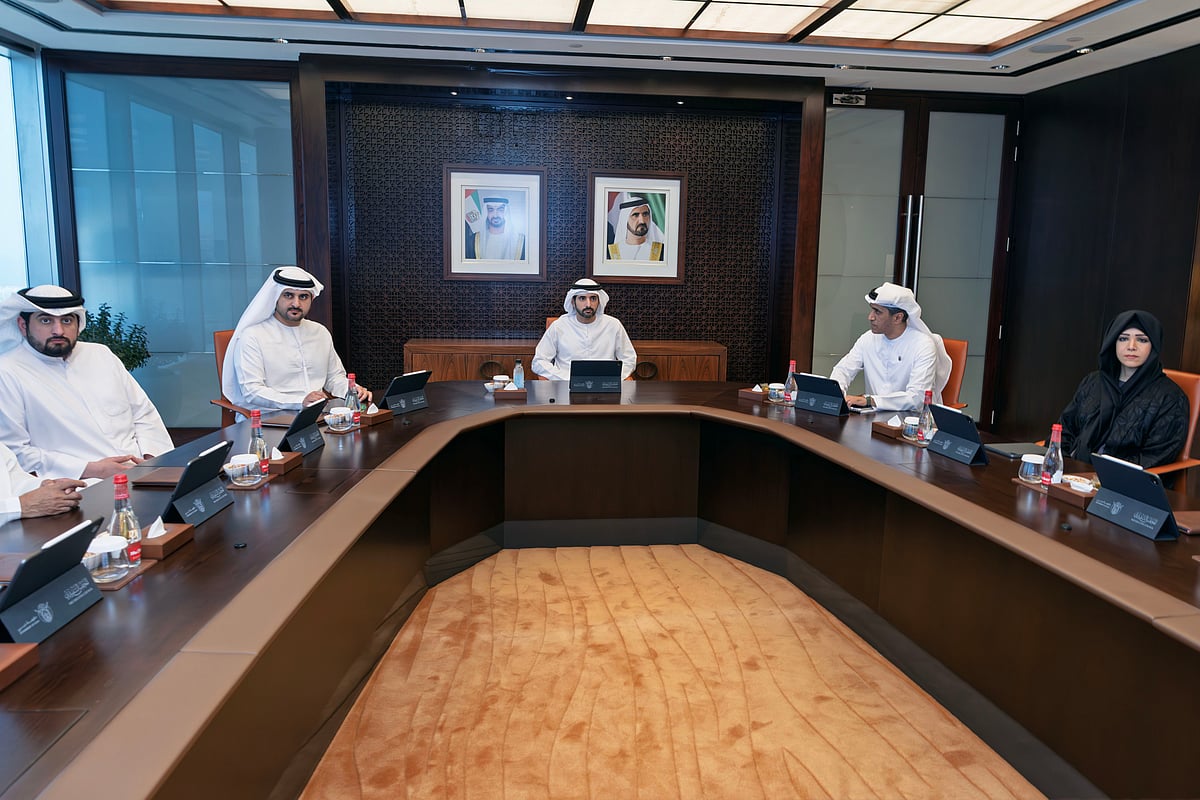
The newly introduced policies aim to enhance the quality of life for residents and align with the Dubai Social Agenda 33 as well as the Dubai Economic Agenda D33. The meeting, which took place at Emirates Towers, was attended by key figures including Sheikh Maktoum bin Mohammed bin Rashid Al Maktoum and Sheikh Ahmed bin Mohammed bin Rashid Al Maktoum.
Sheikh Hamdan emphasized that the development plans prioritize people and aim to support individuals and families. He stated that the policies are designed to foster a sustainable and inclusive future, focusing on tangible outcomes that benefit society as a whole. He noted, “Guided by the vision of His Highness Sheikh Mohammed bin Rashid Al Maktoum, Dubai puts people at the heart of all its development plans.”
The healthcare enhancement plan, led by the Dubai Health Authority, intends to expand access to quality medical care throughout the city. It will focus on newly developed residential areas such as Al Yalayis, Al Awir, Hind City, Nad Al Sheba, Al Lisaili, and Lehbab. The new facilities will be built through public-private partnerships, supported by incentive packages to attract both local and international investment.
Additionally, the strategy will include a thorough review of healthcare supply and demand, improvements to mental health insurance coverage, and initiatives aimed at attracting medical talent and expanding scholarships for Emirati doctors.
A new initiative, the Unified Centre for Family Care, managed by the Community Development Authority in Dubai, will offer integrated services for family counselling, child protection, custody management, and social guidance. This centre will operate through two branches in Deira and Bur Dubai, utilizing digital tools to enhance service delivery.

Furthermore, the Policy on Empowering Emirati Students in Private Education, led by the Knowledge and Human Development Authority (KHDA), aims for 100% of Emirati students to attend schools rated ‘Good’ or above, with a parental satisfaction rate exceeding 90%. This policy includes school improvement programs, flexible education models, and the expansion of the Dubai Distinguished Students Programme (DDSP), reinforcing the importance of education in preparing future leaders.
Leave a Reply