
NAMA Women Advancement’s recent ‘Financial Literacy Programme’ has empowered nearly 200 women across Sharjah by teaching them essential financial skills. Participants from cities such as Sharjah, Kalba, Dibba Al Hisn, and Al Madam engaged in practical training that aimed to simplify personal finance, enabling them to develop strategies for saving, budgeting, and making informed spending decisions.
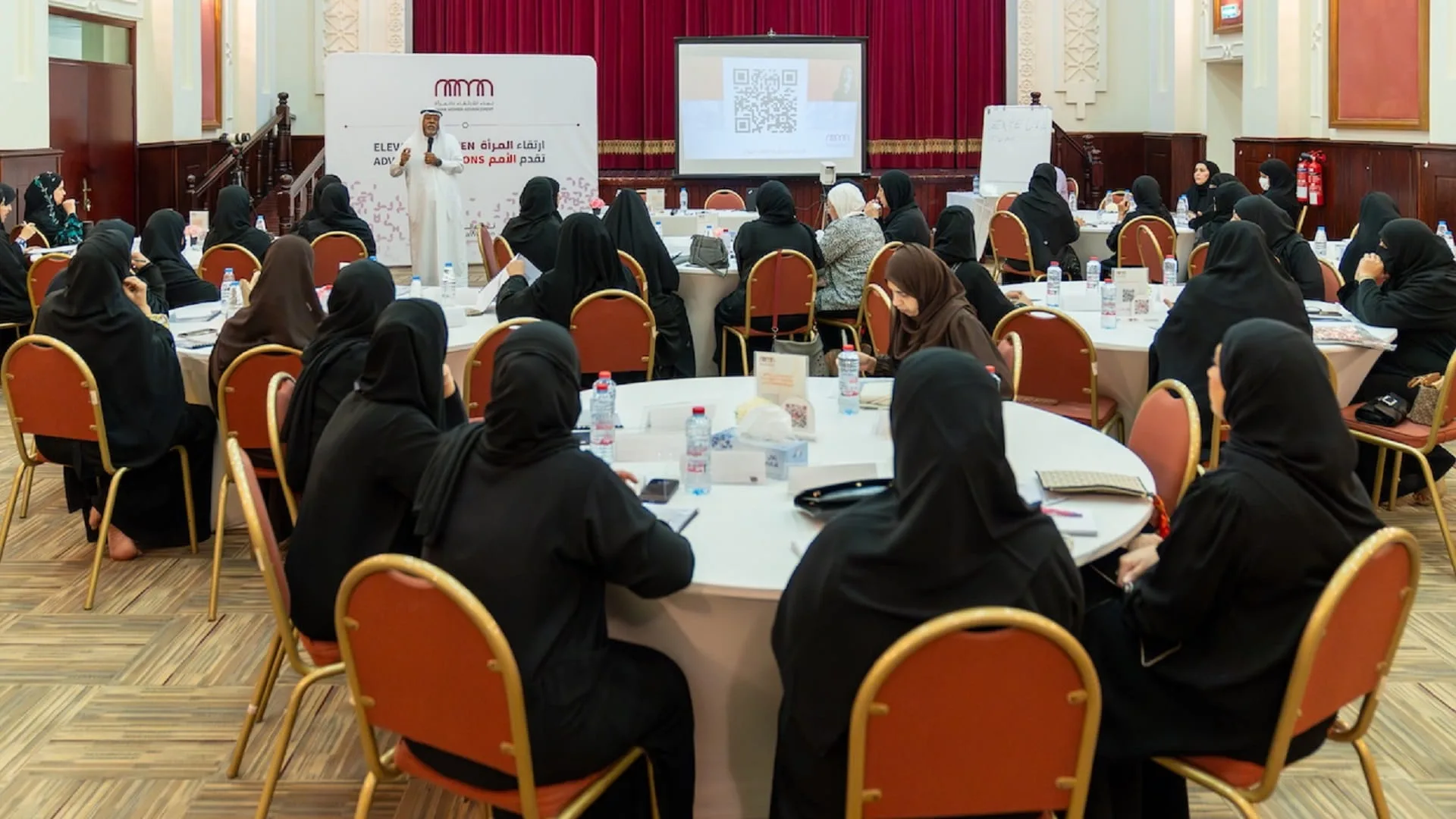
Mariam Al Naqbi, a mother from Al Madam, exemplified the programme’s impact when she began teaching her children about the importance of saving during dinner. This shift in perspective marked a new approach to money for her—transforming it from a source of stress into a tool for planning and dreaming.
Led by financial consultant Salah Al Halyan, the programme focused on building financial confidence among women, especially those at the early stages of their careers or family lives. Participants learned to create monthly budgets and evaluate the risks and benefits of borrowing, applying their knowledge to real-life scenarios. Latifa Al Mulla from Kalba expressed her newfound clarity, stating, “I felt like I finally had a roadmap,” which helped her manage her monthly expenses.
The training also inspired entrepreneurial ambitions among participants. One woman from Dibba Al Hisn, who had previously abandoned her dream of starting a small home business, credited the course with providing her the knowledge and mindset to pursue her goals. She remarked, “I always thought finance was too complicated for me. Now I know how to plan and start with what I have.”
NAMA’s initiatives reflect a philosophy that emphasizes the importance of financial literacy for long-term stability and meaningful economic participation. The organisation believes that true empowerment begins with understanding financial principles, and this programme is a significant step in achieving that goal.
The relevance of the course extends to national priorities, as highlighted by the UAE Ministry of Finance. Emirati women represent 54.7 percent of employees in the federal financial sector and hold 42.8 percent of leadership positions. They make up over three-quarters of the workforce in this area, which signals a growing trend of women’s influence in shaping the country’s financial future.
Under the leadership of Her Highness Sheikha Jawaher bint Mohammed Al Qasimi, Chairperson of NAMA, financial education has been prioritized as a crucial tool for personal growth and community resilience. Programmes like the ‘Financial Literacy Programme’ aim to equip women not only to participate in the economy but to lead it.

For participants like Mariam and Aisha, the programme’s effects are evident. They have begun drafting savings plans and managing household budgets more effectively, empowering them to make informed financial decisions and actively shape their futures.
Leave a Reply