
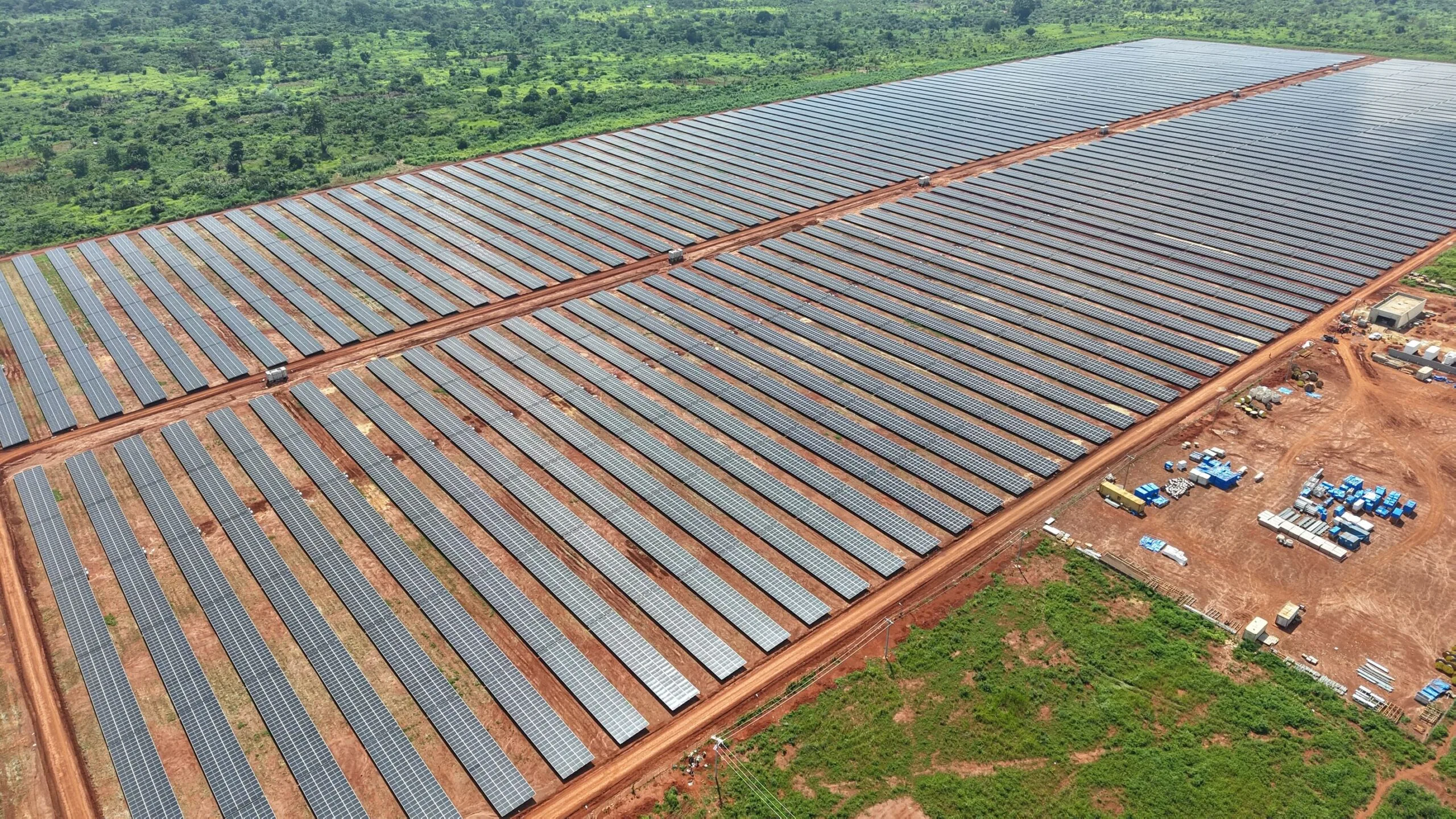
Global South Utilities (GSU), a company based in Abu Dhabi, has officially opened a significant solar power facility in the Central African Republic with a capacity of 50 megawatts. This marks a pivotal moment in the nation’s development, as it represents the largest infrastructure project in the country’s history, aimed at dramatically enhancing the national electricity generation capability by over 60%.
This ambitious solar project is poised to meet the growing energy needs of the Central African Republic, which has long struggled with energy shortages. By increasing the power supply, the GSU initiative not only addresses immediate electricity demands but also aims to stimulate economic growth and development in the region. With a reliable power supply, local businesses can expand operations, and new investments are likely to follow.
The launch of the solar plant highlights the UAE’s commitment to renewable energy and underscores its strategy to extend influence and collaboration across Africa. The UAE has significantly invested in green technologies, and this project can be seen as a part of its broader effort to diversify energy investments both domestically and internationally. In addition, it positions the UAE as a leader in sustainable infrastructure development within the Gulf Cooperation Council (GCC) and the larger global energy market.
Comparatively, other Gulf players such as Saudi Arabia and Qatar have also intensified their investments in renewable energy projects. Saudi Arabia’s Vision 2030 initiative includes ambitious solar and wind energy programs, while Qatar is focusing on carbon capture and renewable energy solutions. However, GSU’s efforts in the Central African Republic may provide unique opportunities, as the country represents an untapped market for renewable energy growth in Africa.
From an investment standpoint, this project could capture the attention of both local and international stakeholders interested in the intersection of sustainable practices and profitable ventures. As businesses increasingly seek to align with environmental, social, and governance (ESG) criteria, initiatives like GSU’s solar plant may attract environmentally-conscious investors looking for impactful projects that also promise attractive returns.
Looking ahead, the success of this solar plant could serve as a model for future projects in similar regions facing energy challenges. If GSU effectively demonstrates that renewable energy can be both a viable and profitable solution for developing nations, it may pave the way for further investment in infrastructure projects that prioritize sustainability. This could lead to greater collaboration between the UAE and African nations, driving growth in renewable energy markets across the continent.
Leave a Reply