
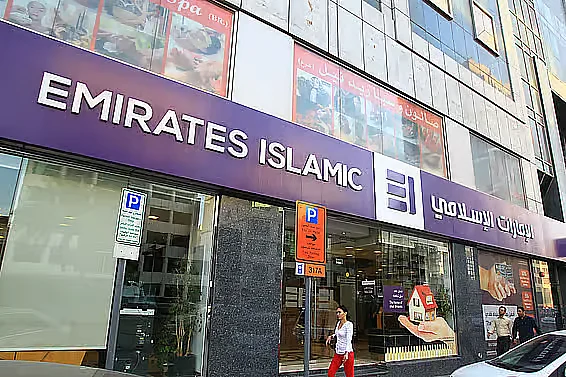
The recent acquisition deal between Dubai Islamic Bank (DIB) and Emirates Islamic Bank has set off a wave of speculation regarding further mergers within the UAE banking sector, particularly among smaller and mid-sized financial institutions. Analysts are weighing in on the implications of this merger, suggesting that it is a pivotal moment that could reshape the landscape of banking in the region.
This transaction is notable for its all-share structure, which allows DIB to utilize its own shares as currency for the purchase rather than incurring debt. This strategy not only minimizes financial risk but also signals a strong position for DIB in the market, leaving it well-capitalized to pursue additional growth opportunities. Analysts believe that this method of funding could encourage other banks to consider similar merger strategies, especially in an environment where competition for market share is intensifying.
The UAE banking sector has been undergoing significant transformation, influenced by economic pressures and changing consumer behavior. The consolidation of banks is viewed as a potential solution to enhance efficiencies, reduce operational costs, and expand service offerings to a wider clientele. Notably, smaller banks can leverage mergers to gain the scale necessary to thrive amid competition from larger entities. This shift is particularly relevant as digital banking and fintech innovations continue to disrupt traditional banking models.
In light of these developments, the discussions surrounding future mergers could lead to a more concentrated banking environment in the UAE. If more smaller banks decide to follow suit, it could create a ripple effect across the sector, potentially resulting in fewer but more robust banks that can better meet the demands of a modern economy. Furthermore, such a consolidation could attract greater foreign investment, as investors often seek stability and strength in their banking partners.
However, the prospect of increased mergers does not come without its challenges. Regulatory considerations will play a critical role in determining the pace and feasibility of future deals. The Central Bank of the UAE may need to ensure that these mergers do not stifle competition or negatively impact financial inclusion for smaller enterprises and consumers. Balancing these factors will be essential for maintaining a healthy banking ecosystem in the region.
Looking ahead, the trend towards consolidation seems likely to accelerate, with analysts predicting that the market will see a wave of mergers and acquisitions as banks seek to strengthen their positions in a rapidly changing financial landscape. As the dust settles from the DIB-Emirates Islamic merger, all eyes will be on other banks to watch for potential partnerships that could further shift the dynamics of banking in the UAE and the wider Gulf region.
Leave a Reply