The UAE Government and the World Economic Forum (WEF) have announced the launch of the 2025 edition of the Global Future Councils, scheduled to take place in Dubai from October 14 to 16, 2025. This significant event marks a continuation of the longstanding collaboration between the UAE and the WEF, building on over 16 years of success, during which more than 280 councils have convened with the participation of over 6 600 global experts and specialists.
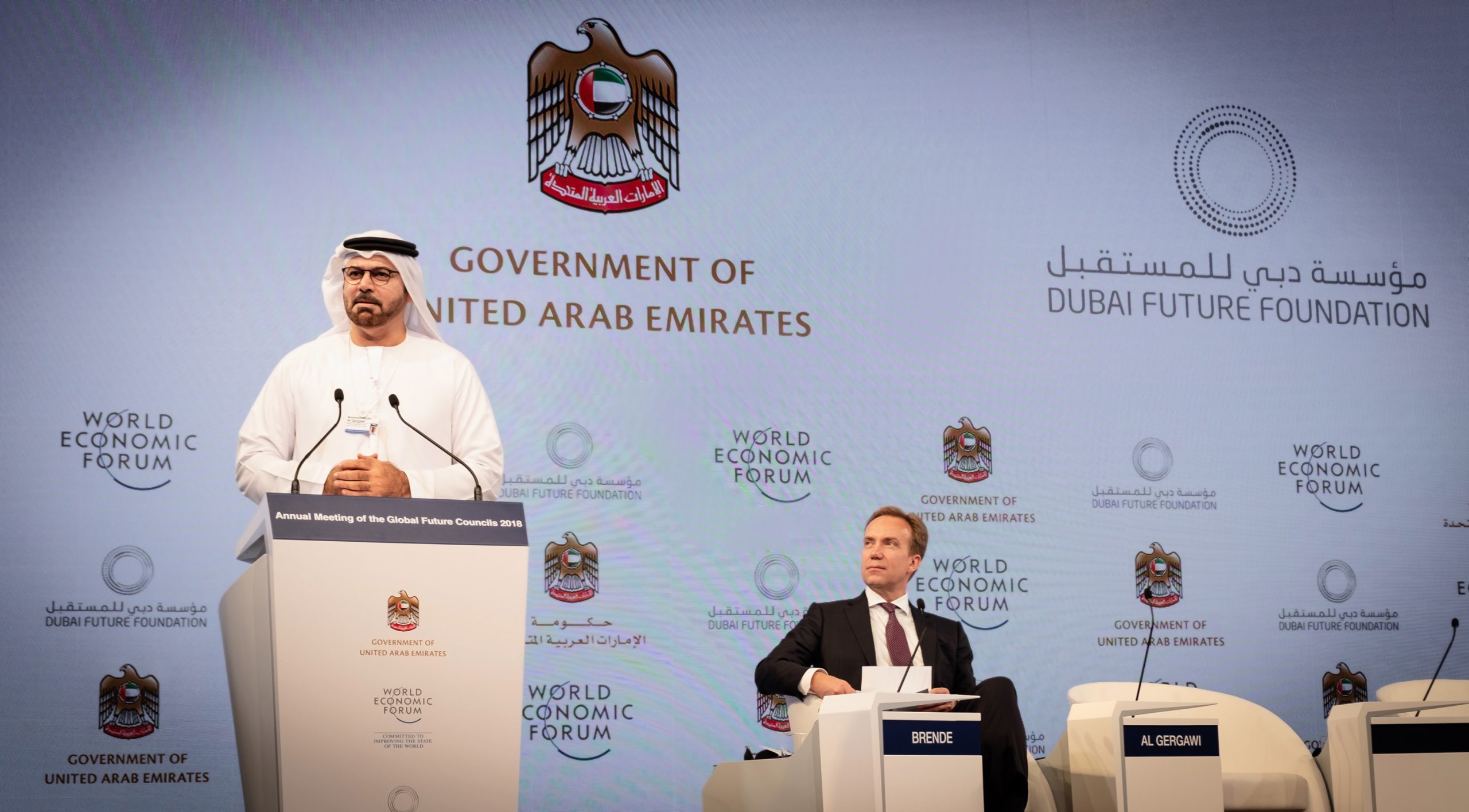
Ali Al Gergawi, a senior official, emphasized the importance of the relationship with the World Economic Forum, stating that it has always focused on creating an inclusive platform for global dialogue centered around humanity’s future. He highlighted the commitment of the UAE’s leadership to fostering international cooperation to collaboratively create a better tomorrow.
Børge Brende, President and Chief Executive Officer of the World Economic Forum, noted that contemporary challenges such as technology, geoeconomics, and environmental issues are interconnected. He underscored that the Global Future Councils uniquely unite experts from various fields to identify new areas for future collaboration.
The 2025–2026 edition will feature 36 councils, bringing together 700 experts from over 580 organizations across 93 countries. The councils have been structured to ensure diverse representation, with one-third of participants being business leaders, one-third thought leaders and academics, and one-third government experts, representatives of international organizations, and civil society.
An introductory meeting was held by the UAE Government and WEF for members of the upcoming edition to inform them about the goals and priorities that will shape the councils’ work over the next two years. Ruqayya AlBlooshi, Executive Director for International Affairs at the UAE Prime Minister’s Office, and Martina Szabo, Head of Knowledge Communities at the WEF, discussed the roadmap for the new councils.
AlBlooshi highlighted the UAE’s crucial role in creating a diverse and impactful network that contributes nearly $8 trillion to global economic value and reaches 683 million people across 158 countries. She remarked on the collaboration between the UAE and WEF over the past 16 years, which has led to the establishment of hundreds of think tanks and convened thousands of experts from 93 countries.
She also noted that hosting the Global Future Councils in the UAE reinforces the country’s status as a global hub for communication and collaboration. AlBlooshi pointed out the councils’ significant impact on global events, particularly their role in shaping global agendas and delivering tangible outcomes, including the Agile Governance council, which helped seven countries adapt to emerging technologies.
Szabo elaborated on the evolution of the councils from their inception as “Global Agenda Councils” in 2008 to their current form as “Global Future Councils.” She outlined their continued importance in influencing key global agendas, including meetings in China, New York, Geneva, and Davos. Szabo emphasized the councils’ new objectives, which include fostering cross-disciplinary collaboration, exploring emerging issues, and establishing evidence-based cooperation between public and private sectors, highlighting their capacity to drive transformative change globally.
Over the last 16 years, the Global Future Councils have convened more than 280 councils, involving over 6 600 members from around 100 countries, including over 1 500 companies, 800 academic institutions, 600 civil society organizations, and 50 international bodies.
Leave a Reply