
The U.S. government is preparing to announce a significant arms deal with Saudi Arabia, which could exceed $100 billion. This agreement, one of the largest in U.S. history, is expected to be revealed during President Donald Trump’s upcoming visit to Riyadh, marking his first foreign trip since taking office. The deal includes advanced weaponry, missile defense systems, and high-tech military aircraft, reinforcing the long-standing military alliance between the two nations.
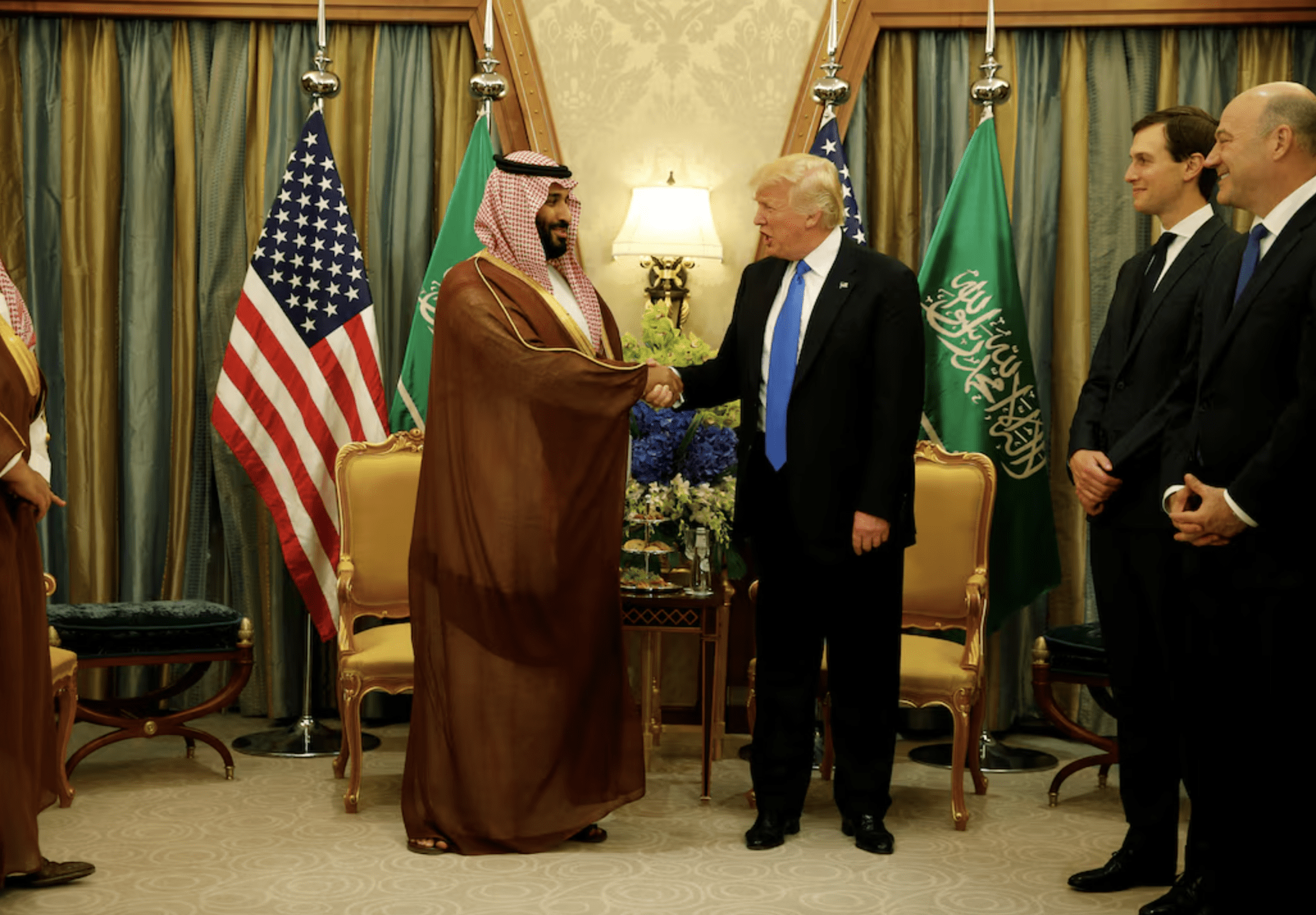
Negotiations for this extensive arms package have taken place over several months, involving American defense contractors, the U.S. government, and Saudi officials. If potential extensions are included, the total value could surpass $350 billion over the next decade. The deal is expected to feature a wide range of military equipment, including tanks, artillery, radar systems, cybersecurity technology, and advanced fighter jets like the F-15. This arms package aims to enhance Saudi Arabia’s military capabilities and counter Iranian influence in the region.
President Trump’s choice to make Saudi Arabia his first foreign destination underscores the importance his administration places on alliances in the Middle East. The Trump administration is taking a markedly different approach from its predecessor, focusing on rebuilding trust and enhancing cooperation with Gulf allies. Saudi Arabia, perceiving Iran as a long-standing adversary, views this arms deal as essential for modernizing its defense forces amidst ongoing conflicts, including the war in Yemen and rising instability in neighboring countries.
The implications of this deal are significant for the United States, both economically and strategically. Economically, it is expected to provide a substantial boost to the American defense industry, benefiting companies such as Lockheed Martin, Raytheon, and Boeing through lucrative contracts. The Trump administration is promoting the deal as a job creation initiative, with President Trump likely to highlight it as proof of his commitment to revitalizing American manufacturing and increasing exports. Strategically, this agreement reinforces the U.S. commitment to its Gulf allies and aims to improve military coordination in combating terrorism and containing Iran’s regional ambitions.
However, critics have raised ethical and humanitarian concerns regarding this large-scale arms transfer. Human rights organizations have condemned Saudi Arabia’s military actions in Yemen, which have resulted in a humanitarian crisis characterized by significant civilian casualties and severe food shortages. The use of American-made weapons in this conflict has sparked international criticism and led to calls for stricter oversight on arms sales to Saudi Arabia. Lawmakers and advocacy groups warn that supplying advanced weaponry could worsen the conflict and hinder efforts for a peaceful resolution.
Despite these concerns, the Trump administration insists that reinforcing Saudi Arabia’s defense is crucial for regional stability. Officials argue that a well-armed Saudi Arabia can act as a barrier against extremism and a vital partner in fighting the Islamic State and other militant groups. Additionally, the U.S. deal is seen as part of a broader strategy to encourage Arab states to take more responsibility for their security, thereby easing the burden on U.S. military forces stationed abroad.

The timing of the announcement is particularly critical. President Trump’s visit to Riyadh is expected to involve high-profile meetings with Saudi King Salman and other senior officials, alongside a larger summit with leaders from the Gulf Cooperation Council. This visit will focus on counterterrorism, economic collaboration, and religious tolerance, with the arms deal being a key aspect of the agenda. The administration aims for the visit and the agreement to reset relations with the Muslim world, which had been strained under the previous administration due to differing views on Iran and U.S. policy in Syria.
Leave a Reply