
The United Arab Emirates (UAE) is set to begin negotiations for a bilateral trade agreement with the United States, aiming to secure lower tariffs on Emirati steel and aluminium products. This decision follows discussions that originated during President Donald Trump’s visit to the Gulf in mid-May, as reported by Reuters.
During the visit, the US and UAE reaffirmed their strong ties and announced several multi-billion-dollar partnerships across various sectors, including advanced technology and critical minerals. This was part of a broader commitment to accelerate a ten-year, $1.4 trillion investment plan that Emirati officials had previously outlined during a visit to Washington in March.
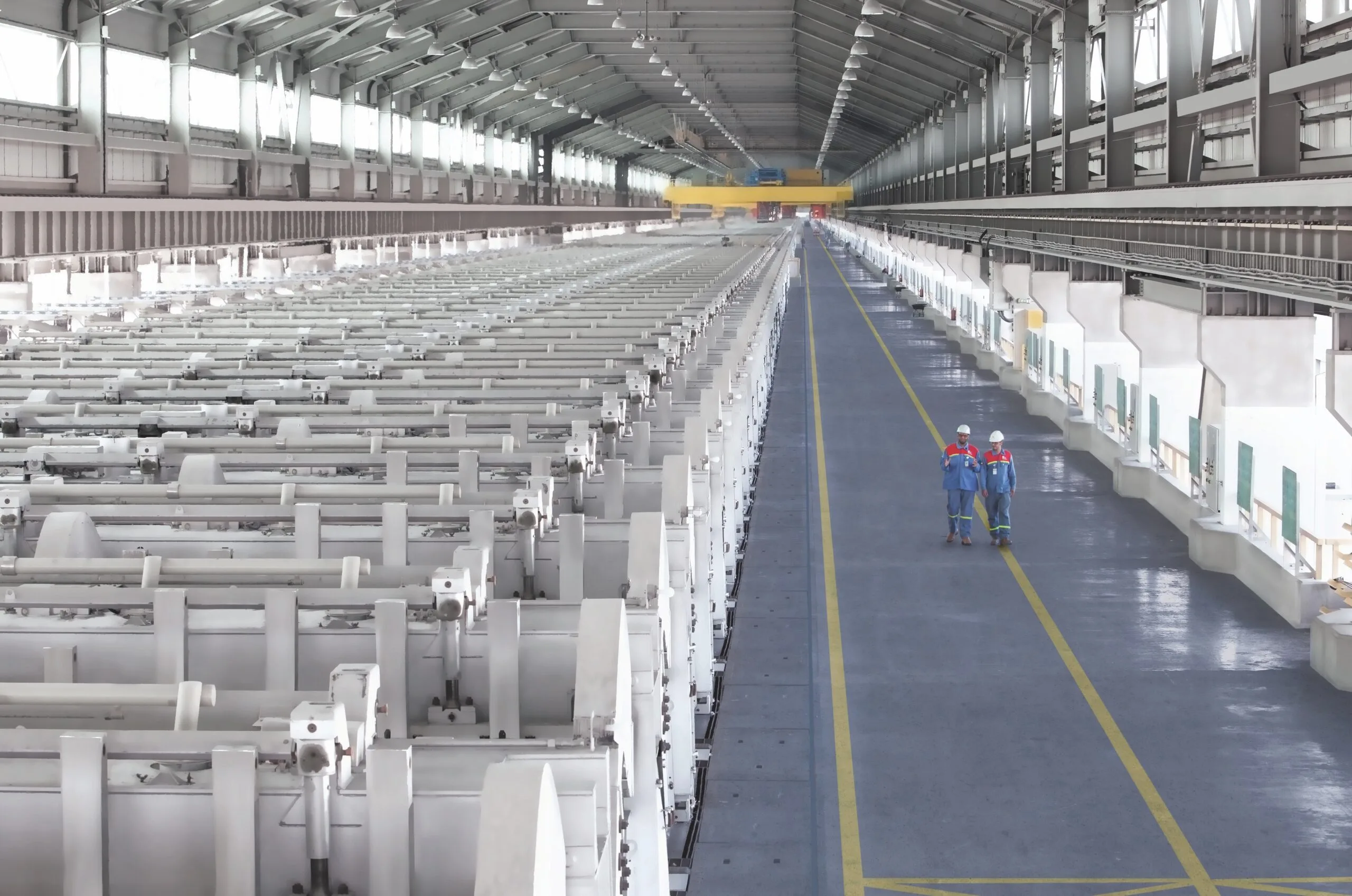
However, the UAE is currently facing a 10 percent universal levy on all imports to the US, along with specific tariffs, which have doubled recently. Originally set at 25 percent, the tariffs on aluminium and steel have significantly increased, affecting Emirati producers who exported nearly 350 000 metric tonnes of aluminium to the US in 2024. The UAE ranks as the second-largest supplier of aluminium to the US, trailing behind Canada, which exported over 3.15 million tonnes, according to the US International Trade Administration.
Analysts have noted that low energy costs in the Gulf Cooperation Council (GCC) region might benefit local aluminium manufacturers despite the challenges posed by US tariffs. While bilateral trade between the UAE and the US increased by 8.5 percent in 2024, reaching $34.4 billion, the US maintains a substantial trade surplus of $19.5 billion with the UAE, which aligns with Trump’s preferences for a favorable balance of trade.
Despite this surplus, businesses in the UAE are feeling the effects of America’s protectionist policies, which have indirect impacts on global supply chains, consumer demand, and oil prices. A recent survey by HSBC revealed that 65 percent of UAE-based companies are experiencing rising costs and a deteriorating outlook due to these tariffs.

In recent years, Emirati officials have prioritized establishing bilateral trade agreements, successfully signing over two dozen comprehensive economic partnership agreements with various countries, including the Republic of Congo and Costa Rica. Negotiations for a similar agreement with the European Union were also resumed in April.
Leave a Reply