
Kuwait’s Warba Bank and Gulf Bank have begun discussions to explore a potential merger aimed at boosting long-term growth and competitiveness in the local Islamic banking sector. The announcement came in separate disclosures to Boursa Kuwait on May 26, leading to a temporary suspension of trading in both banks’ shares for one hour, in accordance with capital markets regulations.
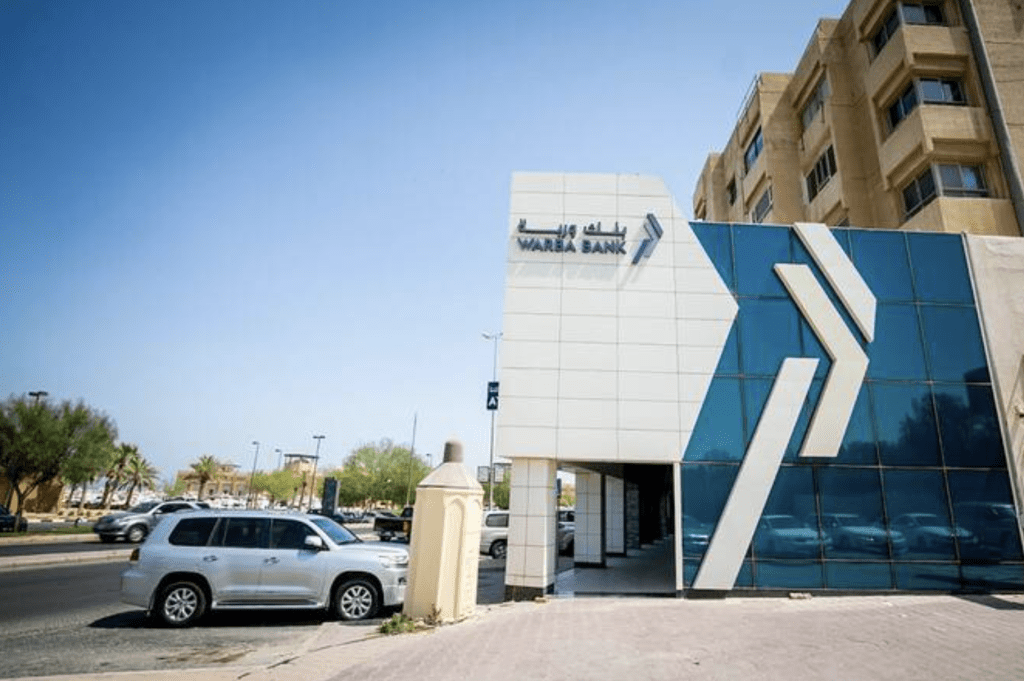
Credit: Arab News
A merger between Warba Bank and Gulf Bank would represent one of the most significant consolidations in Kuwait’s banking industry in recent years. This trend reflects a broader movement among regional lenders seeking mergers to achieve greater scale, enhance efficiency, and adapt to changing regulatory and economic landscapes.
Warba Bank emphasized that the potential merger represents a promising strategic opportunity for growth and expansion. The bank noted that it aims to leverage their combined synergies and capabilities, thereby enhancing competitiveness within the local Islamic banking sector. This initiative comes amid various internal and external challenges stemming from both local and global economic conditions, with the goal of maximizing shareholder and investor value.
As part of the merger process, both banks will conduct a preliminary feasibility study and initiate due diligence to evaluate the integration. The objective is to establish a single banking entity that adheres to Islamic Shariah principles.
The Central Bank of Kuwait was informed about the merger discussions on May 25. Gulf Bank, in its own filing to the bourse, indicated that its chairman had received a request from Warba Bank—one of its significant shareholders—to consider the feasibility of merging the two institutions into a unified entity.
Gulf Bank stated that the proposal was discussed with a focus on exploring new approaches and opportunities for growth and prosperity. This includes analyzing all potential collaborations aimed at achieving sustainable growth and providing added value for the bank, its customers, and investors.
The discussions regarding the merger occur amid a challenging global economic environment characterized by rising trade tensions and market volatility. According to S&P Global Ratings, the banks in the Gulf Cooperation Council (GCC) are well-positioned to withstand external shocks.
In a report titled “GCC banks can cope with the fallout from intensifying trade tensions,” S&P highlighted the region’s strong financial buffers as a safeguard against evolving global risks. The agency stated, “GCC banks appear to be in a good position to withstand these threats,” attributing this resilience to robust liquidity levels, solid profitability, and healthy capitalization.

While the direct effects of trade tensions on GCC economies are anticipated to be limited, S&P warned about potential indirect impacts. For example, a prolonged drop in oil prices could adversely affect fiscal spending and overall sentiment. The ratings agency has revised its average Brent oil price assumption for 2025 to $65 per barrel.
Leave a Reply