
Saudi Arabia’s Public Investment Fund (PIF) has reached out to bond investors for the second time this year, continuing its efforts to invest billions of dollars as part of a strategy to reduce the economy’s dependence on oil. PIF is currently accepting orders for a sale of benchmark-sized, U.S. dollar-denominated seven-year Islamic bonds, known as sukuk, according to a document from an arranging bank.
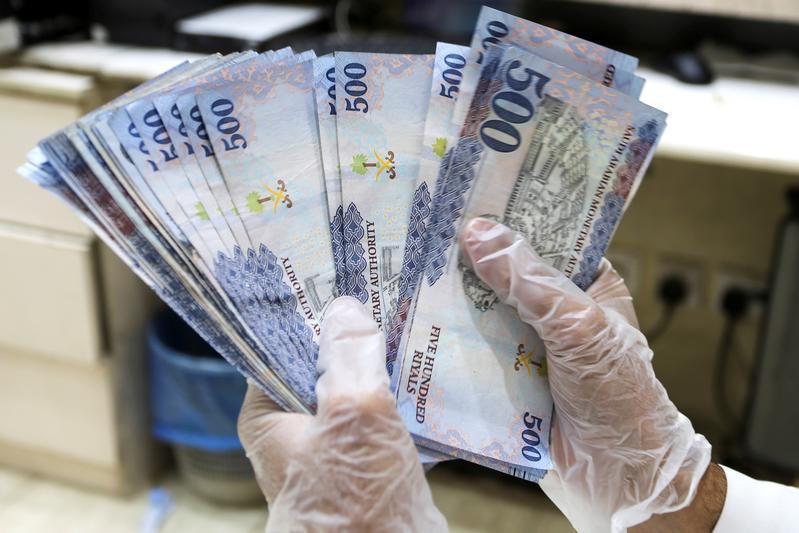
The kingdom’s economy, heavily reliant on oil revenue, is under pressure to either increase debt or decrease spending due to a significant drop in crude prices. This situation complicates the government’s plans to fund an ambitious agenda aimed at diversifying the economy. Economists and the International Monetary Fund have indicated that Riyadh requires oil prices to exceed $90 per barrel to achieve budget balance, while benchmark Brent crude was trading at $63.22 per barrel as of 0750 GMT.
Further complicating matters, Saudi Crown Prince Mohammed bin Salman, who also chairs PIF, has committed to facilitating $600 billion in trade and investment with the United States over the next four years. Additionally, U.S. President Donald Trump has urged Saudi Arabia to invest $1 trillion in the United States. Earlier in January, PIF last accessed the debt markets, raising $4 billion from a two-tranche bond offering.
The indicative pricing for the current sukuk sale has been set around 145 basis points over U.S. Treasuries, as noted in the arrangement document. Despite market volatility stemming from tariff policies, sources revealed that Gulf issuers, including Saudi Arabia’s $925 billion sovereign wealth fund, are preparing for a series of bond offerings.
Leave a Reply