
IndiGo Airlines, India’s largest low-cost carrier, is set to enhance its international operations by launching three new routes to the Gulf Cooperation Council region. These new destinations—Bahrain and Muscat—will connect Kochi, Hyderabad, and Chennai, starting in mid-June 2025. This expansion aligns with the airline’s goal to improve travel connectivity between India and the Middle East, a significant corridor for business, labor, and leisure travel.
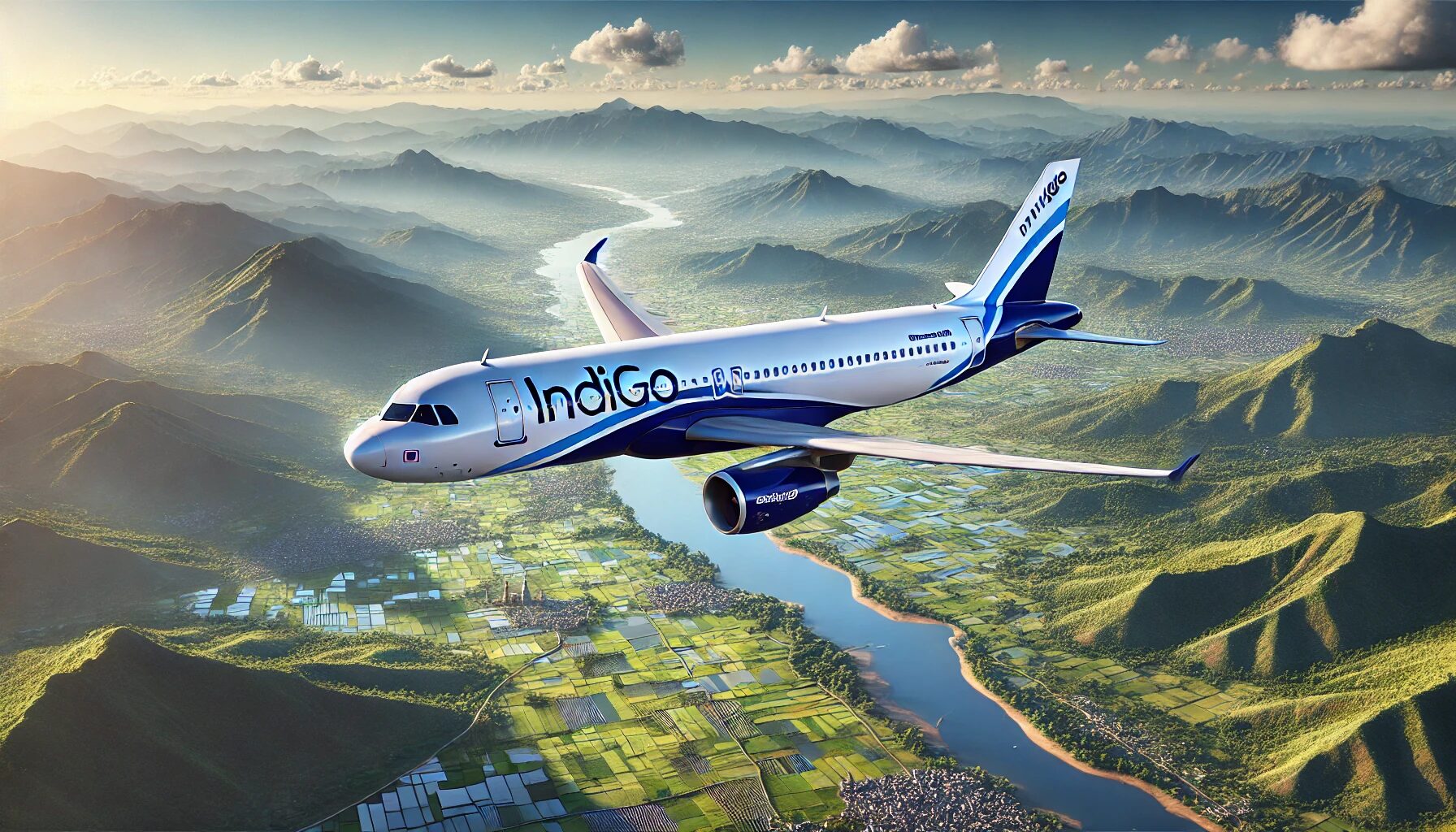
The new routes are part of a broader strategy to increase bilateral travel and improve access for underserved airports. IndiGo aims to tap into the growing tourism and employment sectors between India and the Gulf, enhancing convenience for travelers and stimulating tourism economies in both regions. The airline’s efforts are expected to benefit various stakeholders, including local economies and travelers from southern Indian states.
The first route, a daily nonstop flight from Kochi to Bahrain, will begin on June 15, 2025. This route will provide a crucial link between South India and Bahrain, which has a substantial Indian population.
The introduction of these routes is expected to bolster tourism and business ties between India and the Gulf. The Gulf region has emerged as a vital outbound market for Indian aviation due to strong diaspora connections, remittance-driven labor travel, and increasing tourism interest in destinations such as Bahrain and Oman. IndiGo’s strategic investment in this region emphasizes its focus on market potential and the growing demand for better connectivity from non-metro Indian cities.

In conclusion, the launch of these new routes signifies a transformative phase in Indian aviation, with secondary cities like Kochi, Chennai, and Hyderabad gaining prominence as international gateways. The expansion will create more opportunities for travelers and boost the tourism industry on both sides of the corridor, contributing to a more interconnected regional travel landscape.
Leave a Reply