
A new collaborative effort between the UAE and the United States seeks to produce gallium, a chemical element essential for semiconductor manufacturing, in Abu Dhabi. This initiative aims to alleviate the reliance on China, which currently dominates the gallium supply and pricing.
Industry experts indicate that establishing manufacturing plants for gallium will take years and will require technology and expertise that are largely restricted to China at present. The success of this project is closely linked to the ongoing geostrategic rivalry between Washington and Beijing, which influences demand and pricing for this vital metal.
The initiative was announced during President Donald Trump’s visit to the Gulf in May and is centered on Emirates Global Aluminium (EGA), a company jointly owned by the governments of Abu Dhabi and Dubai. Gallium plays a crucial role in producing gallium arsenide and gallium nitride, materials used in solar cells, high-speed transistors, and Light Emitting Diodes (LEDs).
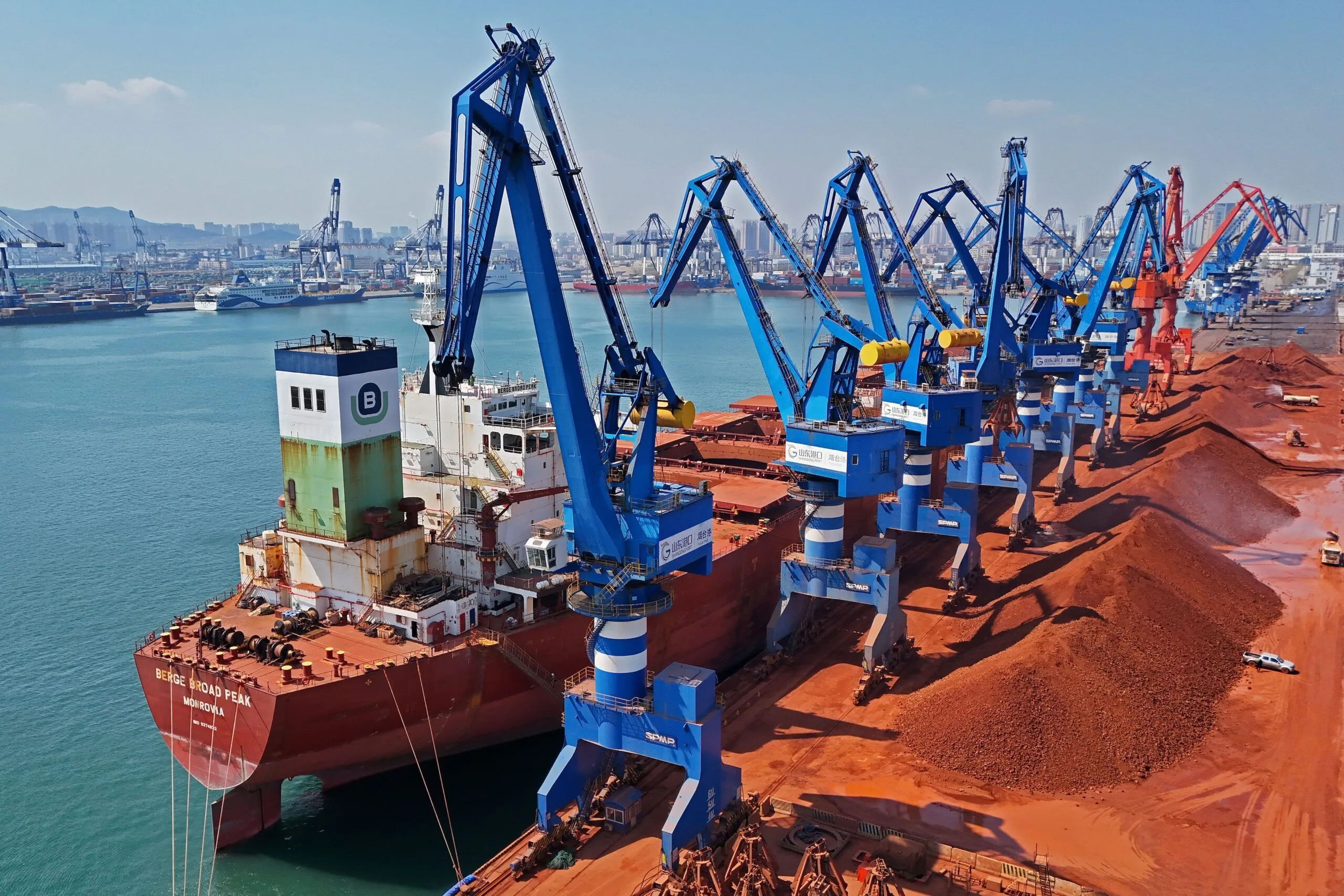
Gallium is not found in its free form in nature; it is extracted as a byproduct of aluminum or zinc mining and is present as a trace element in bauxite, the primary ore for aluminum. According to Willis Thomas, who leads Bespoke Services and Special Reports at the commodity research company CRU Group, China’s limitations on gallium exports and the increasing demand for the metal necessitate diversifying production sources.
“A non-integrated China means that you need a lot more capacity, and [the EGA project] is an extremely good idea,” Thomas stated. He emphasized that despite the challenges, there will still be a significant market need for new gallium supply.
In 2022, only about 760 metric tonnes of gallium were produced, with a total market value in the hundreds of millions of dollars. The metal is crucial for various technologies, powering devices from smartphones to rare earth magnets, which are vital in the aviation and automotive sectors, as well as defense applications.
China currently produces nearly all of the world’s gallium but imposed export restrictions through a licensing system in 2023 and banned exports to the US at the end of the previous year. Additional restrictions on gallium-based and other rare earth magnets were introduced in early April, escalating tensions in trade relations with the US.
This situation has led to shortages and concerns among governments and companies in Europe and Asia, as reported by The New York Times and Reuters. Johnny Lazar, a principal consultant at CRU, pointed out that while there is a pressing need for changes in the gallium supply chain, the high capital costs associated with establishing a refinery can deter investment, especially given China’s capability to flood the market with cheaper gallium.
However, the UAE is well-positioned to pursue this strategic initiative, even amid uncertain economic conditions. As gallium prices surge outside of China, the partnership involving EGA, US defense conglomerate RTX (formerly Raytheon), and the Emirates’ military procurement authority, Tawazun Council, aims to establish the UAE as “the world’s second largest producer” of gallium, according to a May press release.
In recent months, two additional projects to extract and refine gallium have been announced in the Western Hemisphere. One is a joint venture in Canada between British-Australian company Rio Tinto and the US’s Indium Corporation, while the other, from Greece’s Metlen, aims to meet the European Union’s demand for 50 metric tonnes annually by 2028.
Despite the promising prospects for the Abu Dhabi-based project, its success largely hinges on China’s export restrictions on gallium. Solomon Cefai from the global price reporting agency Fastmarkets called the potential for significant gallium production outside of China “exciting” but warned that China might increase its exports again, leading to an oversupply and reduced prices in international markets.

Producers will also need to acquire the technical expertise and technology necessary to manufacture gallium economically and at scale, a daunting challenge if China follows through with threats to impose further export controls on critical technologies.
Leave a Reply