
Saudi Arabia is preparing to welcome over one million haj pilgrims this year, despite the extreme summer heat that has historically posed significant risks in Mecca. The city is notorious for its intense desert temperatures, which have previously led to deadly incidents. To protect the large influx of worshippers, the authorities have combined traditional cooling methods with advanced artificial intelligence (AI) technologies.
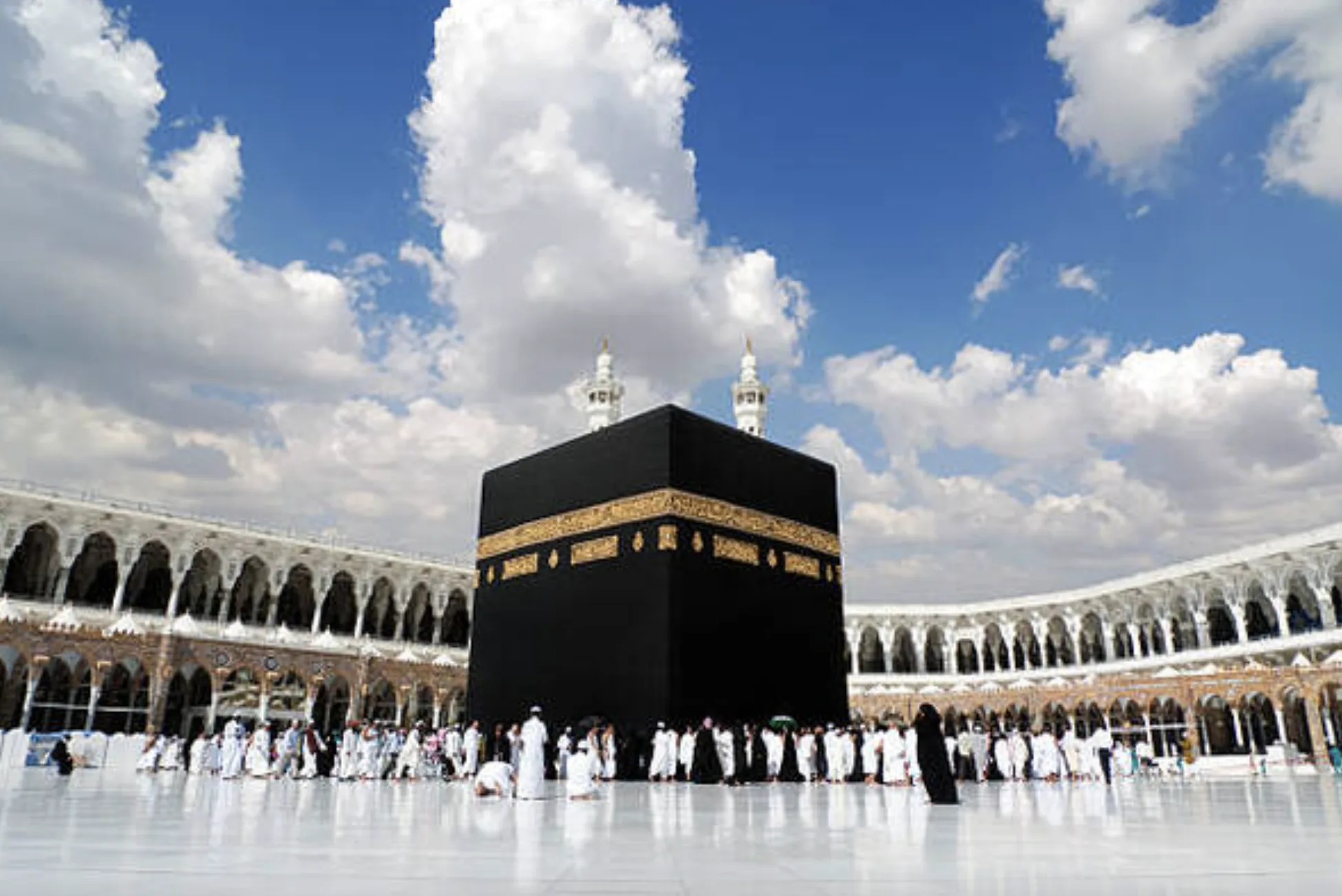
The Ministry of Haj has prioritized mitigating the effects of severe heat ahead of the pilgrimage. This decision follows last year’s tragedy, where a heatwave pushed temperatures to nearly 52 degrees Celsius (125 degrees Fahrenheit) and resulted in the deaths of more than 1 300 pilgrims. The devastating toll highlighted the urgent need for comprehensive heat management strategies to safeguard those participating in the religious observance.
In response to these challenges, Saudi officials have coordinated efforts across more than 40 government agencies and deployed 250 000 personnel to ensure safety and crowd control. Infrastructure improvements include expanding shaded areas by 50 000 square meters (approximately 12 acres), deploying thousands of additional medical workers, and installing over 400 cooling units throughout pilgrimage sites. These measures aim to alleviate the oppressive heat and provide relief to the pilgrims during their demanding rituals.
Innovation plays a vital role in this year’s preparations. An AI-powered tool has been introduced to predict biological age by analyzing selfies, allowing medical teams to monitor the health and vulnerabilities of individuals in real time. Additionally, upgrades around the Grand Mosque have involved resurfacing asphalt with special coatings designed to lower surface temperatures, creating a cooler and safer environment for the millions of visitors.
As of this week, over one million pilgrims from around the globe have already arrived in Saudi Arabia, with more expected to join before the pilgrimage officially begins on June 4. Last year, the holy city hosted 1.8 million pilgrims, making it one of the largest religious gatherings worldwide.
Saudi authorities are also utilizing advanced AI technology to manage the vast amounts of data generated during the event. A new fleet of drones, equipped with high-definition cameras, will monitor crowd movements and safety conditions from the air. This footage will be analyzed by AI systems capable of quickly detecting risks or emergencies.
Managing such enormous crowds has been a complex challenge. In 2015, a tragic stampede resulted in approximately 2 300 deaths, marking one of the deadliest incidents in haj history. Since then, Saudi Arabia has invested significantly in infrastructure and safety protocols to prevent similar catastrophes from occurring.
Part of these safety efforts involves controlling the number of pilgrims entering Mecca. Saudi officials have intensified checks to prevent unauthorized individuals from participating in the haj. Last year, over 80 percent of the deaths during the pilgrimage involved those without official permits, which denied them access to essential services like air-conditioned tents and proper medical care.
Haj permits are distributed to countries based on a quota system and then allocated to individual pilgrims through a lottery process. However, the high costs associated with securing official permits drive some to attempt the pilgrimage without authorization, despite the risks of arrest and deportation.
To combat this issue, Saudi authorities have conducted targeted raids, launched extensive media campaigns, and increased fines for violators. Penalties for unauthorized participation include potential bans of up to ten years from entering the kingdom, reflecting the seriousness with which officials are addressing the problem.
This year’s pilgrimage will last at least four days, with most rituals taking place outdoors. As one of the five pillars of Islam, the haj is a mandatory religious duty that all Muslims who are physically and financially able must undertake at least once in their lifetime.
In recent years, the timing of the haj has coincided with Saudi Arabia’s hottest months, exposing pilgrims to extreme heat while they perform physically demanding rites. The combination of tradition, religious devotion, and climate challenges has made the Saudi government’s safety measures more critical than ever.

With this comprehensive approach—combining infrastructure improvements, AI innovation, strict permit enforcement, and extensive logistical coordination—Saudi Arabia aims to ensure the safety and well-being of millions of haj pilgrims despite the harsh summer conditions. The world will be watching as this monumental event unfolds under one of the planet’s most extreme climates.
Leave a Reply