
UAE universities have made significant strides in the latest global higher education rankings, with Harvard University maintaining its top position for the 14th consecutive year. The Centre for World University Rankings (CWUR) for 2025, released on Monday, highlights the increasing prominence of UAE institutions in the international academic landscape.
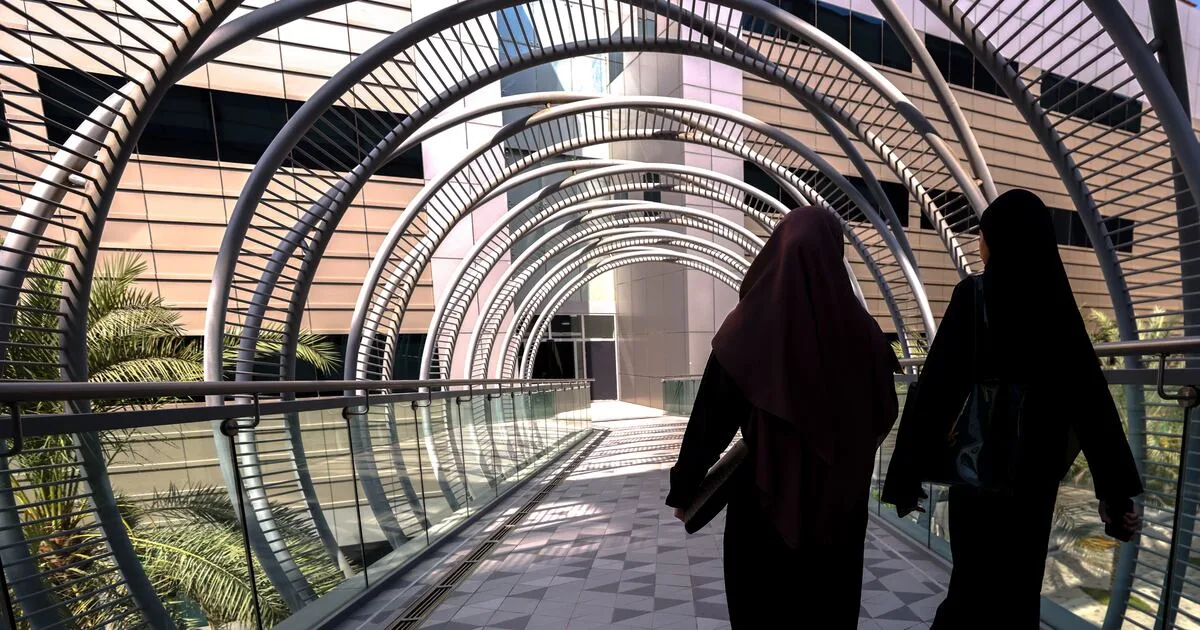
Khalifa University in Abu Dhabi topped the UAE list, climbing 30 places to achieve 846th out of 21 462 higher education institutions evaluated. This achievement places Khalifa University in the top 4 percent of universities worldwide and ranks it as the 10th best in the Middle East based on factors such as education quality, employability, faculty quality, and research output.
United Arab Emirates University also showed remarkable improvement, moving up 91 places to 1 022, ranking in the top 4.8 percent globally. The University of Sharjah climbed 161 places to 1 092, putting it in the top 5.1 percent, while New York University Abu Dhabi reached 1 116, which is in the top 5.2 percent. The CWUR noted that the strong research performance of these universities was a critical factor in their rise in rankings.
Nadim Mahassen, president of the CWUR, acknowledged the advancement of UAE universities, stating, “With four of its institutions in the rankings, the United Arab Emirates is well represented among the world’s top universities.” He emphasized that further financial support and an increased focus on education and science development would enhance the country’s competitiveness in the rapidly changing global academic environment.
King Abdullah University of Science and Technology emerged as the top performer in the region, advancing to 237th from 249th last year. Another Saudi institution, King Abdulaziz University, also made notable progress, breaking into the top 250 by rising from 254th to 249th.
Senthil Nathan, managing director and co-founder of Edu Alliance, a higher education consultancy in the UAE, pointed out that this ranking underscores the importance of universities in preparing students for the workforce. He explained that the CWUR rankings do not rely on surveys or university data submissions, with 50 percent of the assessment based on the success of alumni.
Nathan, who previously served as deputy vice chancellor of the Higher Colleges of Technology in Abu Dhabi, noted that the CWUR evaluates the average number of former students in senior roles at the world’s largest public companies since 2011. He acknowledged that while the improvement in rankings for four UAE universities is commendable, their CWUR standings may appear lower compared to other ranking systems due to the way alumni success is measured. He highlighted that both Khalifa University and NYUAD are relatively young institutions, having graduated students for less than 15 years.
The UAE government has implemented various initiatives to enhance higher education standards in recent years, with the aim of competing globally. In June 2024, the UAE announced plans for regular assessments of local universities, clustering them based on performance. This assessment will include both public and private institutions, considering factors such as teaching quality, student life, employability, scientific research, and international collaboration.
In the broader context, Harvard University, which has faced scrutiny over its admissions practices and a proposed ban on enrolling foreign students by the Trump administration, continues to lead the rankings. Harvard, along with MIT and Stanford, represents the top three universities, while the UK’s renowned institutions, Cambridge and Oxford, round out the top five.

Mahassen expressed concern over the overall decline of many US universities, suggesting that this trend should be a priority for US Secretary of Education Linda McMahon and the Trump administration. He noted that as Chinese universities gain prominence due to substantial government support, American institutions are challenged by reduced federal funding and ongoing debates over academic freedom. The shifting landscape raises questions about the future standing of US universities in global higher education rankings.
Leave a Reply