
The UAE economy is experiencing a significant transformation in investor behavior, predominantly driven by a digital youth demographic. This group engages with the markets through smart applications and financial influencers, amidst a surge of economic news. Despite their high technical skills, there is a concerning gap in their foundational knowledge of risk management and making informed investment decisions that needs to be addressed.
Data from “Digital 2024” indicates that 99% of the country’s population uses the internet, with individuals spending over eight hours daily online, including approximately three hours on social media platforms. This highlights a deep connection with digital technologies.
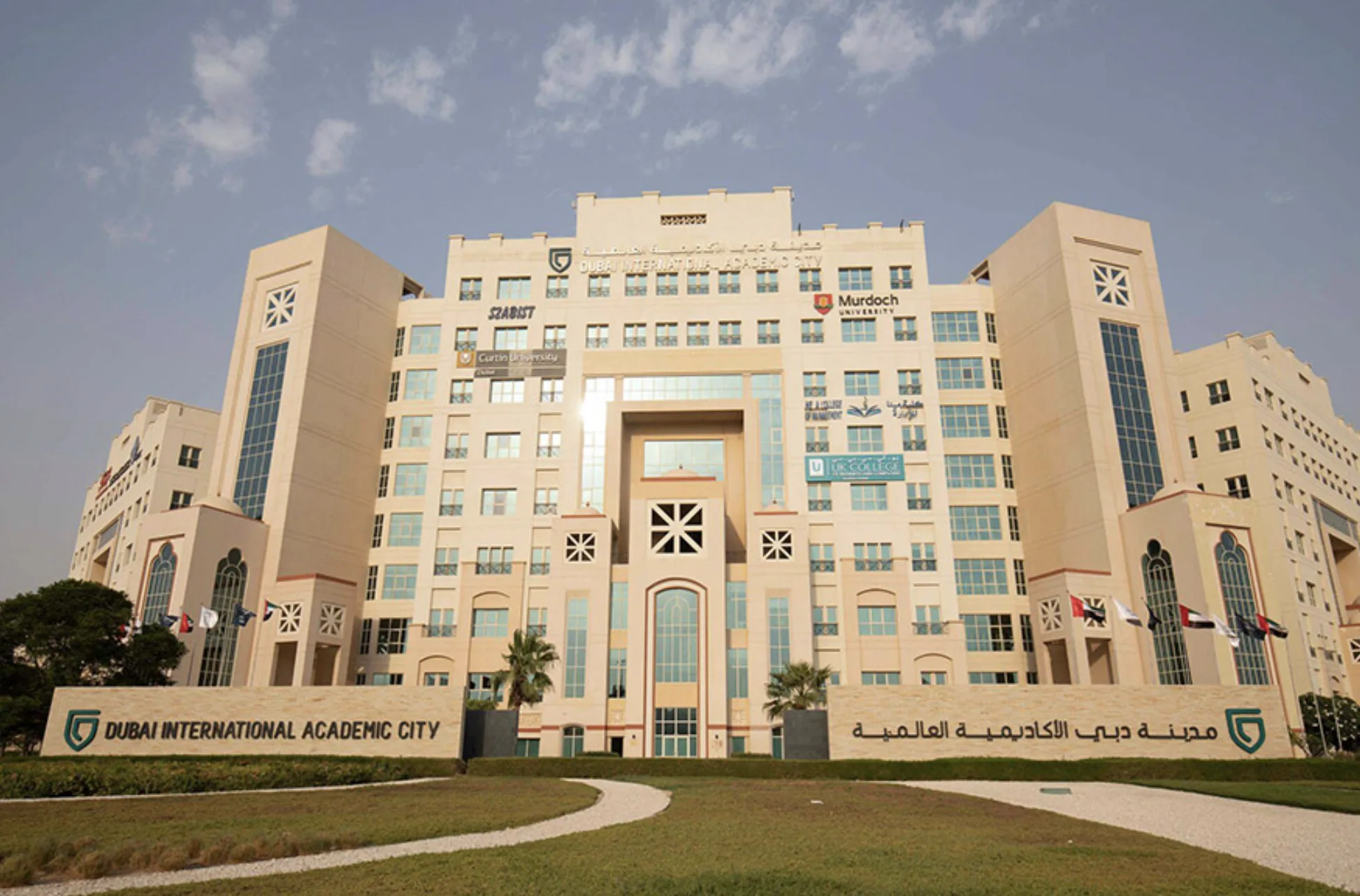
However, a recent study conducted by Visa in 2024 revealed that while 75% of participants have a good understanding of their credit scores, only 33% fully grasp how interest rates affect their financial situation. This discrepancy calls for a strategic initiative, leading to the establishment of the “Dubai Financial Academy” as a national institution for financial education in collaboration with several universities. The academy will offer specialized programs covering financial and technical analysis, governance, sustainable finance, and behavioral economics, providing recognized certifications that enhance the readiness of individual investors and prepare them professionally.
This proposal coincides with the launch of a dedicated national economic channel that will serve as an informative media platform, delivering simplified analyses and real-time visual reports to improve public understanding of market movements and economic policies.
Economically, a moderate reduction in uncalculated individual losses could save approximately 2 billion dirhams annually. This estimate is based on an average annual loss of around 4,000 dirhams per individual, affecting about 500 000 investors. Conversely, attracting 100 000 new investors and training them could inject over 10 billion dirhams into the economy, assuming each investor contributes 100 000 dirhams.

These initiatives align with the Dubai Economic Agenda “D33,” which aims to build a knowledge-based economy, empower national talents, and increase individual contributions to the GDP. They also resonate with the national agenda’s spirit of enhancing financial inclusion and developing human capital, drawing inspiration from successful global models such as the Kuwait Stock Exchange Academy, the Singapore Financial Education Institute, and the U.S. Financial Industry Regulatory Authority (FINRA).
Leave a Reply