
Abu Dhabi is emerging as a key player in the global industrial manufacturing sector, positioning itself to become a strategic industrial powerhouse. This transformation reflects a bold vision, disciplined execution, and targeted investments, particularly through the Abu Dhabi Industrial Strategy 2031 (ADIS). The strategy aims to double the manufacturing sector’s contribution to the emirate’s GDP by the year 2031.
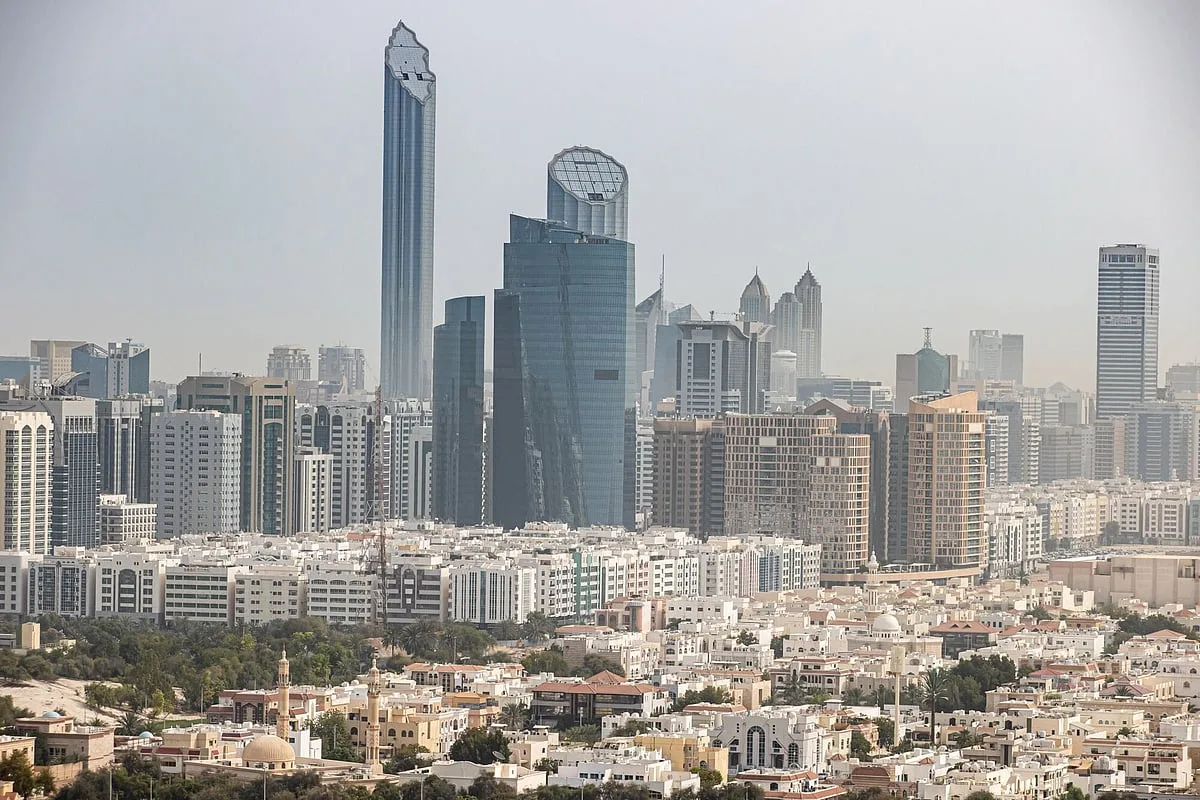
The emirate is focused on establishing itself as a globally competitive base for digitally advanced and sustainable manufacturing. Recent data shows that in 2024, the manufacturing sector contributed Dh111 billion to GDP, marking an increase of 2.7%. This places Abu Dhabi among the most productive industrial economies in the region on a per capita basis. Furthermore, non-oil exports rose by 15% to reach Dh107 billion, while the number of active industrial establishments grew by 10% to over 1,100. Notably, industrial by-product recovery surged by an impressive 200%, and ADIS catalyzed an additional Dh3.5 billion in investments last year.
Abu Dhabi’s industrial ecosystem is characterized by strategic foresight, sustainability, and a strong emphasis on high-value capabilities. The emirate distinguishes itself by efficiently translating ambition into actionable results, offering world-class infrastructure, competitive operating costs, and a stable macroeconomic environment. As global manufacturers increasingly look to relocate production closer to high-growth markets, Abu Dhabi provides a compelling solution that aligns with sustainability goals and is supported by pro-industry initiatives.
The emirate’s integrated industrial zones facilitate seamless multimodal logistics and reliable utilities, enhancing the investor experience and enabling businesses to scale effectively. Energy tariff and land rebate programs have contributed to reduced input costs, further driving expansion. The In-Country Value (ICV) framework alone resulted in Dh48 billion in local supplier spending in 2024, retaining economic value within the nation and bolstering local capabilities.
Looking forward, Abu Dhabi is committed to investing across the entire industrial value chain, focusing on integrating Industry 4.0 technologies, shifting to sustainable materials, and fostering research and development as well as skills development. Clusters such as Smart and Autonomous Vehicle Industries (SAVI), Health, Endurance, Longevity, and Medicine (HELM), along with AgriFood Growth & Water Abundance (AGWA), are designed to create innovation ecosystems that bring ambitious ideas to fruition.
Additionally, through an expanding Comprehensive Economic Partnership Agreement (CEPA) network, manufacturers based in the UAE gain preferential access to markets that represent over 2.5 billion consumers. This, combined with a stable business environment, $1.7 trillion in sovereign capital, and a progressive regulatory framework, provides Abu Dhabi with a unique advantage in stability and scale.
The Abu Dhabi Investment Office (ADIO) plays a vital role in this growth, aligning policy with industry needs, unlocking opportunities, and supporting companies from market entry to long-term expansion. As highlighted at this year’s Make it in the Emirates Forum, Abu Dhabi is not merely waiting for the future of industry; it is actively building it with determination and speed.
The industrial race of the 21st century is well underway, and the ecosystems that can effectively convert vision into execution will emerge as the winners. Abu Dhabi is prepared to lead the charge, inviting the world’s industrial leaders to join in this journey of growth and innovation.
Leave a Reply