
Oman is set to modernize and expand its national grid to accommodate a significant increase in green energy needs associated with various smart city and sustainable urban development projects currently underway in the Sultanate. The Oman Electricity Transmission Company (OETC), which is predominantly state-owned, has announced plans to upgrade its Electricity Transmission Master-Plan to cover the 2025 to 2040 timeframe, considering the clean energy demand projections from these important urban initiatives.
OETC highlighted that the new master plan aims to ensure resilience, reliability, efficiency, and adaptability to future energy needs. It will include load forecasting and renewable energy integration plans, as well as green hydrogen integration, transmission expansion planning, ancillary services analysis, and economic and environmental assessments. The plan will also explore potential cross-border interconnections, as noted in its latest Annual Transmission Capability Statement.
The master plan anticipates substantial growth in clean energy demand driven by various sustainable smart cities being developed under the guidance of the Ministry of Housing and Urban Planning, in alignment with Oman Vision 2040. OETC stated that these urban projects are designed to boost economic growth, sustainability, and quality of life by integrating smart infrastructure, green energy, and advanced technology.
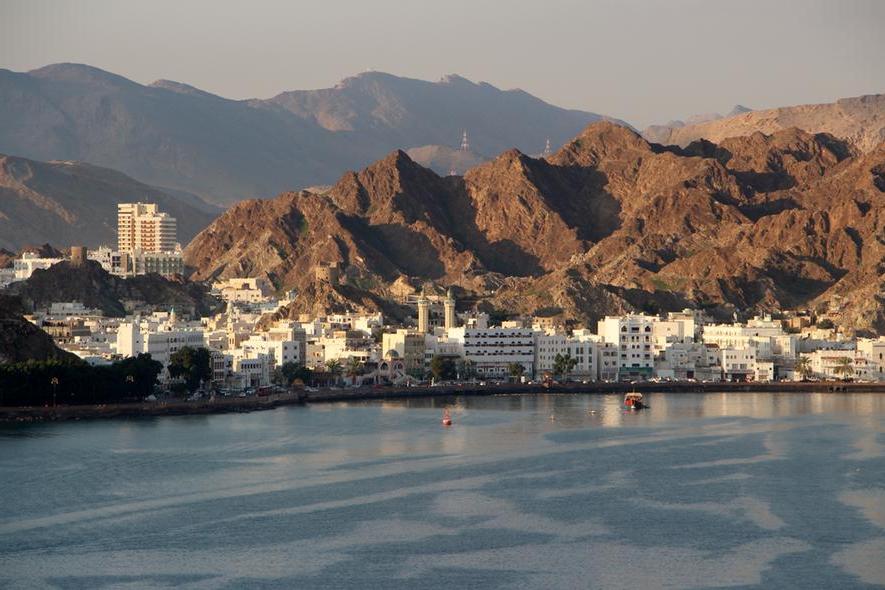
Leading the energy demand projections is the Greater Muscat Structure Plan, an ambitious urban development initiative expected to require a massive 5 gigawatts (GW) of clean energy by 2040. This extensive metropolitan area, covering 1360 square kilometers, is also set to attract investments in renewable energy, AI-driven urban services, and improved transport connectivity.
Sultan Haitham City, envisioned as Oman’s first fully smart city, is projected to demand around 105 megawatts (MW) by 2040. Spanning 14.8 million square meters, the city will consist of 19 integrated neighborhoods, developed in four phases over 22 years from 2024 to 2045, ultimately housing over 100 000 residents. The city will feature net-zero buildings, digital infrastructure, and electric transport options.
In the Dhofar Governorate, the Greater Salalah Structure Plan plans to create a regional trade and tourism hub focusing on green infrastructure and wind energy integration, with an estimated energy demand of over 200 MW by 2040. Similarly, the Greater Nizwa Structure Plan aims to expand the historic city with an emphasis on water management and eco-tourism, projecting a clean energy demand exceeding 400 MW by 2040.
The Ibri Structural Plan, which focuses on establishing a logistics and renewable energy hub supporting solar and wind power projects, estimates clean energy needs at more than 350 MW by 2040. In Suhar, a new smart industrial and residential city is being developed, expected to require over 240 MW by 2040 to enhance Oman’s role as a trade and logistics center.

OETC emphasized its critical role in integrating these smart cities into a reliable, efficient, and future-ready power grid. Key integration areas include expanding transmission networks to support renewable energy sources such as solar and wind, establishing smart Electric Vehicle (EV) charging infrastructure, and enhancing grid capacity to accommodate urban growth.
Leave a Reply