
The Sultanate of Oman is poised to deliver 62 800 new residential real estate units by the year 2030, with 5 500 of these units scheduled to enter the market this year. This information comes from a recent report by Cavendish Maxwell, which aligns with the country’s strategic vision for housing development.
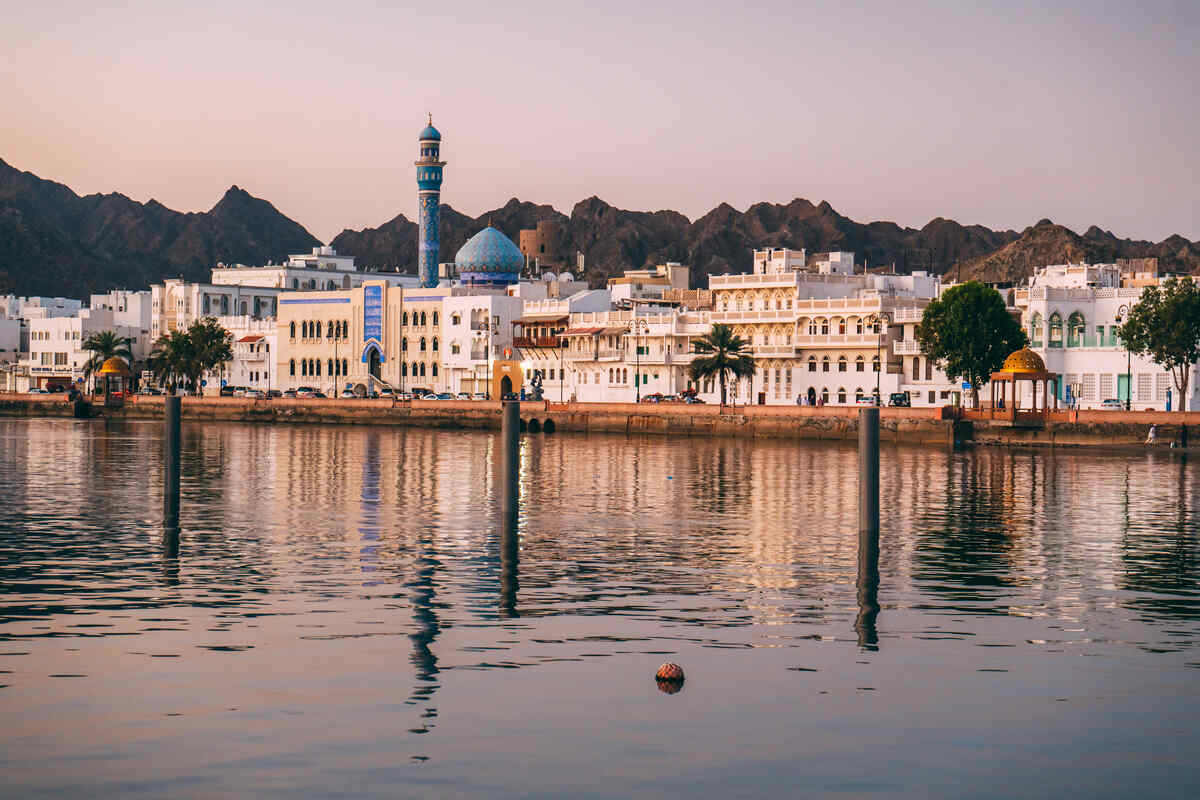
In addition to residential units, Oman is planning to add 5 800 hotel rooms to its existing inventory over the next five years. This expansion will include the opening of 35 new hotels and resorts by 2030, enhancing the current hotel room supply by approximately 25 percent.
The residential real estate inventory in Oman increased by 3.6 percent in 2024, with 38 400 new homes delivered, bringing the total supply to around 1.1 million units. The majority of this residential supply is concentrated in Muscat, followed by Al Batinah North and South, as well as Dhofar.
Oman’s Vision 2040 aims to increase the contribution of non-oil sectors to 90 percent of the economy by 2040. The country’s population, currently at 5.3 million, is projected to rise to 7.7 million, driven by an influx of both Omani nationals and expatriates. It is estimated that over 80 000 new homes will need to be delivered between now and 2040 to meet this growing demand.
Khalil Al Zadjali, Head of Oman at Cavendish Maxwell, emphasized that “Vision 2040 is not just a plan – it’s a commitment to a sustainable, knowledge-driven, globally competitive future.” He noted that stimulating investment in the real estate sector will be crucial as the country advances with the 2040 agenda. Al Zadjali also stressed the importance of government-led initiatives to attract both foreign and local investment to ensure long-term housing market resilience. Proactive planning will be vital to avoid potential shortfalls in supply, particularly if demand exceeds projections.
Despite the anticipated growth in new housing developments, Oman’s fast-growing population may lead to a future shortfall in residential property, according to Cavendish Maxwell. The report suggests that an additional 340 000 new homes will be required to maintain a sustainable occupancy rate of 90 percent. Currently, the occupancy rates in Oman’s residential market are stable, averaging 85.2 percent across all types of units. Villas and traditional Arabic houses maintain a slightly higher occupancy rate of 87.5 percent, while apartments average 80.8 percent, with a 3 percent increase in occupancy levels for apartments in 2024 compared to the previous year.
Branded residences are becoming increasingly popular in Oman’s real estate market, appealing to investors and buyers looking for premium living options. Prices for these high-end properties vary by brand and location. For instance, La Vie by Tivoli Hotels and Residences offers prices between OMR 1,300 and 1,500 per square meter, while St. Regis by Marriott ranges from OMR 2,100 to 2,400, and Mandarin Oriental-branded residences are priced at OMR 2,400 to 2,600.

Integrated Tourism Complexes (ITCs) are also expected to significantly influence the future of Oman’s real estate sector. These complexes allow non-Omani nationals to own freehold properties and offer competitive pricing compared to other regions in the GCC, along with similar rental yields. In line with Vision 2040, ITCs are designed to bolster the economy and diversify the real estate landscape. Several ITCs are currently under development in strategic locations such as Muscat, Dhofar, South Al Batinah, South Al Sharqiyah, and Musandam.
Leave a Reply