
Dubai International Financial Centre (DIFC) has initiated the ‘1 Million Learners’ program as part of the DIFC Sustainable Finance Catalyst. This ambitious initiative aims to provide knowledge in sustainability and sustainable finance to one million individuals by the year 2030. The announcement was made at the Dubai FinTech Summit, which was hosted by DIFC at Madinat Jumeirah.
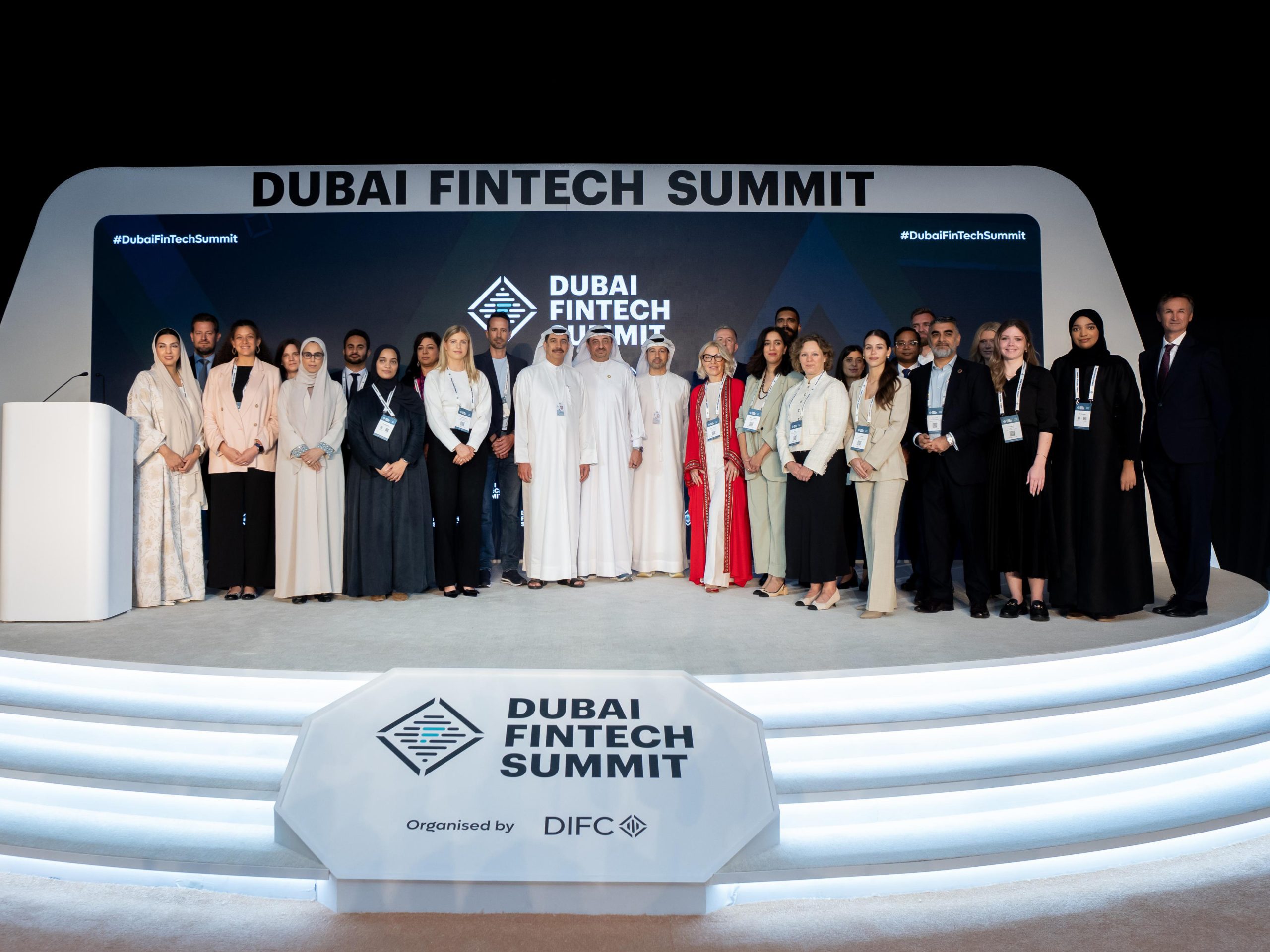
Arif Amiri, Chief Executive Officer of DIFC Authority, emphasized the significance of this initiative, stating, “DIFC is proud to be leading the way in advancing sustainability in the region. The ‘1 Million Learners’ initiative is a testament to our belief that real impact begins with education.” He highlighted the collaboration with valued partners to make sustainability knowledge more accessible, reinforcing the region’s role in global sustainable transformation.
The initiative is supported by a coalition of 28 founding partners, which includes prominent organizations committed to enhancing sustainability knowledge. Among these partners are AICPA & CIMA, C3, Candriam, the Cambridge Institute for Sustainability Leadership, and the Clean Energy Business Council, along with others such as Emirates NBD and the United Nations Development Programme.
In partnership with these organizations, DIFC aims to transform the delivery of sustainability education at scale, preparing a new workforce equipped to facilitate meaningful change. To ensure measurable outcomes from the program, DIFC has appointed GIST Impact as its impact partner. This organization specializes in total impact assessment and has over 17 years of experience in evaluating environmental, social, and economic outcomes.
GIST Impact employs science-based methodologies that align with global standards, including the UN Sustainable Development Goals (SDGs) and the Corporate Sustainability Reporting Directive (CSRD). This partnership will be crucial in assessing the impact of the ‘1 Million Learners’ initiative and effectively communicating its progress to stakeholders. GIST Impact’s ability to translate social outcomes, like improved access to education, into measurable insights will be key to ensuring the initiative benefits communities, especially in underserved areas.
Leave a Reply