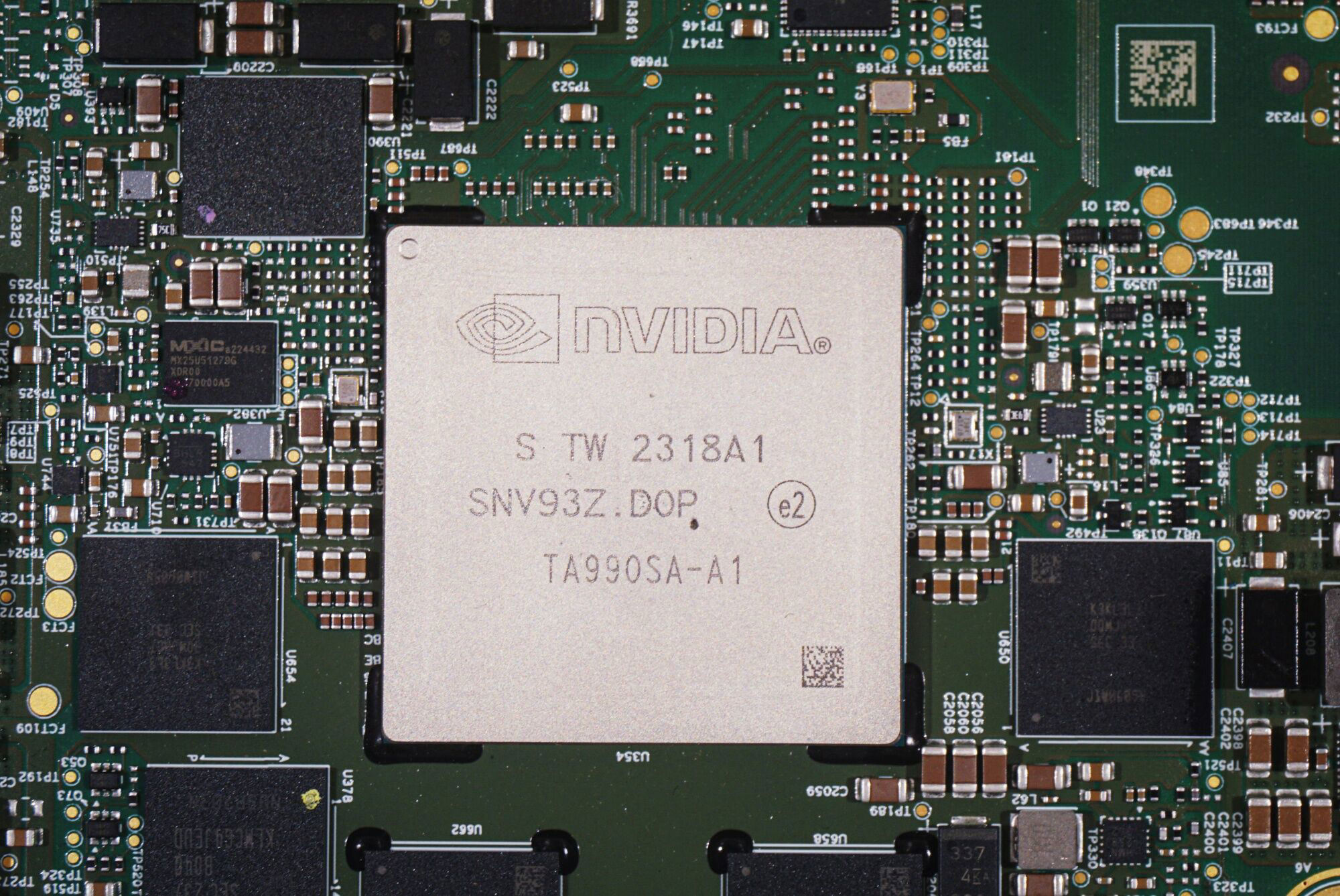
The Trump administration is contemplating a deal that would enable the United Arab Emirates to import more than a million advanced Nvidia Corp. chips. This quantity significantly exceeds limits set under the Biden-era AI chip regulations, raising concerns about the potential risks of American hardware being accessed by China.
According to sources familiar with the discussions, one of the beneficiaries of this deal could be OpenAI, which may announce new data center capacity in the UAE soon. However, the negotiations over the specifics of the deal remain fluid, indicating that the final arrangements are still under consideration.
If the agreement proceeds, G42 could acquire computing capabilities equivalent to between 1 million and 1.5 million H100 chips, which are Nvidia’s top offering. This figure is about four times more than what G42 would have been permitted to buy under the Biden administration’s AI diffusion export control framework, which Trump intends to eliminate. The volume of chips involved is comparable to what would be needed for a substantial Meta Platforms Inc. data center planned in Louisiana, which would cover a significant portion of Manhattan.
Should the deal go forward as currently proposed, it would signify a major shift in U.S. policy towards AI development in the Middle East, particularly in the UAE. U.S. officials have historically been cautious about ties between government and private entities in the UAE and Beijing. Since 2022, the U.S. has already restricted advanced chip sales to China in a bid to mitigate any military advancements through AI that could benefit the Chinese government. In the following year, these restrictions were expanded to include the UAE due to concerns about potential access to advanced chips by China through intermediaries.
The national security conditions that Trump officials might impose on the UAE chip sales remain unclear. Under President Joe Biden, G42 had agreed to divest from Huawei Technologies Co. to facilitate a $1.5 billion partnership with Microsoft Corp., which includes data centers in the Gulf nation. However, some Pentagon officials remain skeptical about G42’s complete separation from China, despite assurances from the UAE that it will adhere to the terms of the agreement. Additionally, several U.S. officials have expressed concerns regarding the implications of transferring advanced AI capabilities to Gulf states with questionable human rights records.
The White House has not responded to requests for comments on this matter. Nvidia, G42, the UAE embassy in the U.S., and OpenAI have also declined to comment. Some details of these discussions have been previously reported by The New York Times.
President Donald Trump began a Middle East tour that includes a visit to the UAE, where he might unveil the UAE chip agreement. Central to these discussions is White House AI Adviser David Sacks, who engaged in meetings in the UAE prior to Trump’s visit. Sacks met with Sheikh Tahnoon bin Zayed Al Nahyan, the UAE’s national security adviser, who previously visited Washington to advocate for easier access to Nvidia chips.
During Sheikh Tahnoon’s March visit, the UAE committed to spending $1.4 trillion on U.S. technology, energy, and infrastructure, which bolstered its argument for acquiring more American semiconductors. Sacks highlighted the competitive landscape, stating that while U.S. companies still lead in technology, other nations, particularly China, are rapidly advancing. He emphasized the importance of building a strong partner ecosystem for success in this high-stakes competition.
Sacks’ viewpoint reflects the concerns of several company executives who have urged the Trump administration to reconsider certain Biden-era chip export controls. However, this argument has not quelled the worries of many in Washington who fear that China could either physically acquire chips from the UAE or access their capabilities through the cloud. It remains uncertain whether the Trump administration plans to restrict UAE data centers using American chips from training Chinese AI models.

The potential UAE agreement has faced criticism from a prominent member of the House Select Committee on China, which has consistently raised alarms about G42’s connections to Huawei and other firms in China. Representative John Moolenaar, the committee’s top Republican, underscored the need for careful scrutiny and protective measures before advancing any such agreements.
Leave a Reply