
Saudi Arabia has announced new regulations allowing visitors to the country to claim back value-added tax (VAT) in an effort to boost the tourism industry. However, the government also plans to expand the tax base to include online transactions, which reflects its need to adapt to declining oil revenues.
As the world’s second-largest oil producer, Saudi Arabia relies on oil for 60 percent of its revenue. With international oil prices experiencing a steep decline, it is essential for the kingdom to broaden its tax base to support billions of dollars in infrastructure and other spending projects.
Starting January 1 next year, ecommerce platforms will be required to collect VAT and identify exempt entities, including non-residents, according to the government’s official gazette. Services that may now be subject to VAT include accommodations rented online, digital services, software, and goods purchased through ecommerce sites.
Tina Hsieh, a tax specialist and partner at the law firm Baker McKenzie in Dubai, noted that the general expectation is that any purchase or acquisition from an electronic marketplace will be subject to VAT unless certain exceptions are met.
Saudi Arabia stands out in the Gulf Cooperation Council (GCC) customs union by imposing a 15 percent VAT, which is significantly higher than Bahrain’s 10 percent and the UAE and Oman’s 5 percent rates. Kuwait and Qatar have yet to implement any VAT.
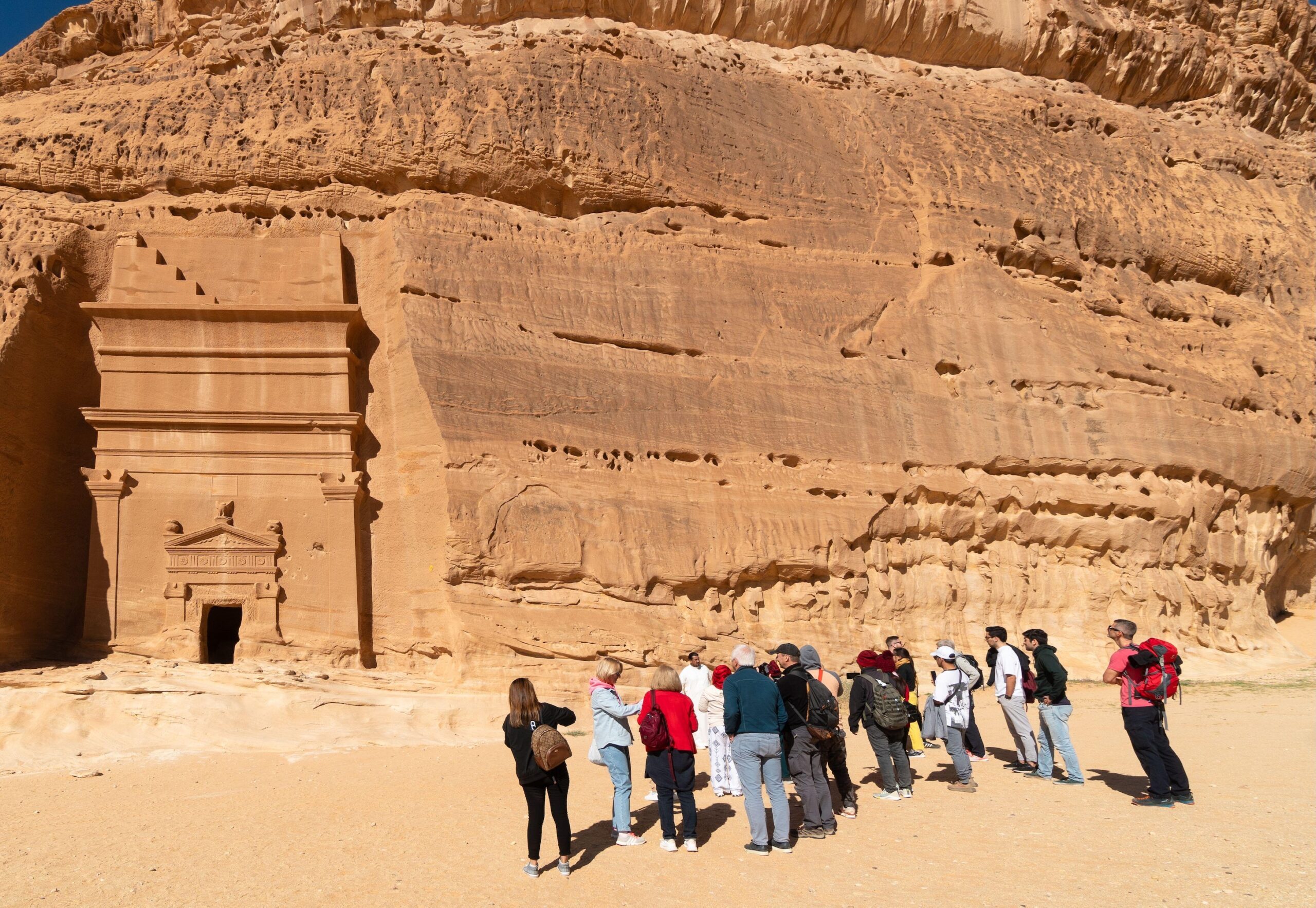
With a population of nearly 35 million, Saudi Arabia is the largest country in the GCC and is seeking to diversify its economy away from oil dependency. Tourism, particularly pilgrimage to Islam’s two holiest sites in Mecca and Medina, is a key priority, with the kingdom welcoming a record 30 million visitors last year.
Under new regulations effective from April 18, visitors can apply for VAT refunds upon departing the kingdom for purchases of select goods and services. Turab Saleem, the Middle East and North Africa head of hospitality, tourism, and leisure at Knight Frank, emphasized that attracting tourists is vital, and pricing must be competitive to maximize benefits from tourism.

Currently, many of Saudi Arabia’s tourism initiatives focus on luxury and high-end markets. In contrast to other regional destinations like Dubai, Saudi Arabia still lacks extensive shopping options to attract tourists. Saleem pointed out that encouraging retail is essential for supporting hospitality and that competitive pricing can significantly enhance overall sales growth driven by tourism.
Leave a Reply