
Saudi Arabia’s Ministry of Environment, Water and Agriculture launched Saudi Environment Week on Sunday, themed “Our Environment is a Treasure.” This week-long event aims to showcase the Kingdom’s efforts in ecosystem protection and sustainable development.
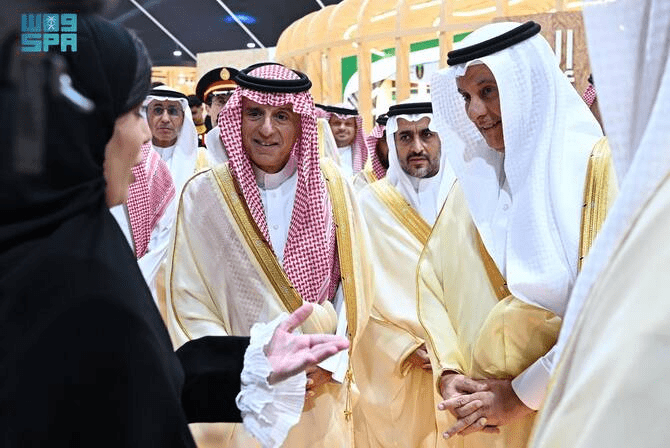
A significant feature of this week is the introduction of the National Environmental Performance Index, designed as a strategic tool to monitor environmental progress and guide policy decisions. The event was inaugurated by Minister Abdulrahman Al-Fadhli in Riyadh and includes participation from government agencies, businesses, nonprofits, and local communities to promote eco-friendly practices.
Minister of State for Foreign Affairs and Climate Envoy Adel Al-Jubeir also attended the event, which features environmental presentations, agreement signings, and children’s performances aimed at encouraging positive environmental behavior. Activities throughout the week include nationwide exhibitions, workshops focused on biodiversity and renewable energy, and forums that highlight green innovations.
The newly introduced index, which Al-Fadhli described as essential for informed decision-making, will track environmental metrics such as air quality, water conservation, and biodiversity. This tool is intended to align national development with ecological priorities, reinforcing Saudi Arabia’s commitment to sustainable growth.
Al-Fadhli emphasized the Kingdom’s leadership in sustainability, prioritizing the protection of natural resources and societal responsibility. He stated that the index ensures accountability and progress as the country works towards building a greener future. The exhibition at the event covers various topics, including vegetation cover, desertification control, biodiversity, waste management, meteorology, and environmental compliance.
Additionally, the ministry stated that the National Environmental Performance Index serves as a nationwide monitoring tool, developed in collaboration with the UN Environment Programme. This tool aims to connect government bodies, environmental organizations, and national centers, ensuring that all efforts are in line with Saudi Arabia’s ecological priorities.
Key objectives of the index include evaluating environmental health, identifying change drivers, and establishing an early detection system for sustainability challenges and progress. By tracking progress towards environmental targets, the ministry noted that the index can reveal gaps requiring urgent action, enabling data-driven policy adjustments.
The first phase of the index focuses on five core areas associated with the National Environment Strategy and Saudi Vision 2030: wildlife conservation, green space expansion, waste management efficiency, pollution levels in air, soil, and water, and accuracy in weather forecasting. The second phase will address emerging priorities, including metrics related to climate change, showcasing their significance in long-term environmental planning.

The ministry highlighted that the index would equip policymakers with actionable insights, driving improvements in ecological resilience, public health, and overall quality of life for Saudi citizens. The National Fisheries Development Center has also participated in the celebrations of Saudi Environment Week.
Riyadh Al-Fageeh, the director general of the center, emphasized that their participation underscores the importance of environmental preservation, raising awareness, and enhancing quality of life goals. He affirmed the Kingdom’s commitment to protecting natural resources and leading regional efforts in sustainability, urging all citizens and residents to actively engage in creating a cleaner, greener future.
Leave a Reply