
Saudi Arabia’s food and beverage service industry is experiencing significant growth, driven by a rising population and an expanding economy. The nation, which has nearly 37 million residents, is seeing its population increase by more than 1.2 million people each year, supported by high birth rates and a growing expatriate workforce.
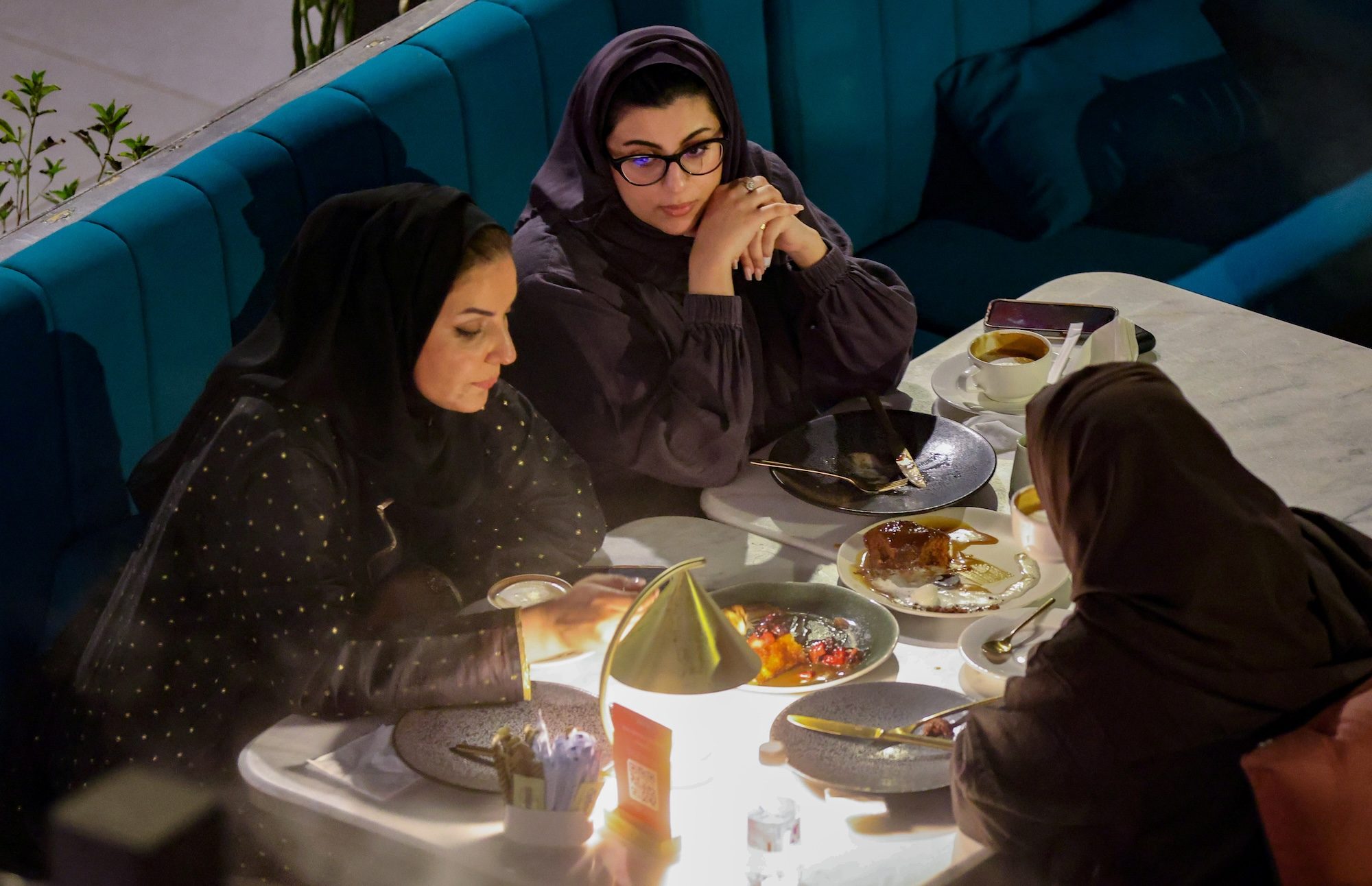
One notable player in this sector is Half Million, a coffee shop chain launched in 2018 in Riyadh, which now operates 59 stores across the kingdom. The chain recently opened its 60th location on London’s Oxford Street. Another competitor, Barn’s, a Jeddah-based coffee chain, has expanded from 130 stores at the time Half Million started to over 550 locations globally, with plans to double that number by 2030.
Tina Blackmon, a food and beverage specialist at consultancy Keane, highlighted the potential in Saudi Arabia’s market, stating, “It’s a growing market, it’s a new market. There’s a lot of opportunities and gaps that can be leveraged.” The increasing number of international visitors also contributes to this growth, with 30 million tourists arriving last year, marking a 9 percent increase. This influx is due to eased visa restrictions and new attractions that encourage local holiday spending rather than trips abroad.
The food and beverage service industry in Saudi Arabia could see an additional $5 billion by 2030, particularly driven by the demand for full-service restaurants, which make up over half of the sector. Blackmon noted that these establishments, described as “sit-down, menus-on-the-table restaurants,” are projected to grow at an annual rate of about 8 percent in the coming years.
Despite this promising growth, the sector faces significant challenges. Mateo Ramos, CEO of Foodvest Holding, pointed out that while there is interest in investing in local brands, “matching the capital with the creator; the methodology for that isn’t really present at this time.” Additionally, conservative banking practices in Saudi Arabia make it difficult for businesses in the food service industry, which is known for high risks and low margins, to secure loans.

Richard Seidel, a development chef and partner in several high-end restaurants, emphasized the high costs associated with opening new establishments. Most equipment and ingredients must be imported, and the recent decline of the Saudi riyal against major currencies could increase these costs further. Furthermore, the government’s Saudisation policy mandates that 40 percent of restaurant staff and 50 percent of café staff must be Saudi nationals, adding to operational expenses. Seidel remarked, “All of this goes into the cost and then you actually need to go and make the money.”
Leave a Reply