
Dubai has made a progress in the IMD Smart City Index, moving up to the fourth position from last year’s 12th place. Abu Dhabi also advanced, now securing the fifth spot after climbing from 10th position. This marks the first time both cities have entered the top five of this prestigious global ranking.
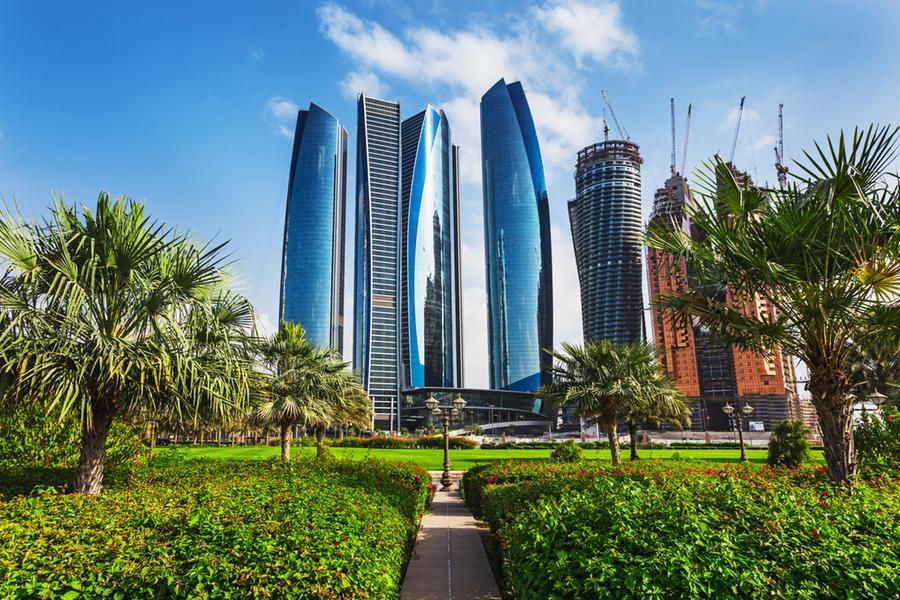
The Smart City Index, compiled by the International Institute for Management Development (IMD), ranks 141 cities worldwide based on their infrastructure and technology. The report assesses how these factors enhance the quality of life for residents. Zurich, Switzerland, retained its top position in the sixth edition of the report, followed by Oslo, Norway in second place, and Geneva, which rose to third from sixth.
According to Zawya, this year’s report highlights that cities like Ankara, Buenos Aires, Cairo, Seattle, and Stockholm have seen a decline in their smartness over the past three years. In contrast, Doha, along with cities such as Riga and Zagreb, has experienced improvements in smartness during the same period, as noted by the IMD.
The IMD report, titled “The Housing Affordability Challenge: A Growing Concern in Smart Cities,” included six new cities this year: AlUla (Saudi Arabia), Astana (Kazakhstan), Caracas (Venezuela), Kuwait City (Kuwait), Manama (Bahrain), and San Juan (Puerto Rico), bringing the total number of assessed cities to 146. The index is based on survey responses from residents across various societal levels.
A critical finding of the report is the increasing challenge of finding affordable housing. The IMD emphasizes that many city dwellers struggle to find housing that costs less than 30% of their average monthly salary. Arturo Bris, Director of the World Competitiveness Center, noted that the economic success of cities often leads to rising living costs, creating a gap between wage growth and housing prices.
This issue of housing affordability is further exacerbated by factors such as gentrification, a lack of affordable housing, and speculative investment patterns. The report indicates that these challenges are more pronounced in urban areas due to growing immigration. The findings illustrate how urban prosperity is not being shared inclusively, impacting the overall quality of life for many residents.

The IMD’s unique approach to evaluating smart cities avoids direct comparisons between cities at different developmental stages, instead rescaling survey responses according to the Global Data Lab’s Subnational Human Development Index (SHDI). The next IMD report, the 2025 World Competitiveness Ranking, is scheduled for release on June 17.
Leave a Reply