
The United Arab Emirates is set to announce its retail fuel prices for July 2025 by June 30, as part of the monthly pricing update. Since the deregulation of fuel prices in 2015, domestic petrol and diesel costs in the UAE have been closely linked to international oil market trends. These monthly revisions are significant for residents as they directly impact commuting costs and household budgets.
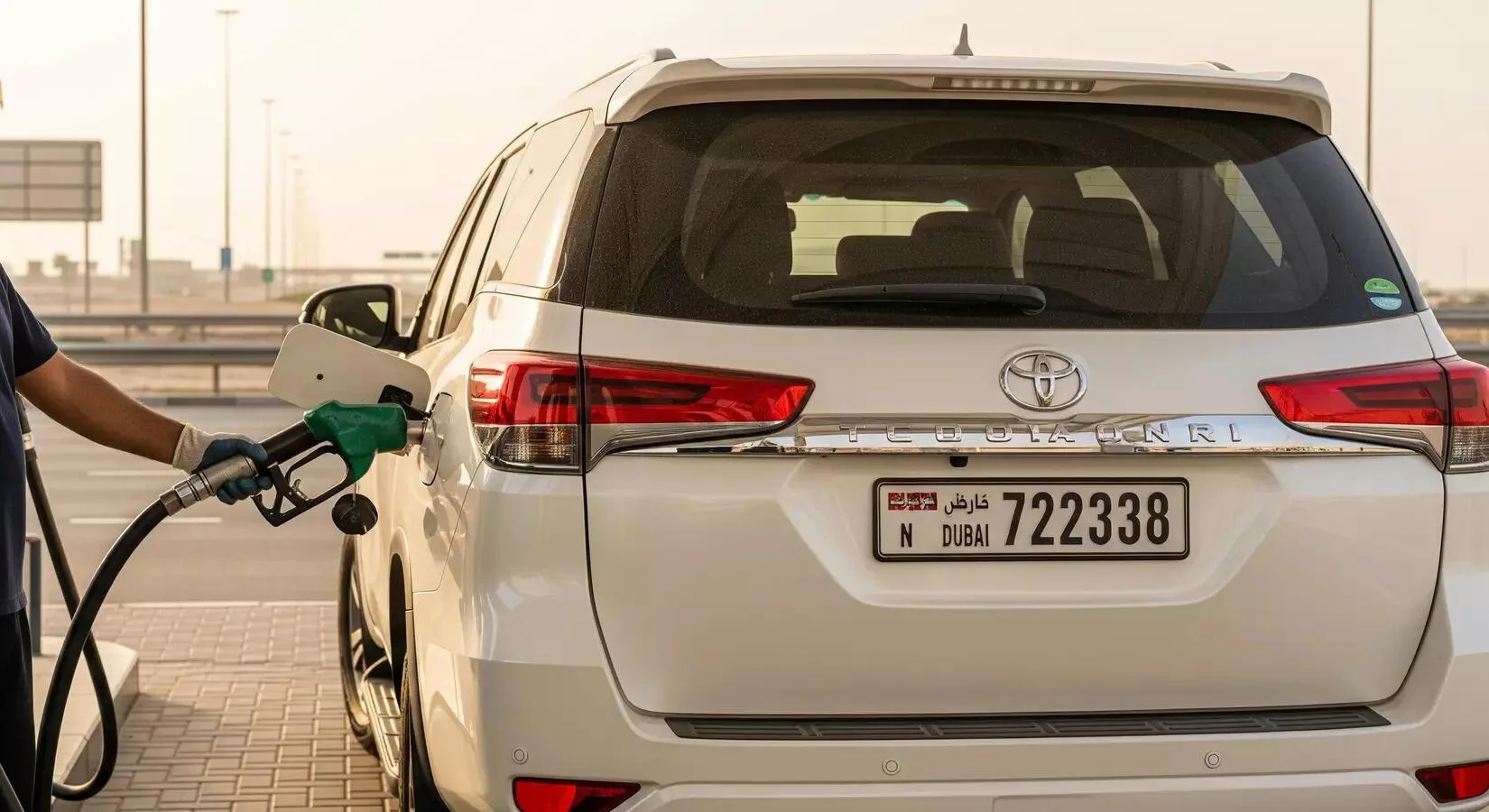
In June 2025, fuel prices remained stable compared to May, with a slight decline in diesel prices. The current fuel prices are as follows: Super 98 petrol is priced at Dh2.58 per litre, Special 95 petrol at Dh2.47 per litre, and E-Plus 91 petrol at Dh2.39 per litre. The highest fuel prices this year were recorded in February, while April saw the lowest prices.
In recent weeks, global oil prices have dropped significantly, raising hopes that UAE fuel prices may also decrease in July. Brent crude, the international benchmark for oil prices, is currently trading near $69 per barrel, reflecting a decline of over 7% just this week. This reduction in prices comes despite a recent escalation in tensions between Israel and Iran, which had temporarily increased oil prices. However, analysts observe that both nations are now de-escalating their conflict, and the vital Strait of Hormuz, a key route for global oil supply, remains open and unaffected.
Tamas Varga, an analyst at PVM Oil Associates, commented that the geopolitical risk premium that had built up due to the conflict has completely disappeared. Analysts indicate that the market is shifting its focus from geopolitical tensions to fundamental factors such as supply and demand. There is a growing expectation of an oil surplus in the latter half of 2025, driven by decreasing global demand and rising production numbers.
OPEC+, the oil-producing alliance that includes the UAE and Saudi Arabia, is scheduled to meet on July 6. Robert Rennie of Westpac noted that the group might agree to increase production by an additional 400 000 barrels per day starting in August. He stated, “As global production rises and demand wanes, we will see prices probing the $60–$65 range.” Such developments may further contribute to the downward pressure on global oil prices.
If the trend in global oil prices continues, UAE motorists may benefit from lower fuel prices in July. While local petrol rates also reflect refining and distribution costs, the pricing system in the UAE remains closely tied to movements in Brent crude prices. Nonetheless, potential changes at the pump could still be influenced by the outcomes of the upcoming OPEC+ meeting, the stability of the Israel-Iran situation, and broader global economic demand trends.

The official fuel prices for July will be announced by Emarat, the UAE’s federal petroleum company, on the last day of June. In the meantime, residents are encouraged to stay informed as international developments continue to shape the outlook for local fuel costs.
Leave a Reply