
The Middle East is set to experience a significant 25% growth in social infrastructure project activity over the next two years, according to a report by Ansarada, a prominent procurement platform. This surge is driven by population growth and an increased focus on enhancing quality of life, prompting governments across the region to boost investments in social infrastructure projects.
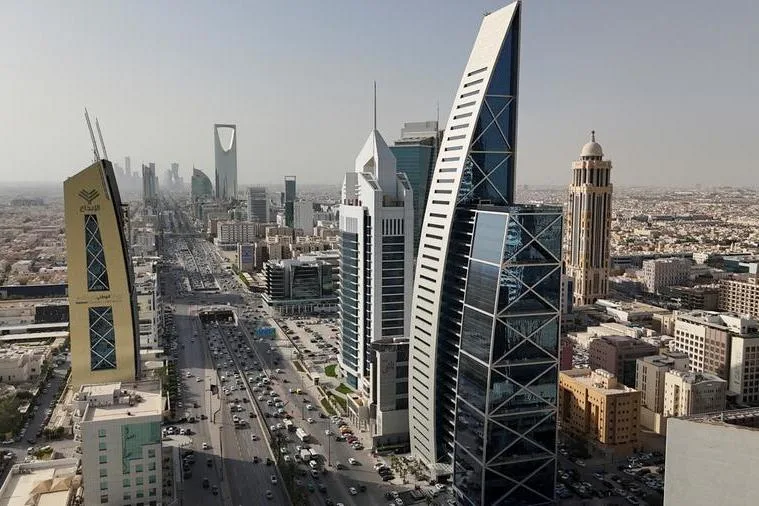
In 2024, the total value of social infrastructure transactions in the Middle East is projected to reach $1.6 billion, with expectations to increase to $2 billion by 2027, as stated in Ansarada’s report. The document, titled the Ansarada Social Infrastructure Outlook 2025, highlights critical themes such as procurement efficiency, risk allocation, and the transition towards digital workflows, offering valuable insights into current procurement trends.
Nearly half (46%) of stakeholders in the Europe, Middle East, and Africa (EMEA) region identified population growth and improved quality of life as key factors driving their investments. The Kingdom of Saudi Arabia (KSA) is making significant strides in enhancing its social infrastructure as part of its Vision 2030 strategy, which includes various large-scale projects and innovative public-private partnerships (PPPs) scheduled for 2025.
This investment surge aims to fortify the non-oil sector of Saudi Arabia and attract international investors. To achieve these objectives, authorities are increasingly adopting PPP models to expedite project delivery, manage risks, and bring in expertise from the private sector across healthcare, education, and housing sectors.
Justin Smith, the Managing Director of Ansarada, remarked that “Saudi Arabia is playing an increasingly important role in infrastructure capital deployment across the Middle East.” He noted that the Kingdom’s strategic approach to large-scale project delivery, supported by the development of PPP frameworks and digital procurement initiatives, is positioning it as a significant hub for infrastructure investment in the region.
Healthcare is emerging as the top priority for EMEA investments, with 68% of respondents anticipating the greatest increase in this sector over the next two years. This is followed by leisure at 56% and education at 52%. This trend underscores the growing emphasis on community well-being and social resilience, particularly given the pressing need for impactful project delivery in markets like Saudi Arabia.
As businesses prioritize environmental, social, and governance (ESG) considerations, 61% of EMEA participants have deemed ESG essential for infrastructure investments. Global investors are increasingly focusing on projects that adhere to stringent sustainability standards, emphasizing energy-efficient designs and community engagement. This shift is transforming how infrastructure projects are assessed and executed, according to the Ansarada report.

Saudi Arabia’s rapid advancement in social infrastructure is bolstered by government initiatives, private sector expansion, and a robust PPP framework. Strengthened ties between the US and Saudi Arabia have catalyzed significant investments and technology transfers, further accelerating the Vision 2030 agenda aimed at enhancing the quality of life and establishing the Kingdom as a leader in regional infrastructure and development.
Leave a Reply