
Saudi Arabia-based utility developer ACWA Power is making significant strides in Uzbekistan’s green energy market. Since its initial investment in 2020, which included a 1 500-MW plant in the historic Silk Road city of Bukhara, the company has committed over $15 billion towards various projects across the country. ACWA Power plans to invest an additional $5-6 billion in the short term, aiming to bring its total investment to $25 billion by the end of the decade.
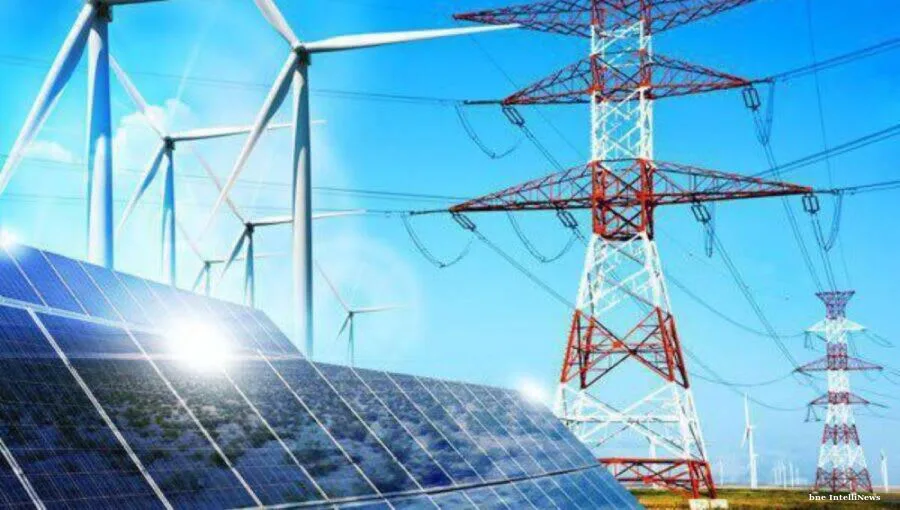
The Uzbek government has been proactive in promoting renewable energy, particularly after engaging with the UAE’s green energy leader, Masdar, which has also invested billions into the sector. ACWA Power has quickly established a strong presence, building power plants in Tashkent, Bukhara, and Samarkand, and is currently constructing a new facility in Karakalpakstan. This region has been designated a “green energy zone” to foster development, and ACWA has signed agreements for gas-fired power projects to bolster its influence in Central Asia.
In August 2023, President Shavkat Mirziyoyev signed a decree prioritizing renewable energy development in Karakalpakstan, with a focus on solar and wind power. This initiative includes offering tax incentives, customs exemptions, and streamlined regulations to attract both domestic and international investors. ACWA Power and Masdar have initiated substantial solar and wind projects in this area.
Uzbekistan has made a remarkable shift toward renewable energy sources, now aiming for 40% of its energy mix to come from clean sources by 2030, up from an initial target of 25%. This change reflects a broader trend among emerging markets, where falling prices have made renewables the most cost-effective energy source, free from transport and geopolitical issues.
During a trip to Saudi Arabia in June, President Mirziyoyev signed further agreements with ACWA Power for new renewable and gas-fired energy projects. These agreements include the development of two solar power plants with a total capacity of 1 400 MW, along with 1,500 MW of battery energy storage systems. Additionally, ACWA will construct a 1 500-MW combined-cycle gas turbine plant in the Tashkent region to support industrial growth.
These initiatives are expected to increase ACWA Power’s total capacity in Uzbekistan to over 8 000 MW. The government has facilitated foreign investment through regulatory reforms and public-private partnerships, with backing from institutions like the World Bank and the Asian Development Bank.
Energy Minister Jurabek Mirzamakhmudov said that ACWA Power’s projects are crucial for achieving national energy targets, stating, “These investments are not only about energy security, but also about technology transfer, job creation and long-term strategic partnership.”
Construction for the solar and gas projects is expected to begin in early 2026, with operations slated to commence by 2028. To incentivize investors, the government is offering guaranteed tariffs on a “take and pay” basis for 25 years, ensuring that costs are only incurred for energy actually used.
Malik, an ACWA representative, noted that the cost of green energy is cheaper than gas, making it profitable for investors. He explained that the government benefits from this arrangement, as they only pay for energy generated when conditions are favorable.
ACWA Power has also started incorporating battery storage into its projects to enhance grid synchronization and production stability. Malik highlighted that the company has installed battery storage systems capable of supplying power for two hours during fluctuations.
As the demand for battery storage has increased, ACWA has integrated these systems into its recent projects, including those in Samarkand and Karakalpakstan. The cost of battery storage has significantly decreased, making these investments more feasible.
In a long-term commitment, ACWA Power is investing in local production for various project components. For instance, it is manufacturing wind turbine towers and blades in Karakalpakstan for a new 1 000-MW plant.

Despite these advancements, challenges remain, particularly related to the transmission of electricity from remote generation sites. Malik pointed out that historically, power plants were built near demand centers, but the optimal locations for renewable energy generation are often distant from urban areas. The key challenge now lies in developing the transmission infrastructure to deliver power where it is needed.
Leave a Reply