
A significant trend has emerged as hedge fund firms increasingly relocate their operations to Dubai and Abu Dhabi. This movement is largely driven by the desire to retain top talent in the face of escalating regional conflicts. For instance, Danny Yong, a veteran hedge fund manager at Dymon Asia Capital, recently lost a potential hire to a competing firm in Dubai. In response, Yong’s firm opened an office in Dubai in October 2023, with plans to expand to accommodate 10 portfolio managers by the end of the year.
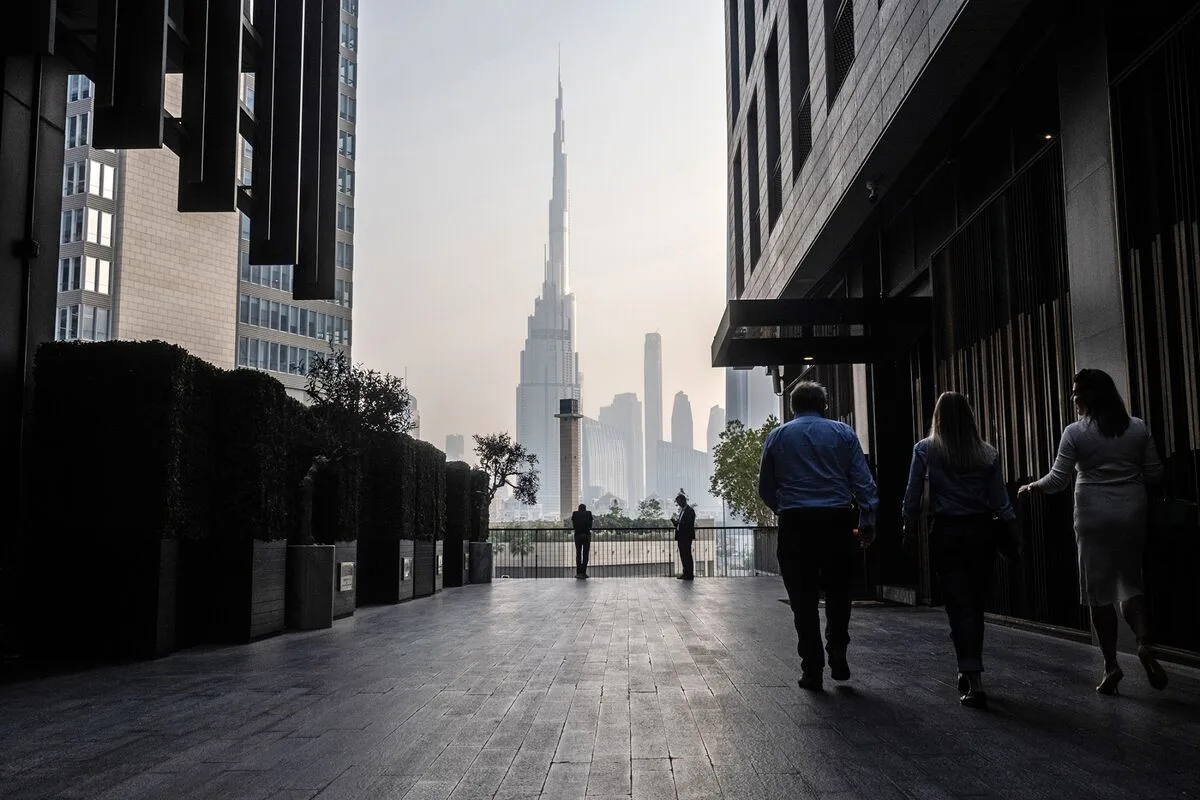
The shift of hedge funds to the UAE highlights the challenges faced by traditional financial hubs like Singapore. While the UAE’s sovereign funds and wealthy families control more than $3 trillion, it is the need to satisfy star traders that has become a primary motivator for this trend. Despite the ongoing conflicts in the Middle East, experts believe that the UAE is now viewed separately from the broader instability of the region. Rahnpreet Sandhu, a headhunter at Durlston Partners, noted that while there is some concern about risks, they do not significantly affect the decision-making of major investors and funds.
Hedge funds are attracted to the UAE for several reasons, including zero personal income tax, a favorable time zone for global trading, and an affluent lifestyle. Many traders have expressed a desire to relocate, even amidst regional tensions. London has seen the most significant job losses to the UAE, with Indian nationals making up a large portion of the workforce in Dubai’s financial center. Diego Megia, founder of Taula Capital Management, emphasized that Dubai has become a critical office for attracting talent, and those who cannot offer a presence there are at a disadvantage.
However, not all experts agree that the UAE is essential for the hedge fund industry. Ken Griffin of Citadel has expressed concerns about the effectiveness of low-tax hubs without full team participation, while Francesco Filia of Fasanara Capital warned that many firms might be disappointed in their attempts to capitalize on the UAE’s wealth. Despite these differing opinions, the movement of hedge funds to the UAE continues unabated, with firms like Millennium Management and Point72 Asset Management opening offices in Dubai due to staff demand.
The UAE’s growing reputation as a hub for hedge funds is further evidenced by the flourishing community of industry professionals participating in networking events. The Dubai International Financial Centre (DIFC) and Abu Dhabi Global Market (ADGM) are actively seeking to attract more asset managers. What began as a small influx during the pandemic has turned into a significant talent migration, with Dubai now hosting more than 75 hedge funds, up from about 10 a decade ago.
This growth is not without challenges. The UAE lacks a deep history of trading and has limited homegrown hedge fund startups. Many firms primarily use Dubai and Abu Dhabi as trading hubs rather than actively investing in the local market. Paul Marshall, who manages a hedge fund with around $70 billion in assets, criticized the higher tax rates in the UK compared to the zero tax in Abu Dhabi, highlighting the financial incentives driving relocation.
The UAE has also made efforts to improve its appeal by offering “golden” visas, which allow wealthy individuals to reside without needing a local business partner. However, while the influx of hedge funds may benefit sectors like real estate and hospitality, the long-term sustainability of this trend remains uncertain. Arvind Ramamurthy, chief of market development at ADGM, pointed out that the intellectual capital represented by these firms holds significant value, even if local investment opportunities are limited.

Despite the risks associated with regional instability, the current climate appears favorable for hedge funds in the UAE, at least in the short term. As Salmaan Jaffery from DIFC Authority noted, many relocations that began as temporary stays have turned into permanent moves. The enduring question is how this influx will impact the local economy and the hedge fund industry in the coming years.
Leave a Reply