
Mariam Almheiri, the head of International Affairs at the UAE Presidential Court, stated that the UAE can make artificial intelligence (AI) as significant as the internet through its partnerships, regulatory framework, and energy infrastructure. She expressed these views during a panel discussion at the Atlantic Council Global Energy Forum in Washington on Tuesday.
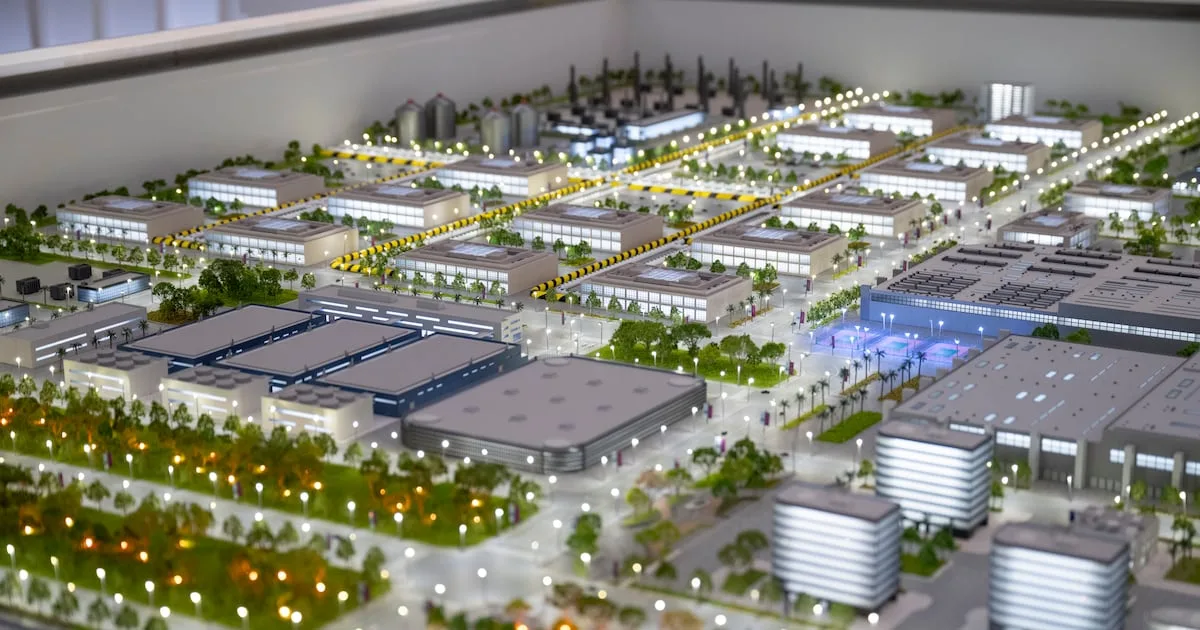
According to Almheiri, the recent visit by President Donald Trump to the UAE, which included the announcement of an AI cluster, is a pivotal step. She noted that this cluster could utilize up to 5 gigawatts of optimized power for AI data centers. The first phase of this AI cluster is expected to be operational by 2026, with the UAE possessing ample energy resources to support it and other AI facilities.
She emphasized the need for a transformation in energy to support the advancements in AI. Among the significant projects initiated by the UAE are the 1.2 gigawatt Noor Abu Dhabi solar power plant, the Mohammed bin Rashid Al Maktoum Solar Park, and the 5.6 gigawatt Barakah nuclear power plant. Mohamed Al Hammadi, the chief executive of Emirates Nuclear Energy Company, highlighted that the Barakah plant currently supplies one-quarter of the UAE’s electricity, marking a significant energy transition over the past five years.
As the second-largest economy in the Arab world, the UAE has openly pursued becoming a leader in AI, seeking to diversify away from oil dependency. The country has made considerable progress, leading to the establishment of startups and securing partnerships and investments from major industry players such as Microsoft, Nvidia, and OpenAI.
Almheiri remarked that the UAE has “built the bridges” necessary for its energy transformation, emphasizing the importance of partnerships to achieve the goal of making AI a strategic utility akin to the internet. In addition, major investments between the US and UAE were announced during Trump’s visit, including the planned 5GW UAE-US AI Campus in Abu Dhabi. The US Commerce Department noted that this campus would accommodate both large and small companies, allowing them to utilize regional computing capacity to serve the Global South.
Leave a Reply