
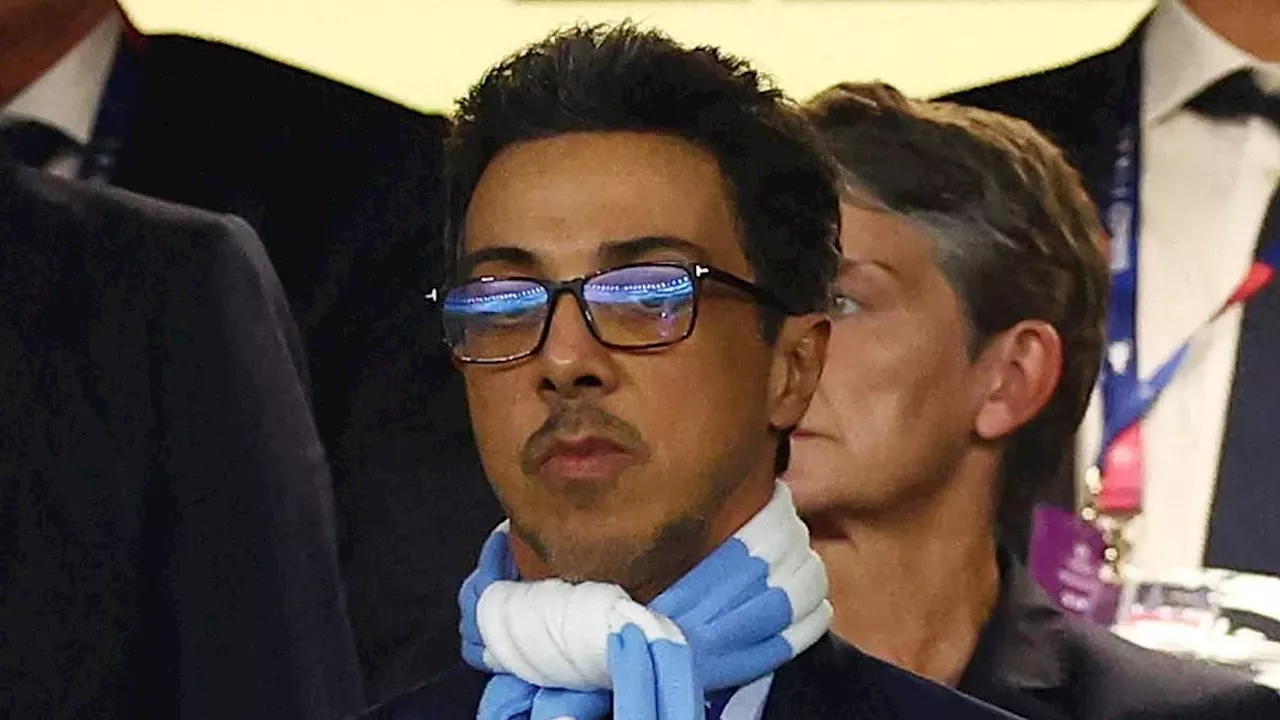
In a recent revelation, it has come to light that the Abu Dhabi United Group (ADUG) has secured preferential land rights in Manchester through a decade-old agreement with the Manchester City Council. This development has incited controversy, particularly against the backdrop of ongoing scrutiny regarding the UAE’s human rights practices and recent sanctions imposed by the Premier League on Manchester City.
The agreement in question allows the ADUG, which acquired Manchester City Football Club in 2008, significant advantages in accessing land in Manchester. Such deals are not uncommon in the realm of international investments, especially for sovereign wealth funds or large corporate entities looking to expand their influence and operations in key markets. However, the timing of this revelation raises questions about the implications for other investors and local businesses.
In the context of the Gulf region, the acquisition and development of properties by Emirati entities is not unusual; however, it often draws criticism due to the UAE’s human rights record. This deal further intensifies the scrutiny on both the Emirati government and Manchester City, as they navigate public opinion and legal boundaries in their respective domains.
The significance of this agreement extends beyond just land access; it reflects a broader trend of Middle Eastern investments in Western sports and entertainment sectors. With Abu Dhabi’s aggressive strategy to position itself as a global sports hub, this deal complements the city’s vision of using sports as a catalyst for economic development. Comparatively, other regions, like Qatar with its FIFA World Cup investments, underscore the competitive drive among Gulf states to cement their legacy on the global stage.
For investors, the implications are dual-edged. On one side, the deal represents a potential boon for economic activity, infrastructure development, and job creation in Manchester. On the other, investors may need to consider the reputational risk associated with doing business with entities tied to governments facing international criticism. This dynamic could lead to hesitation among potential partners wary of backlash.
Looking ahead, the future of this agreement and its ramifications for both the UAE and Manchester City remains uncertain. As global discourse on ethical investments and human rights continues to evolve, how Manchester City navigates this controversy could significantly impact its brand and operational strategies. Furthermore, if the Premier League imposes more stringent regulations or penalties, both ADUG and local businesses could find themselves embroiled in a challenging environment.
Leave a Reply