
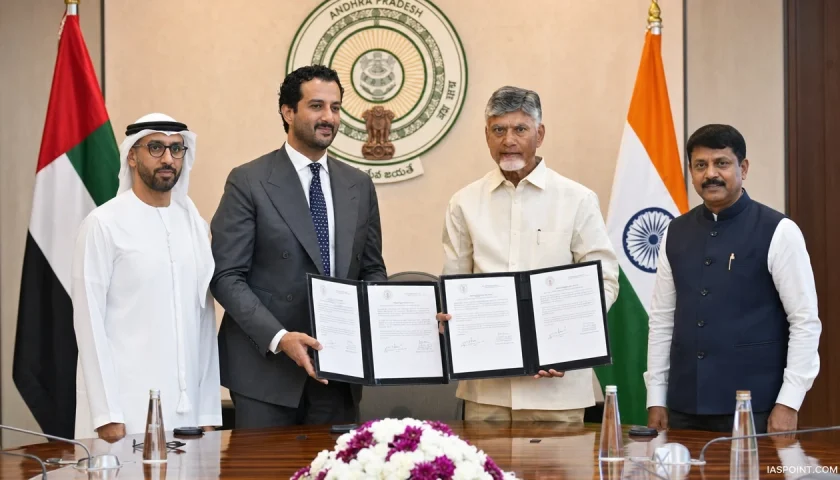
The recent Memorandum of Understanding (MoU) aimed at enhancing the food cluster in the UAE marks a significant step toward improving the food processing landscape in Andhra Pradesh, India. This partnership includes the establishment of a US$1.2 million plant in Gujarat, which will serve as a crucial element in developing a comprehensive food processing and packaging hub in the region.
One of the primary goals of this initiative is to strengthen the cold-chain logistics and packaging aspects of food export. Exporters often encounter challenges related to product shelf life and presentation, which can hinder their competitiveness in international markets. By focusing on these critical areas, the partnership aims to optimize logistics and enhance the quality of food products reaching global consumers.
This collaboration is particularly significant as it addresses some of the longstanding issues faced by food exporters in both the UAE and India. The cold-chain segment of the food industry is essential, especially for perishable goods. The establishment of advanced packaging solutions is expected to mitigate risks associated with deterioration during transportation, thereby extending shelf lives and improving marketability.
As the UAE seeks to diversify its economy, investments in agricultural technology and food processing are gaining prominence. The partnership not only strengthens trade ties between the UAE and India but also aligns with the UAE’s vision to become a global hub for food security. Furthermore, Andhra Pradesh’s strategic location offers a gateway to numerous international markets, making it an attractive proposition for investors.
Comparatively, other regional players have also been focusing on enhancing their food processing capabilities. Countries like Saudi Arabia and Oman are investing heavily in similar initiatives, aiming to boost their agricultural sectors and strengthen food security. The UAE’s investment in Andhra Pradesh can be seen as a strategic move that might spur competition among these countries, promoting an overall increase in food processing efficiencies across the Gulf region.
Looking ahead, this partnership not only opens avenues for increased trade but also has the potential to attract foreign investments into the food sector in India. Investors are likely to view the development of such food clusters as a lucrative opportunity to benefit from the rising consumer demand for quality processed foods. This could lead to further innovations in the sector, ultimately contributing to the economic growth of both regions involved.
Leave a Reply