
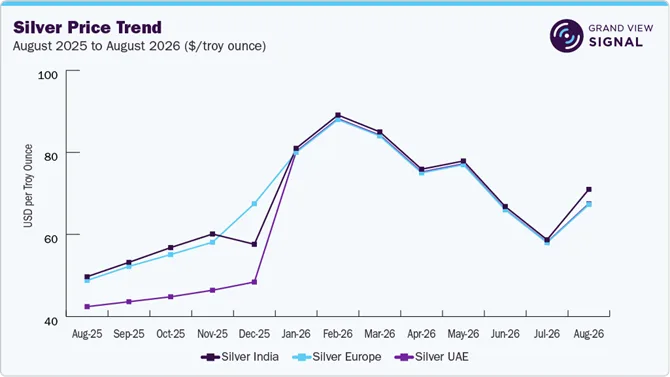
The non-ferrous metals market has shown notable variations in pricing, particularly during August 2026, influenced by factors such as physical availability and uncertain trade policies. These fluctuations highlight the intricate dynamics of supply and demand that characterize this sector.
Copper, zinc, aluminum, and lithium, essential components in various industries, have demonstrated differentiated pricing trends. For instance, copper prices generally trended upward, attributed to increasing demand from sectors like renewable energy and electric vehicles. As the market pivots toward sustainability, copper’s role in new technologies has solidified its importance, leading to a tightening supply scenario.
On the contrary, zinc exhibited a more complex behavior, influenced by global infrastructural development rates. In regions such as Southeast Asia, robust construction activity has bolstered zinc demand, contrasting starkly with other markets experiencing a slowdown. This divergence may create strategic opportunities for investors focusing on regional growth trends.
Aluminum has similarly navigated through distinct challenges and opportunities. The metal’s pricing has been impacted by environmental regulations and production costs. Ongoing initiatives in the UAE aimed at enhancing aluminum production sustainability reflect a larger industry trend. As manufacturers adapt to these demands, the UAE’s aluminum sector could see a competitive advantage in emerging green initiatives, making it a focal point for investor interest.
Lithium, meanwhile, remains at the forefront of the non-ferrous metals conversation due to its critical role in battery technology. As electric vehicle production ramps up, the demand for lithium shows no signs of waning. As companies in the Gulf region explore lithium resources, strategic partnerships for extraction and processing could position them as key players in the global supply chain.
Overall, the non-ferrous metals market presents a complex yet promising landscape for investors and businesses. The ongoing developments in trade policy, sustainability initiatives, and technological advancements will likely continue to shape the market dynamics. Stakeholders are urged to remain vigilant about these trends as they prepare to seize emerging opportunities within the sector.
Leave a Reply