
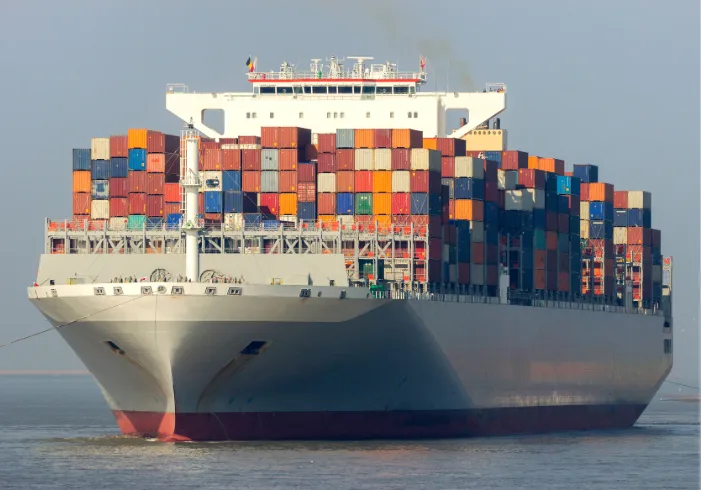
Recent analyses indicate that banks are experiencing a robust increase in demand for trade finance, mainly driven by the ongoing recovery in global trade dynamics. While European and Singaporean banks report substantial growth in trade lending volumes, the Middle East is displaying signs of a slowdown partly due to recent disruptions affecting shipping and supply chains.
According to a review conducted by Global Trade Review, the strengthening of trade finance can be attributed to revitalizing economic activities post-pandemic and an upswing in international commerce. However, in the Gulf region, varying factors, including geopolitical tensions and logistical challenges, are starting to exert pressure on trade activities, potentially limiting the growth trajectory observed in other markets.
In contrast, banks in Europe and Singapore have seen significant increases in their trade loan portfolios during the first half of the year, reflecting a continuation of the upward trend established in 2022. This divergence highlights the resilience of trade finance in regions less impacted by supply chain disruptions compared to the Middle East, where reliance on global shipping routes may be complicating matters.
For stakeholders and businesses operating in the UAE and across the Gulf Cooperation Council (GCC), these developments suggest a critical moment for strategic planning. The demand for trade finance is expected to remain robust in regions with fewer interruptions, which may provide opportunities for UAE banks to adapt and innovate their financing offerings to attract clients seeking support amidst challenges.
Investors looking at the trade finance landscape in the Gulf must remain vigilant, as the fluctuations in demand can signify both risks and lucrative prospects. As trade disruptions potentially linger, banks may need to implement more flexible lending practices to mitigate the impact on their portfolios, creating a competitive edge in securing client relationships.
As the situation evolves, the outlook for trade finance in the Middle East emphasizes the need for continuous monitoring of global trade patterns, especially given the interconnectedness of economies. With banks poised to adapt to changing market conditions, stakeholders should be prepared for both challenges and opportunities that may arise in the coming months, thus ensuring they remain resilient in a fluctuating economic environment.
Leave a Reply