
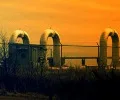
The geopolitical landscape surrounding oil exports from the Middle East is shifting as countries in the region explore alternative strategies to mitigate risks associated with the Strait of Hormuz. Anas F Alhajji, a recognized expert in the field, suggests that oil-producing nations like Saudi Arabia and the UAE are increasingly investing in export pipelines, foreign storage facilities, and international energy assets.
The Strait of Hormuz, a critical chokepoint for global oil transportation, has long been a focal point of geopolitical tensions. Approximately a fifth of the world’s oil supply passes through this narrow passage, underscoring its strategic importance. However, concerns over regional instability and the potential for disruptions have prompted Gulf producers to seek more reliable export routes and storage solutions.
By investing in alternative pipelines, these countries aim to establish direct connections to global markets, thereby reducing their reliance on maritime routes. Recent discussions highlighted by Alhajji emphasize how this strategic pivot could lead to enhanced energy security for Gulf oil producers, ensuring that they can maintain a steady flow of exports even in times of conflict.
Notably, Saudi Arabia has initiated plans for new pipeline projects that would open alternate routes to the Red Sea and beyond. Similarly, the UAE is working on expanding its global storage capacity, allowing for greater flexibility in oil distribution. This shift not only lowers dependency on a singular transport artery but also boosts the resilience of their energy sectors. These initiatives resonate strongly in the context of increasing global demand for energy amid rising consumption rates in emerging markets.
Comparatively, other major oil-producing regions like the United States and Russia have already established networks that lessen their vulnerabilities. The United States, for instance, has diversified its export paths extensively in recent years, thus reducing the impact of potential disruptions in specific regions. By analyzing these models, Gulf producers can further refine their strategies to ensure longevity and stability in a volatile marketplace.
For investors and businesses operating in the energy sector, these developments could herald new opportunities and challenges alike. While the diversification of export routes may enhance market stability, it also introduces complexities related to investment in infrastructure and geopolitical assessments. Forward-looking companies must remain agile and informed about these shifting dynamics to capitalize on potential growth in the region.
In conclusion, as Middle Eastern oil producers actively pursue alternative pipelines, overseas storage, and diverse energy assets, the landscape of global energy markets is poised for transformation. The commitment to reducing reliance on the Strait of Hormuz could not only enhance security for Gulf exporters but also create a ripple effect across international energy trade, promising a more robust economic future.
Leave a Reply